A future we can still shape

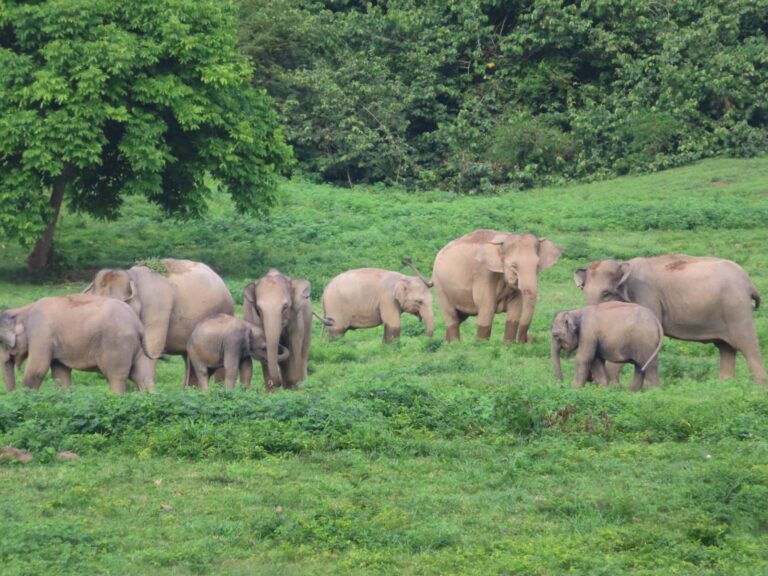
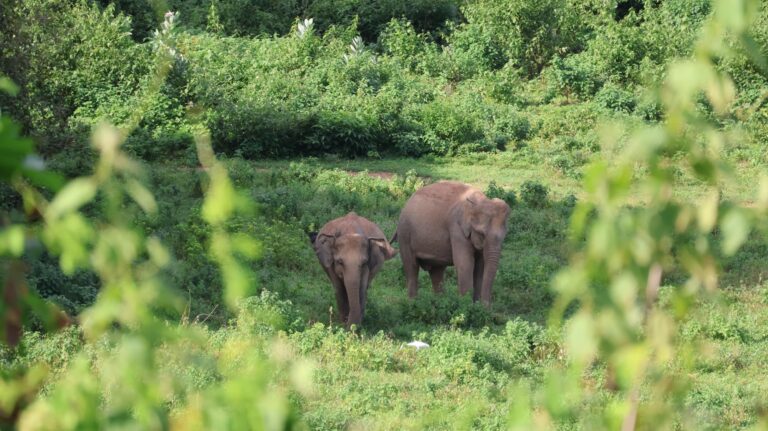
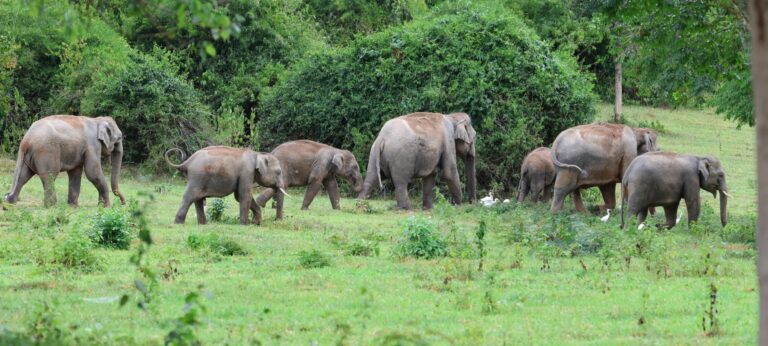
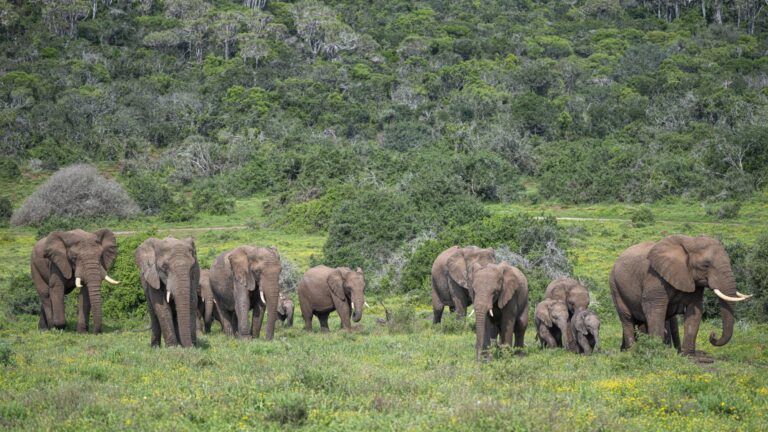
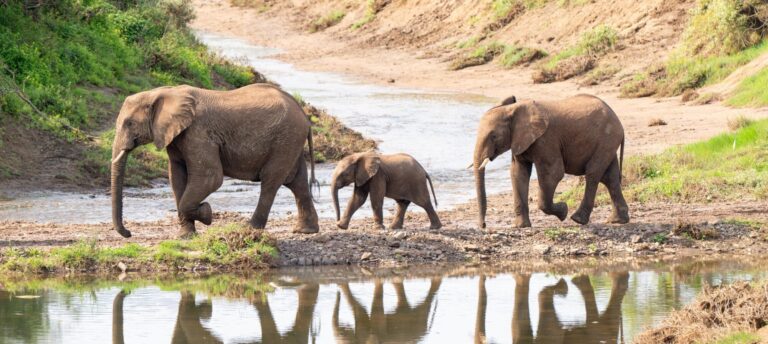
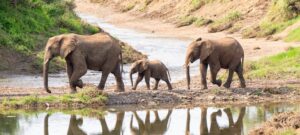
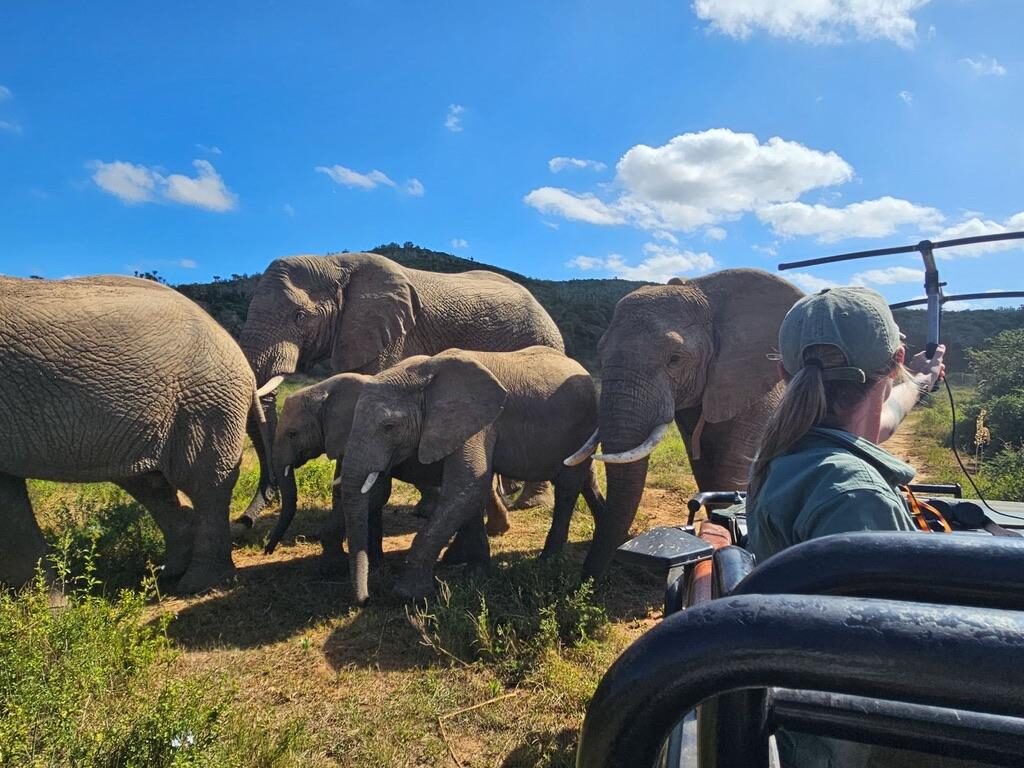
Elephants are more than a species to protect. They are part of living landscapes, deep ecological relationships, and the shared future of people and nature. Bring The Elephant Home is dedicated to the well-being and survival of African and Asian elephants, and to a world where people, elephants, and ecosystems can thrive together.

Since our founding in 2004, we have worked with communities living alongside elephants to create practical, evidence-based solutions for coexistence. Our approach is rooted in shared decision-making, local knowledge, scientific research, and a deep respect for the connections that sustain life. Through range expansion, habitat restoration, elephant-friendly livelihoods, and regenerative coexistence solutions, we help build resilient landscapes that benefit communities, elephants, and the natural world they share.

Protecting elephants protects life

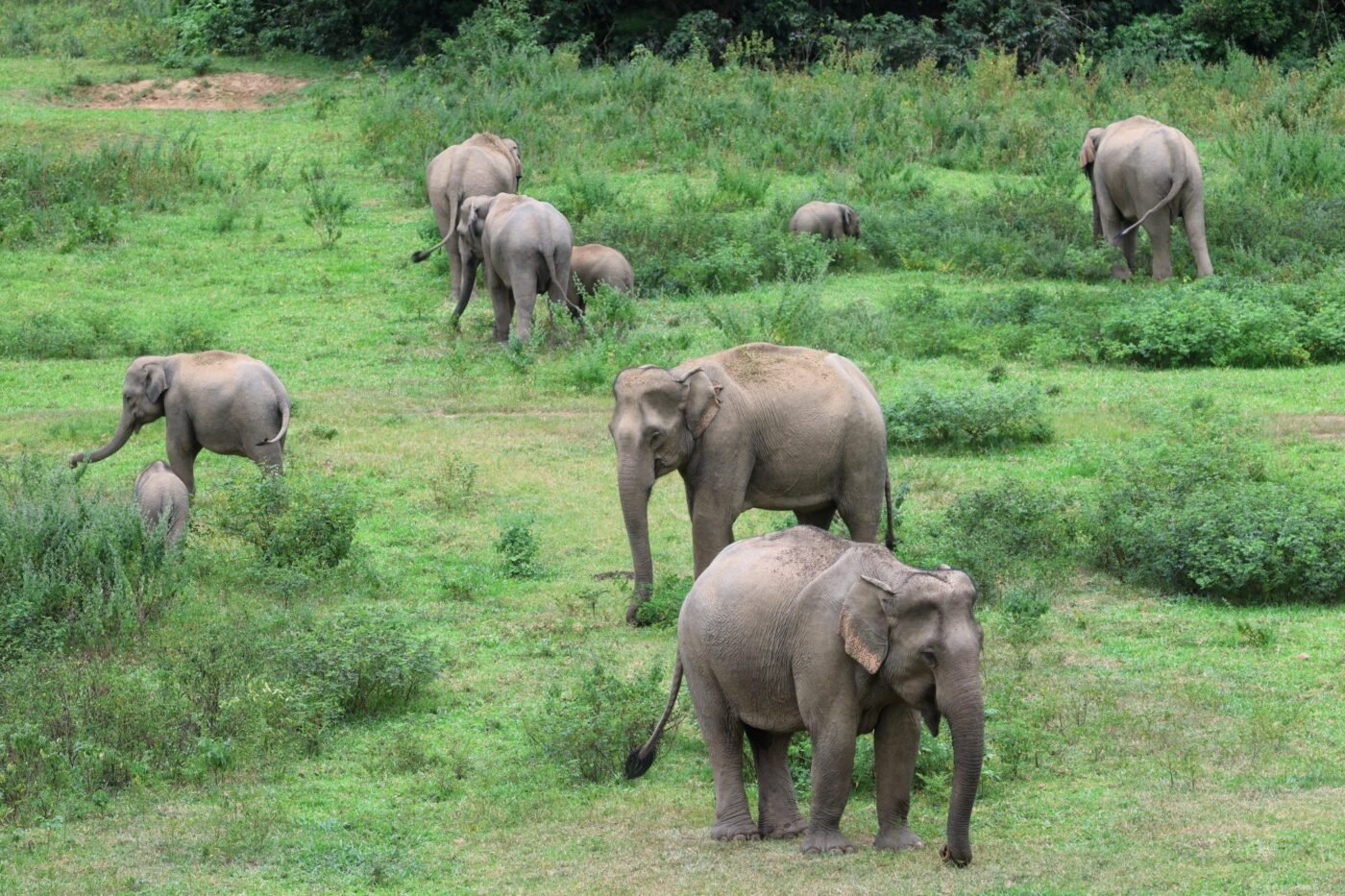
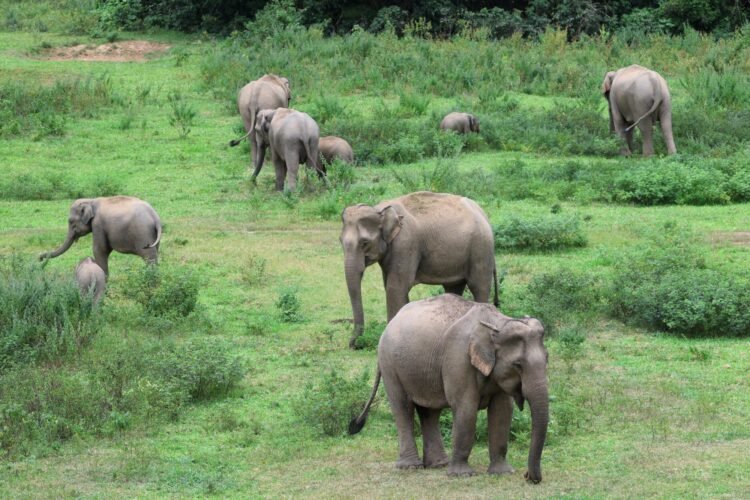
Elephants shape the ecosystems they are part of. They disperse seeds, maintain grasslands, create pathways, and help find water, supporting many other species and the wider web of life. Their value also reaches beyond ecology. As intelligent, social, and sentient beings, elephants inspire wonder, care, cultural meaning, and moral responsibility. They also support conservation economies through tourism and nature-based livelihoods, while reminding us that healthy elephant landscapes need space, connection, and thoughtful land-use planning.

At Bring The Elephant Home, we protect elephants in the wild by restoring their habitat, strengthening coexistence, and supporting the communities living alongside them. By protecting elephants, we help safeguard the relationships, livelihoods, and living landscapes that enable people and nature to thrive together.

Read our full mission here.
Join us!

We welcome partners, volunteers, donors, and sponsors who want to support our work in Asia and Africa. Please consider making a donation for our activities in Asia or Africa, or following our latest news to stay involved.

Meet the team

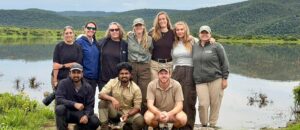
Bring The Elephant Home is active across three continents, with registered organisations supporting our work in Europe, Asia, and Africa. Our team works with communities, researchers, conservation partners, and supporters to turn coexistence into practical action.

There is still much to do, and your support is always welcome. For more information, contact: support@bteh.org.

Latest news

Today is World Elephant Day: Help Us Reach the Finish Line!

Read more

What Happens when Elephants are Given more Space?

Read more

BTEH Lab Experiences

Read more

Newest video

Visit our Instagram

  • Celebrate World Elephant Day by helping us reach the finish line!  Today is World Elephant Day, and there's never been a better time to help create a safer future for elephants.  Our wildlife camera sponsorship campaign has yet to achieve its €5,000 goal, and our Zooniverse community science project needs more volunteers to help analyze wildife camera images.  Whether you donate, volunteer, or share this post, your support helps protect elephants and the communities that live alongside them.  Link in bio to donate and participate!  #WorldElephantDay #BringTheElephantHome #CommunityScience #Zooniverse #WildlifeConservation
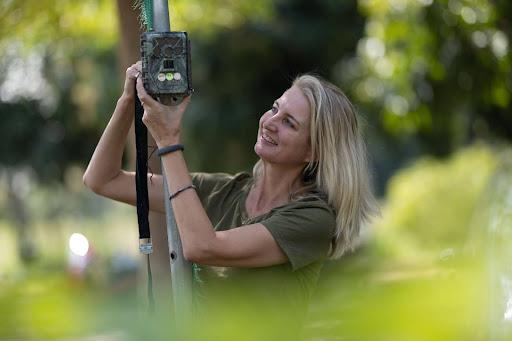
  • 🐘 Healthy elephants help create healthy ecosystems.  Our wildlife cameras do more than capture incredible moments. They help us monitor elephant movement, behaviour, and body condition in Kuiburi National Park.  Now you can help too.  Through our Body Condition Scoring Project on Zooniverse, community scientists help analyse wildlife camera images and identify elephants that may need closer monitoring. Every image you classify contributes to real conservation research.  📋 Want to join? Complete the form and follow the tutorial to start classifying.
📷 Short on time? You can still make a difference by sponsoring a wildlife camera and helping us reach our €5,000 fundraising goal.  Both links are in our bio. 💚  #AsianElephants #ElephantConservation #CitizenScience #Zooniverse #WildlifeMonitoring #KuiBuri #BringTheElephantHome
  • How do elephant calves change as they grow? 🐘  In our latest blog, Stephanie Enzinna, a BSc student at the University of Florida, shares her work with The BTEH Lab.  Stephanie first visited Bring The Elephant Home’s field station last summer through a research program with the @thesfs. Since then, she has continued collaborating with us remotely, completing a fascinating project on calf age structures and changes in behaviour and morphology as elephant calves develop.  Read Stephanie’s blog to learn more about her work — and complete the registration form on our website if you’re interested in a remote internship opportunity with The BTEH Lab.  Link in our bio!
  • 🛠️ The renovation of the Community Resilience Hub in Ruam Thai Village has started!
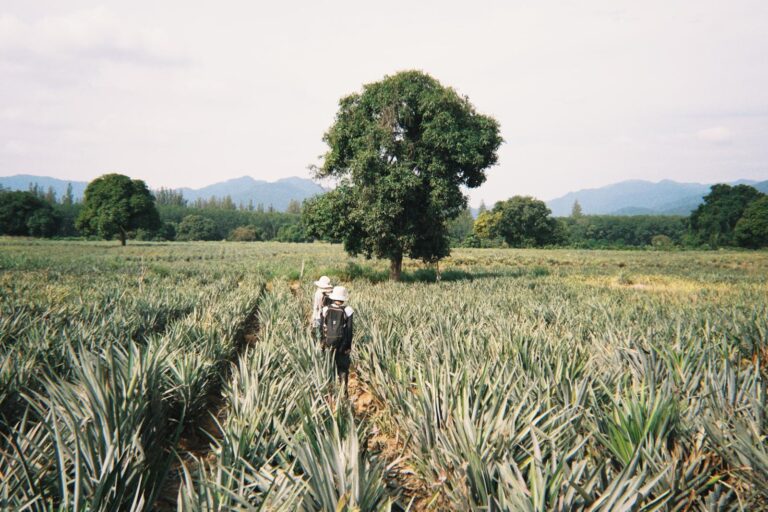
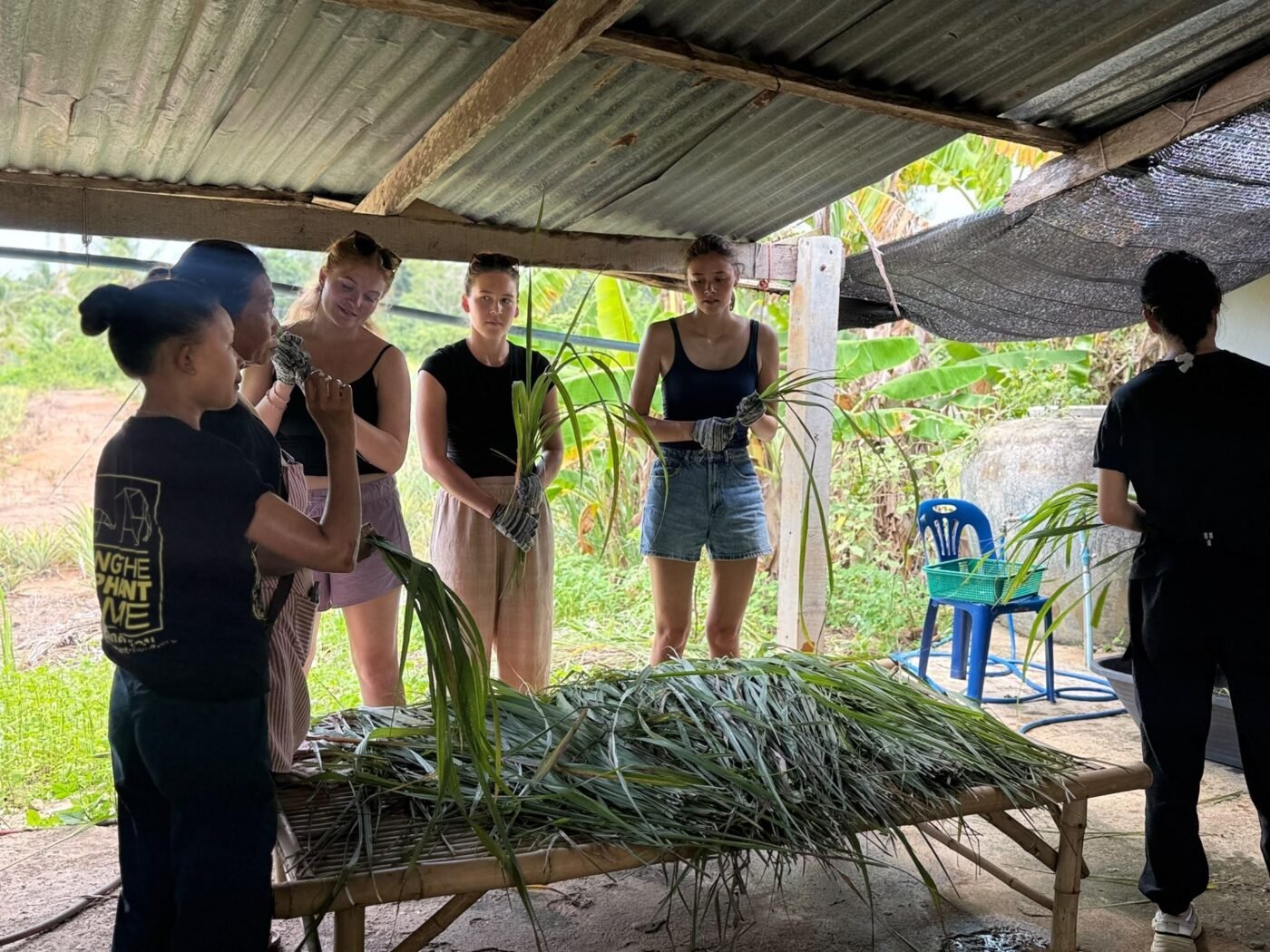
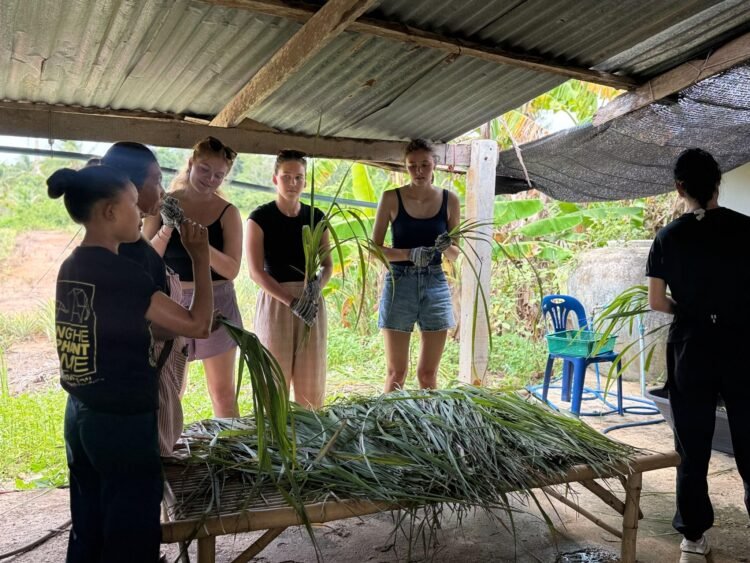
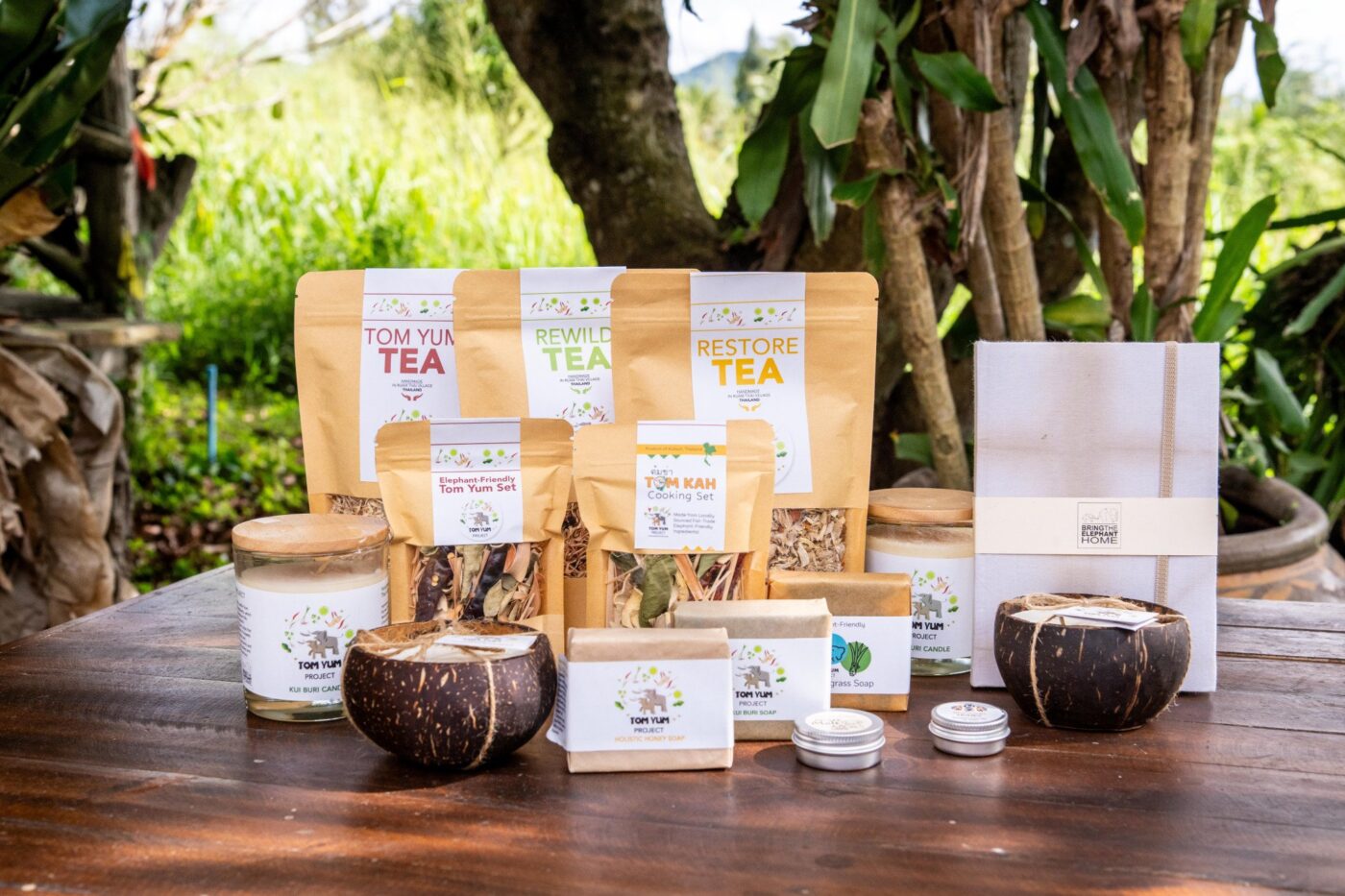
Developed together with the local community, the Hub will become a place for making, processing, distributing and selling elephant-friendly products, as well as for training, knowledge sharing and educational activities.  The Hub will support the Tom Yum project by creating certified facilities to process elephant-friendly crops, helping farmers reduce their dependence on crops such as pineapple, which are often damaged by elephants.  Around the Hub, we plan to create Sensory Gardens where community members and visitors can learn about human–elephant coexistence, regenerative agriculture, biodiversity and community resilience.  We still need support to bring the Sensory Gardens and Community Resilience Hub fully to life. Your donation can support workshops, equipment, and the development of the Sensory Gardens.  💚 Help us build practical, elephant-friendly solutions for people and elephants.
Donation link in bio!  Many thanks to @wpieterm, the INNO Fund of @wereldnatuurfonds, and Arie and Rianne van Rabenswaaij for helping make this dream possible.
  • Working together to enhance Human-Elephant Coexistence🤝🐘
Back in May, Bring The Elephant Home, EcoExist Society, and the Zoological Society of London Thailand facilitated a participatory Early Warning System co-management workshop. Here, local farmers, park rangers, local government officials and NGO field staff were brought together to evaluate the current crop protection practices and crop damage trends.  During the workshop the participants identified:
•⁠ ⁠Common priorities and improvements for the Early Warning System 
•⁠ ⁠Seasonal human–elephant conflict hotspots
•⁠ ⁠Elephant movement areas
•⁠ ⁠Priority risk zones  Next up in August, representatives from EarthRanger will join us to facilitate another workshop during which the participants will be trained to use the EarthRanger mobile app to log elephant detections and crop damage events.
  • Do you care about elephants, nature, and a future where people and wildlife can thrive together?  Subscribe to the Bring The Elephant Home newsletter for stories from the field, research insights, project updates from Africa and Asia, and ways to get involved.  Our July newsletter goes out soon — sign up today to receive it! 💚  🇬🇧 English newsletter
🇳🇱 Nederlandse nieuwsbrief  Both links are in our bio.