Elephant Rewilding
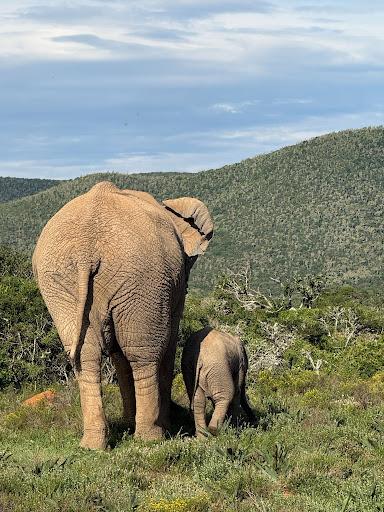
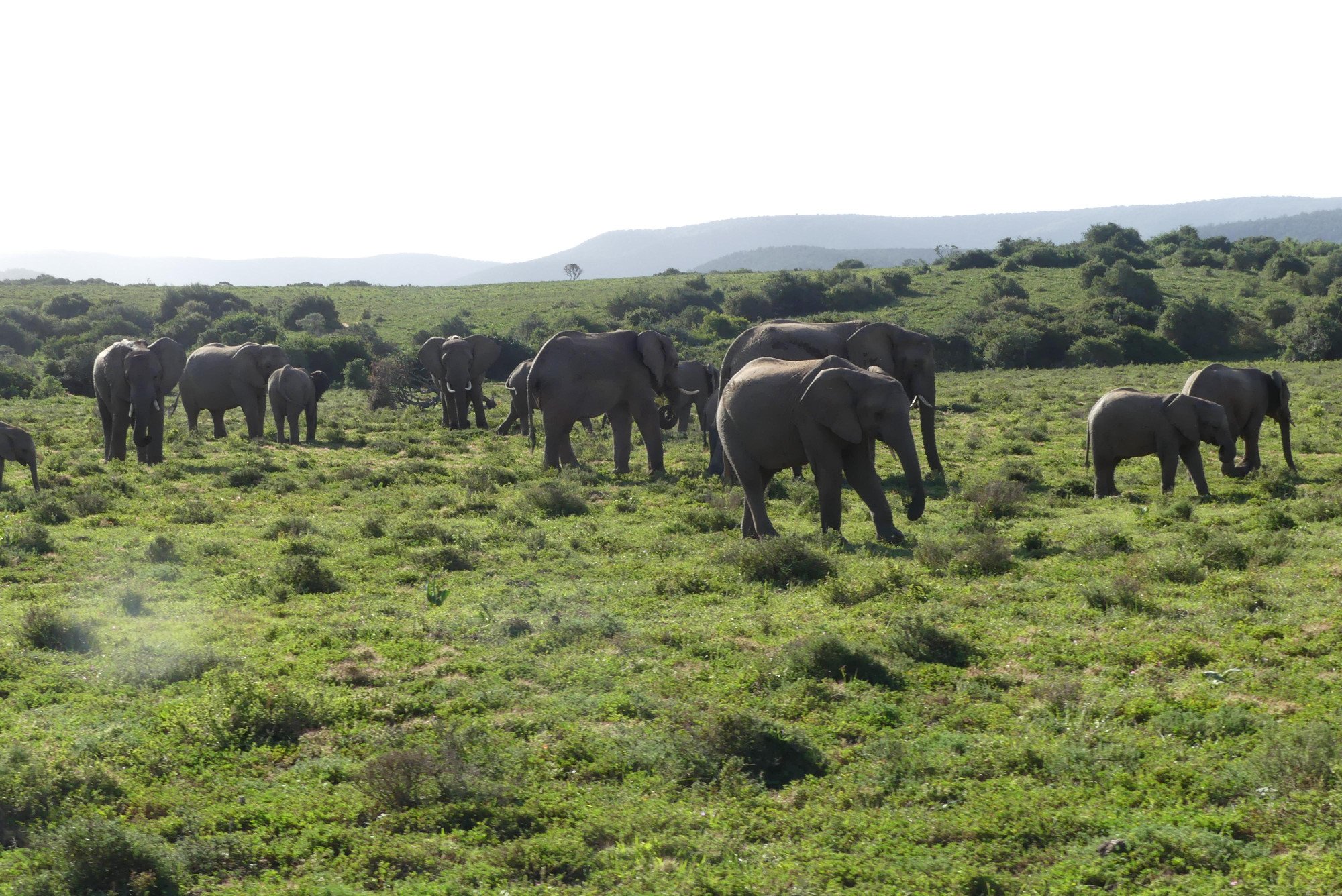
Across Africa, there is growing interest in creating more ethical, evidence-based pathways for elephants moving from captive, orphaned, rehabilitated, or highly managed conditions towards more natural, semi-wild, or wild lives. For elephants, rewilding is not a single event, but a careful, phased process that must prioritise welfare, social bonding, autonomy, ecological adaptation, and long-term monitoring.
Together with expert partners, BTEH supports elephant rewilding and reintegration through applied research, welfare assessment, behavioural monitoring, and adaptive management frameworks. Our work helps assess whether individual elephants are ready for rewilding, what support they may need, and how their progress can be monitored before, during, and after release.
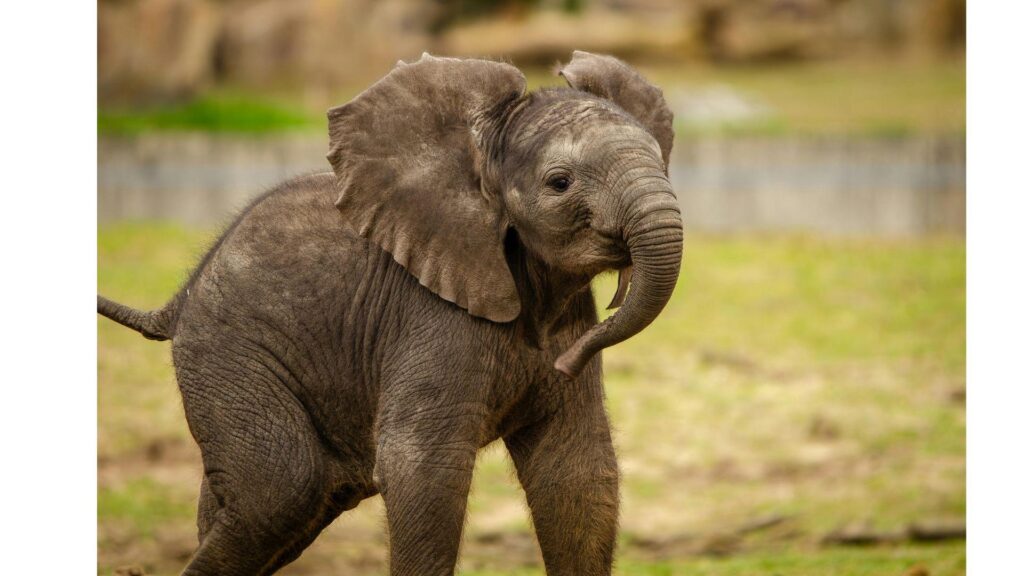
Building on our Rewilding Readiness Index, we assess key indicators of readiness, including habitat use, foraging independence, stress, body condition, social relationships, group compatibility, and autonomy. This evidence can guide individualised reintegration plans, welfare protocols, release decisions, and long-term post-release monitoring.
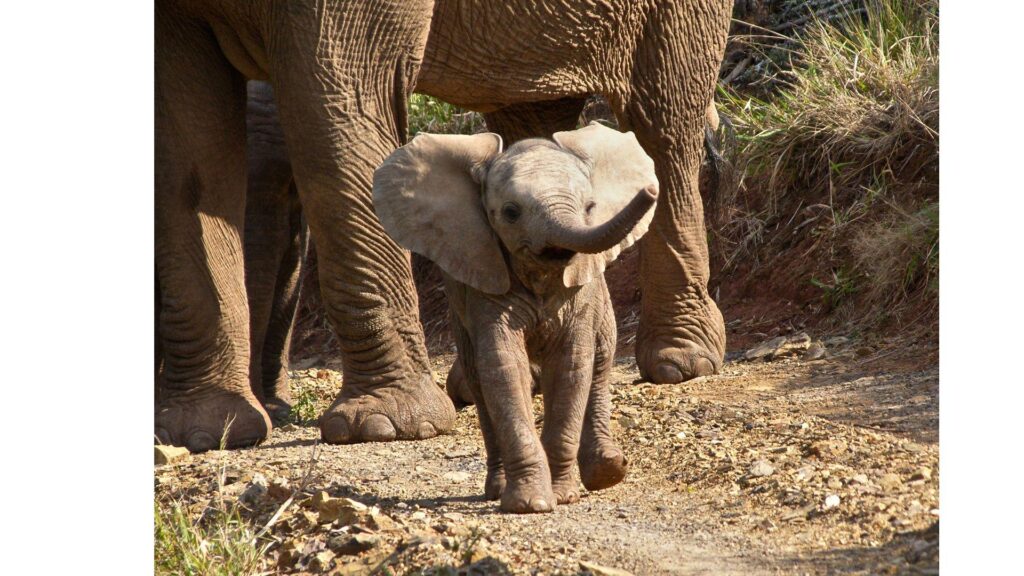
Through this work, BTEH aims to contribute to higher standards for elephant rehabilitation, reintegration, and rewilding, supporting pathways that are scientifically grounded, ethically responsible, and centred on each elephant’s well-being, increasing their potential for a successful reintegration into wild systems.