Een toekomst voor olifanten

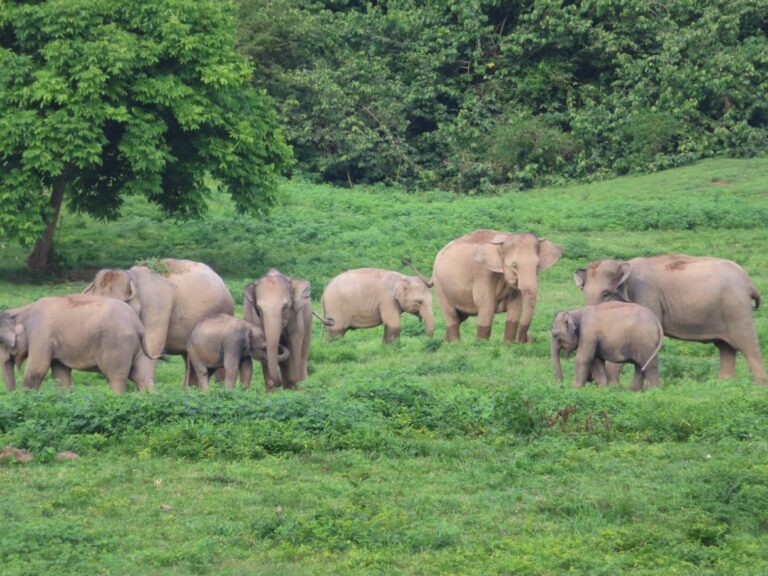
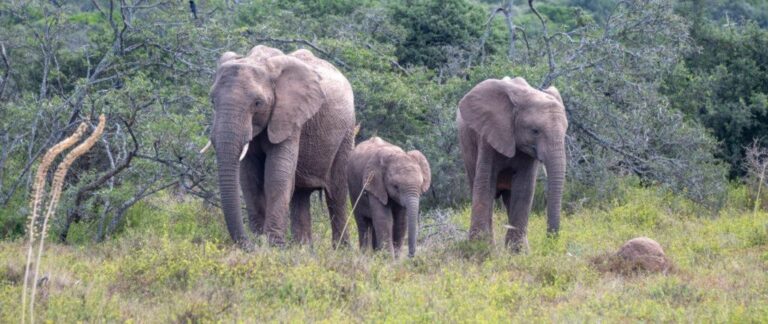
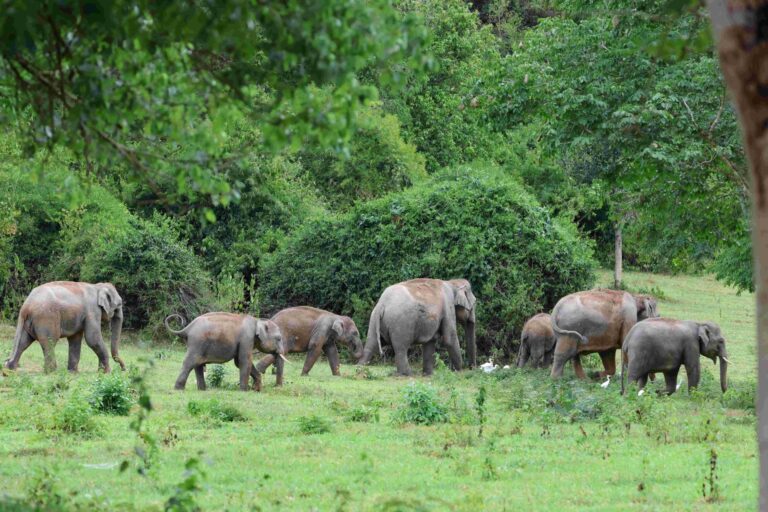
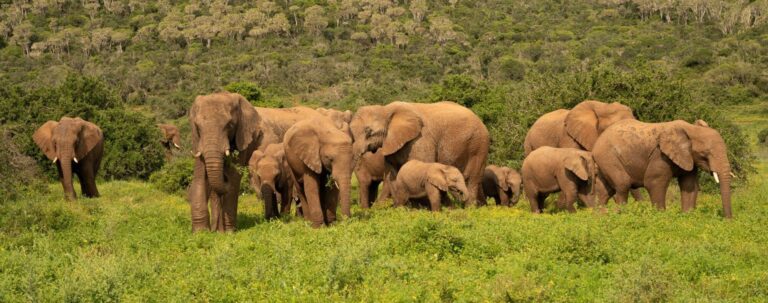
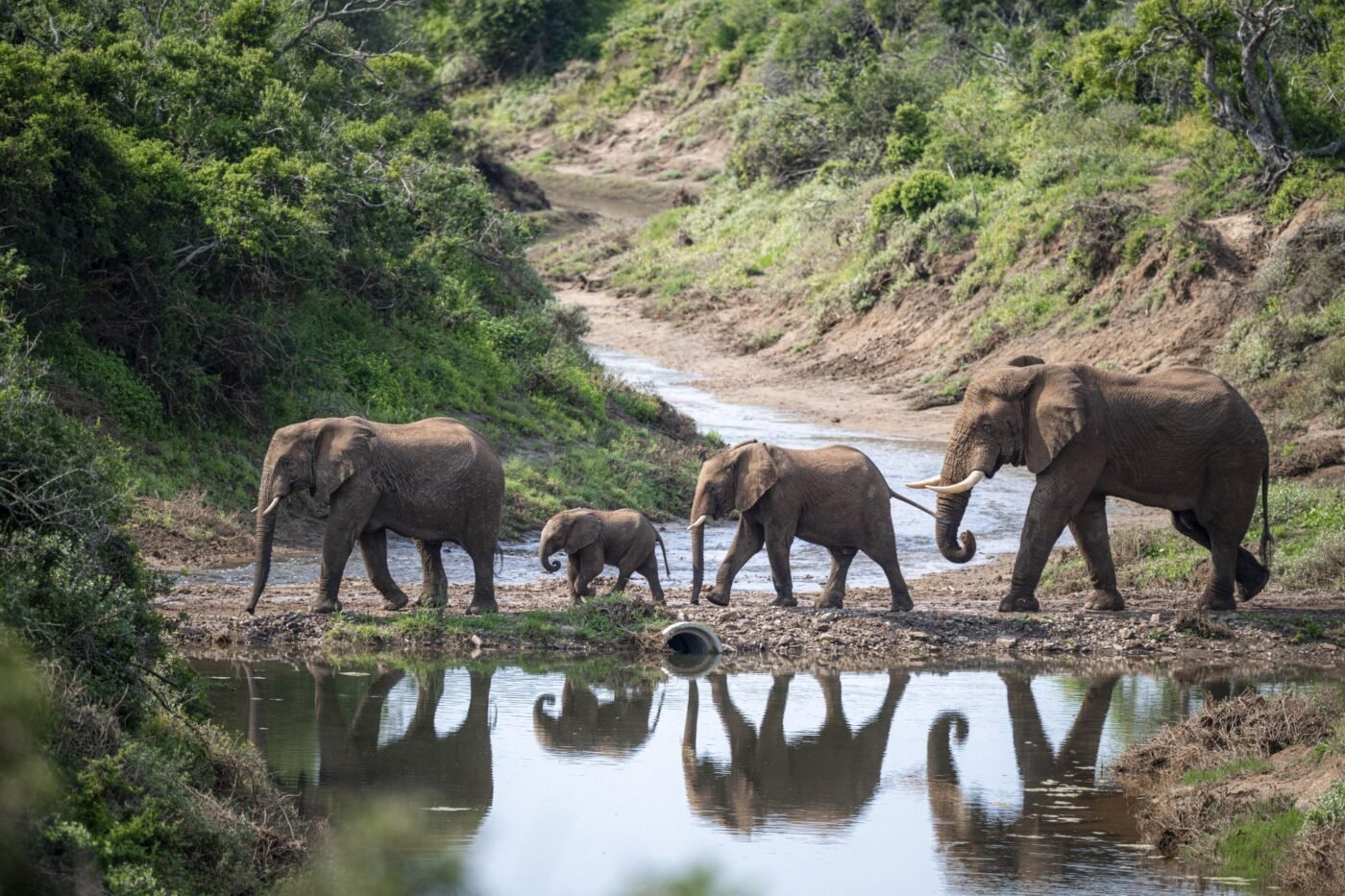
Olifanten zijn veel meer dan een diersoort die bescherming nodig heeft. Ze maken deel uit van levende landschappen, diepgaande ecologische relaties en de gedeelde toekomst van mens en natuur. Bring The Elephant Home zet zich in voor het welzijn en het voortbestaan van Afrikaanse en Aziatische olifanten, en voor een wereld waarin mensen, olifanten en ecosystemen samen kunnen floreren.

Sinds 2004 werken we samen met lokale gemeenschappen aan praktische oplossingen voor habitatbescherming, mens-olifantco-existentie, natuurherstel en duurzame bestaansmiddelen. Samen werken we aan een betere toekomst voor olifanten én de mensen die met hen samenleven.

Olifanten beschermen is het leven beschermen

Olifanten geven vorm aan de ecosystemen waarvan ze deel uitmaken. Ze verspreiden zaden, onderhouden graslanden, creëren paden en helpen bij het vinden van water. Daarmee ondersteunen ze vele andere dier- en plantensoorten en het bredere web van het leven.

Hun waarde reikt verder dan alleen ecologie. Als intelligente, sociale en gevoelige wezens inspireren olifanten tot verwondering, zorg, culturele betekenis en morele verantwoordelijkheid. Ze ondersteunen ook lokale economieën via toerisme en natuurvriendelijke bestaansmiddelen. Daarnaast herinneren ze ons eraan dat gezonde olifantenlandschappen ruimte, verbinding en doordachte keuzes nodig hebben.

Bij Bring The Elephant Home vertalen we deze visie naar concrete actie: habitatbescherming en -herstel, versterking van co-existentie, wetenschappelijk onderzoek en ondersteuning van gemeenschappen die dagelijks met olifanten samenleven. Onze aanpak is gebaseerd op gezamenlijke besluitvorming, lokale kennis en diep respect voor de verbindingen die het leven in stand houden.

Zo bouwen we aan veerkrachtige landschappen waarin olifanten, mensen en de natuurlijke wereld die zij delen kunnen floreren.

Lees hier onze volledige missie.
Help je mee?

Maak kennis met het team

  • Ons team is wereldwijd actief, specifiek in Thailand, Afrika en Nederland. Maak kennis met het team!

Schrijf je in voor de nieuwsbrief

En blijf op de hoogte!

This field is for validation purposes and should be left unchanged.
This field is hidden when viewing the form

Laatste nieuws

IMG_1662

BTEH Lab Ervaringen

Lees meer

Trots op Mo & Kie: Fellowship succesvol afgerond!

Lees meer

293A6976

Draag bij aan het onderzoek en de bescherming van Aziatische olifanten!

Lees meer

Nieuwse video

Bezoek onze Instagram

  • 🛠️ The renovation of the Community Resilience Hub in Ruam Thai Village has started!
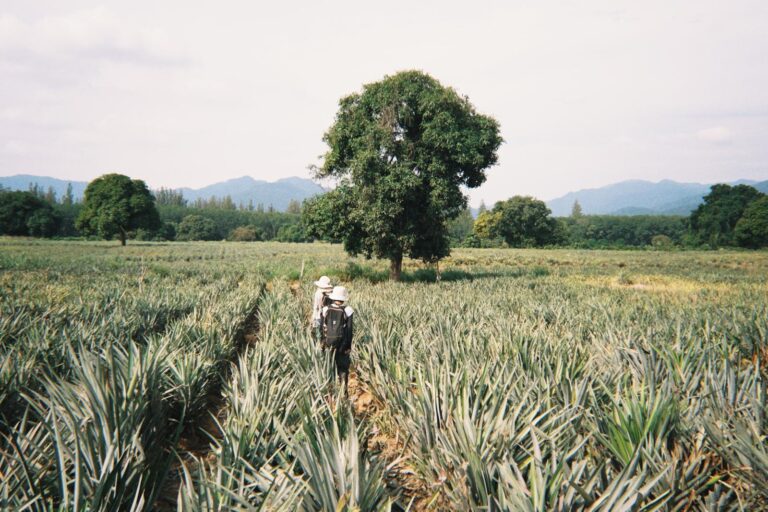
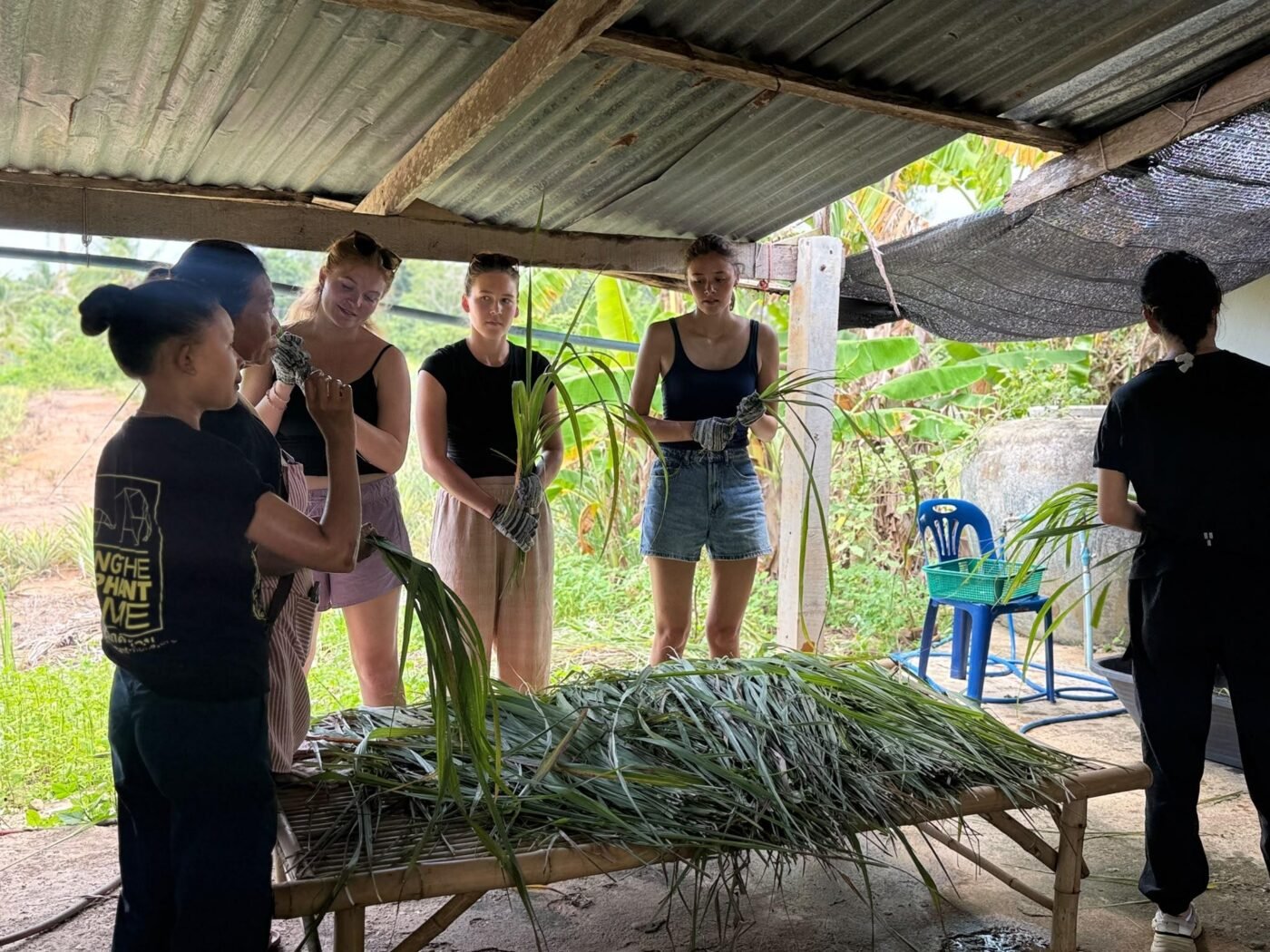
Developed together with the local community, the Hub will become a place for making, processing, distributing and selling elephant-friendly products, as well as for training, knowledge sharing and educational activities.  The Hub will support the Tom Yum project by creating certified facilities to process elephant-friendly crops, helping farmers reduce their dependence on crops such as pineapple, which are often damaged by elephants.  Around the Hub, we plan to create Sensory Gardens where community members and visitors can learn about human–elephant coexistence, regenerative agriculture, biodiversity and community resilience.  We still need support to bring the Sensory Gardens and Community Resilience Hub fully to life. Your donation can support workshops, equipment, and the development of the Sensory Gardens.  💚 Help us build practical, elephant-friendly solutions for people and elephants.
Donation link in bio!  Many thanks to @wpieterm, the INNO Fund of @wereldnatuurfonds, and Arie and Rianne van Rabenswaaij for helping make this dream possible.
  • Working together to enhance Human-Elephant Coexistence🤝🐘
Back in May, Bring The Elephant Home, EcoExist Society, and the Zoological Society of London Thailand facilitated a participatory Early Warning System co-management workshop. Here, local farmers, park rangers, local government officials and NGO field staff were brought together to evaluate the current crop protection practices and crop damage trends.  During the workshop the participants identified:
•⁠ ⁠Common priorities and improvements for the Early Warning System 
•⁠ ⁠Seasonal human–elephant conflict hotspots
•⁠ ⁠Elephant movement areas
•⁠ ⁠Priority risk zones  Next up in August, representatives from EarthRanger will join us to facilitate another workshop during which the participants will be trained to use the EarthRanger mobile app to log elephant detections and crop damage events.
  • Do you care about elephants, nature, and a future where people and wildlife can thrive together?  Subscribe to the Bring The Elephant Home newsletter for stories from the field, research insights, project updates from Africa and Asia, and ways to get involved.  Our July newsletter goes out soon — sign up today to receive it! 💚  🇬🇧 English newsletter
🇳🇱 Nederlandse nieuwsbrief  Both links are in our bio.
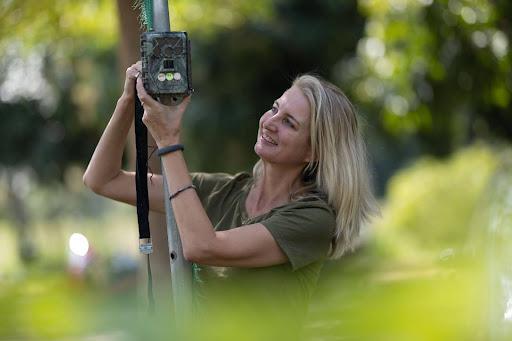
  • Hidden in forests, grasslands, and protected areas, camera traps help researchers understand the animals we rarely see.🌿  From a single picture, scientists can estimate:
• Population size - How many animals are living in an area
• Movement patterns - How animals use landscapes and corridors
• Species distribution - Where wildlife is found
• Habitat needs - Which areas are essential for survival  These silent observers work day and night, helping conservationists make better decisions to protect wildlife.  Support a camera trap. Protect wildlife. Make every image count. 🐘💚
🔗Tap the link in our bio to donate for camera traps today!  #BringTheElephantHome #CameraTrap #WildlifeConservation #TechForGood #SaveElephants #WildlifeResearch
  • Bring The Elephant Home hosted a group of students from Oregon State University at our research station in Kui Buri National Park, Thailand. Students learned field skills for behavior monitoring, individual identification and body condition scoring and spent time with local leaders to get a first-hand understanding of community-based elephant conservation in this region.  We’re grateful for this ongoing partnership with Oregon State University and thank professors Hathai Sangsupan and Jason McCarley for leading this program!🌱
  • BTEH Lab Experience: Body Condition Scoring🐘  Since 2019, Bring The Elephant Home’s Elephant Research Program has studied wild Asian elephants and human-elephant coexistence around Kuiburi National Park. Through the BTEH Lab intern Laura Griffiths shares her experiences and explains how she helped create a Body Condition Scoring System for Asian elephants! The full blog can be read on our website!  Want to sign up for the BTEH Lab yourself? Fill in the Google Form document in the link in our bio!