Voor een toekomst voor olifanten

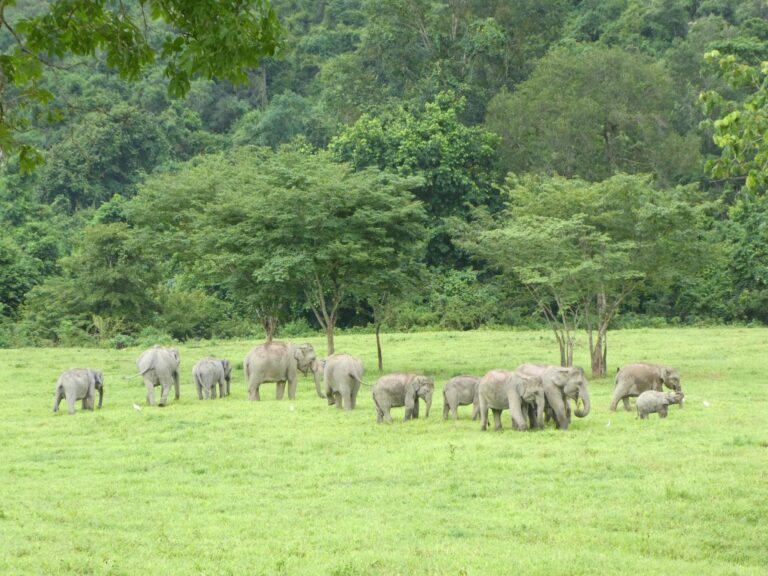
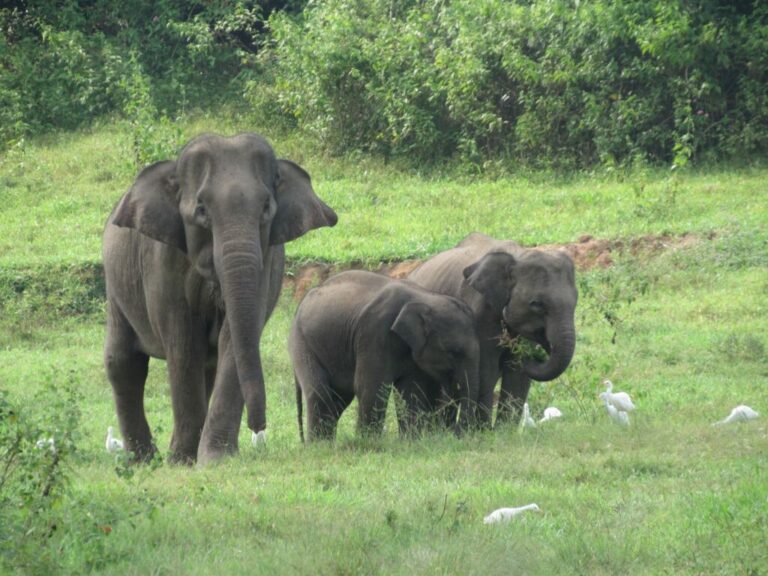
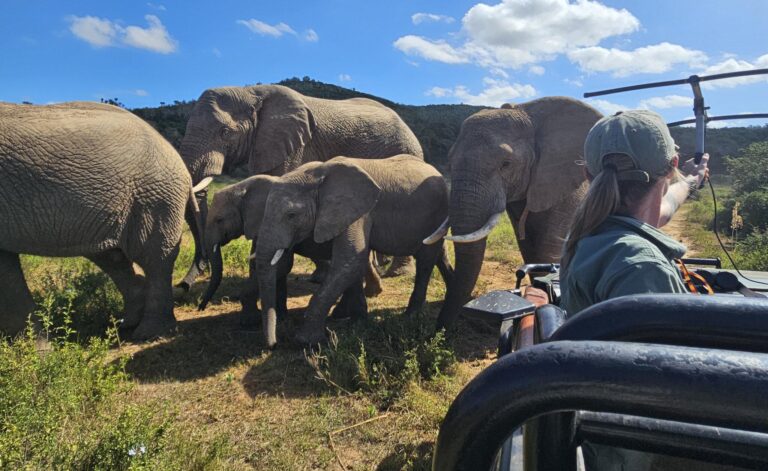
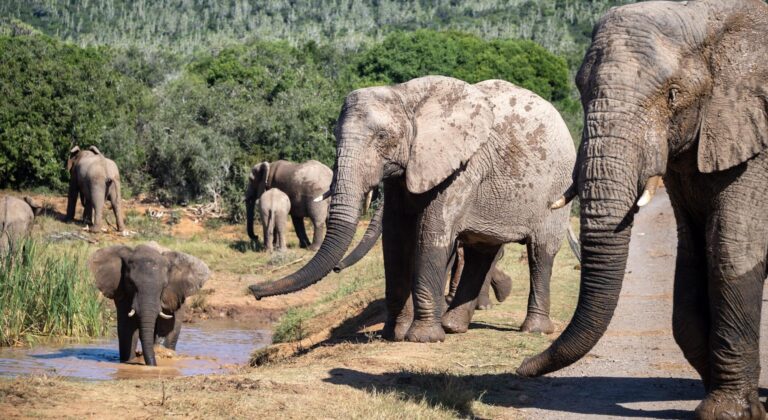
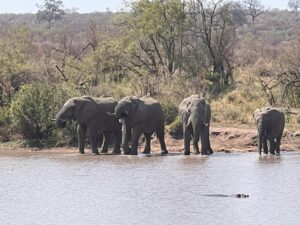
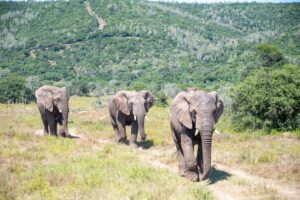
Olifanten worden met uitsterven bedreigd. Hun leefgebied verdwijnt in een alarmerend tempo, vooral door toedoen van mensen. Hierdoor worden olifanten gedwongen om buiten beschermde gebieden op zoek te gaan naar voedsel en water. Dit leidt steeds vaker tot conflicten tussen mens en olifant. Als de olifant verdwijnt, verliezen we niet alleen een prachtige diersoort, maar ook een onmisbare schakel in onze natuur en ecosystemen.

Alles op alles voor duurzame verandering!

Bring the Elephant Home zet alles op alles voor de overlevingskans van olifanten. Onze projecten in Afrika en AziΓ« starten bij de lokale gemeenschap. We streven naar duurzaam positieve verandering, naar een wereld waar mens en olifant in harmonie naast elkaar kunnen leven. Sluit je aan bij de missie van Bring the Elephant Home!
Help je mee?

Alvast veel dank voor je hulp! Bring The Elephant Home is een door het CBF erkend goed doel en is een ANBI (Algemeen Nut Beogende Instelling). Ook is BTEH lid van GlobeGuards. Informatie over het beleid en bijvoorbeeld jaarerslagen van BTEH vind je hier.

Maak kennis met het team

Ons team is wereldwijd actief, specifiek in Thailand, Zuidelijk Afrika en Nederland. Maak kennis met het BTEH-team!

Laatste nieuws

NZ8_2833

Wil je bijdragen aan mijn crowdfunding?
Lees meer

2025 in vogelvlucht

Lees meer

Hartelijk dank Meesman Indexbeleggen!

Lees meer

Nieuwse video

Bezoek onze Instagram

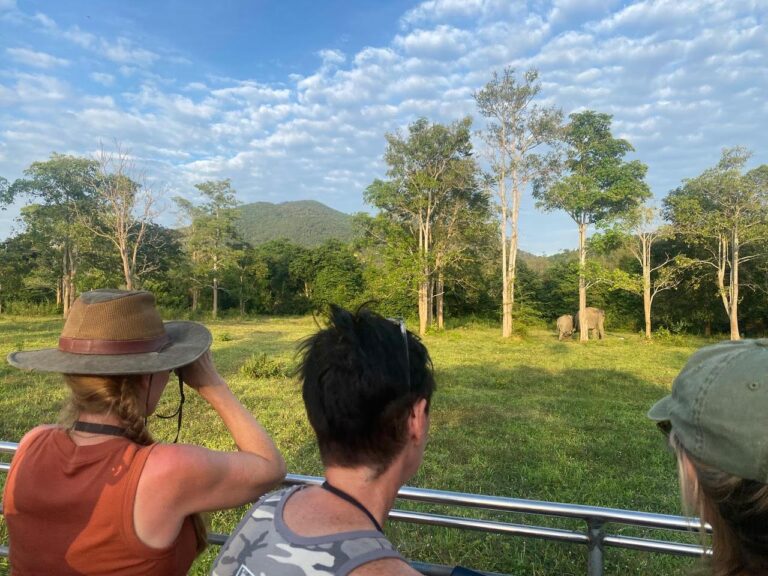
  • Our paper has just been published in Ecology and Evolution!  We’re excited to share our latest research, led by PhD researcher @thewildlifelady Brooke Friswold, on how wildlife tourism affects wild Asian elephant behaviour, and what sustainable, ethical viewing looks like in practice. In Kuiburi National Park, we followed wild elephants over three years, including periods of park closure, to understand how vehicles, people, distance, and noise shape elephant responses.  πŸ” What we found  More vehicles, people, closer distances, and higher noise increase stress, vigilance, and avoidance. Reduced affiliative (social) behaviour is the most sensitive early warning sign of disturbance, while cow–calf groups are especially vulnerable.  Clear behavioural thresholds define ideal and acceptable tourism conditions: viewing distances >100 m / 125 m, fewer than 4 / 8 vehicles, fewer than 10 / 21 people, and noise levels below 32 / 42 dB. Beyond these thresholds, negative behavioural responses increased significantly.  These findings offer a practical, scalable model for park managers and policymakers, supporting wildlife observation tourism that protects elephant welfare while sustaining conservation and livelihoods.  Huge thanks to the full research team, the support team at KMUTT University, the Department of National Parks, Wildlife and Plant Conservation, and the rangers and community members who make long-term research like this possible 🐘🌱  πŸ‘‰ Link to the full open-access paper in the comments.
  • 🐘 One spot just opened up! 🐘 Dreaming of studying elephants in the wild? This is your chance. One last place is available for our Elephant Research Program in South Africa, where you’ll work alongside experts and gain hands-on experience with wild elephants in a real research setting.  πŸ“ Kariega Game Reserve
πŸ“… 6–16 April 2026  You’ll learn what it’s truly like to study elephants in the wild. From field observations and data collection to understanding elephant behaviour, movement, and conservation challenges.  Limited to one participant. Contact us now to secure this unique opportunity before it’s gone.  #ElephantResearch #WildElephants #ConservationInAction #FieldResearch #HumanElephantCoexistence SouthAfrica Kariega
  • ✨ 2025 in review ✨ From deploying camera traps, wrapping up research and launching new research on elephant populations, identification and social behaviour, to integrating conservation technology, scaling our Tom Yum Project to connect communities with wider markets, #and sharing our experiences at conferences, in publications and with other communities.  Thank you for being part of this journey.
Happy 2026!πŸ˜πŸ’š  #elephantconservation #humanelephantcoexistence #wildlifeconservation #savetheelephants
  • From all of us at Bring The Elephant Home, thank you for being part of this journey πŸ’š
Your support helps protect elephants, restore landscapes, and stand with the communities who share their lives with wildlife.  Wishing you a peaceful Christmas and a hopeful New Year 🐘✨
And if you’re still looking for a meaningful gift, adopting an elephant is a beautiful way to honour a loved one while giving back to nature 🎁  #MeaningfulGifts #AdoptAnElephant #BringTheElephantHome #ElephantConservation #SeasonOfGiving #GiftsThatGiveBack #HumanElephantCoexistence
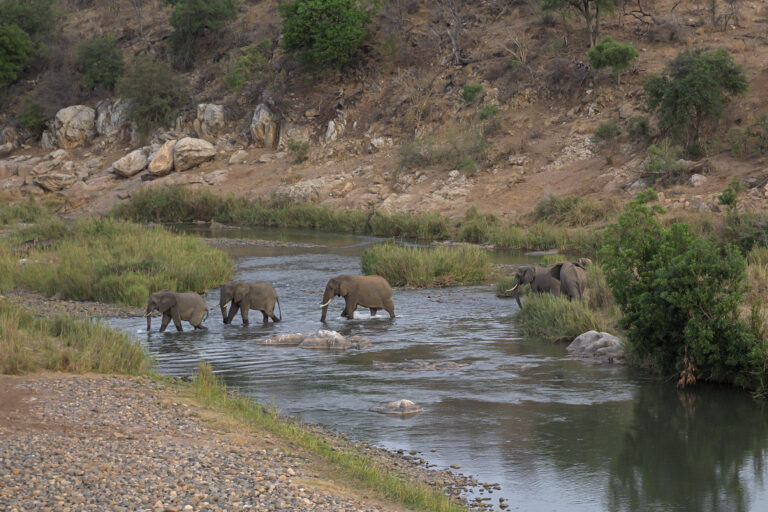
  • African elephants are under increasing pressure: from habitat loss and poaching, to rising conflict with people. You can be part of the solution! 🐘🌍
By symbolically adopting an African elephant, you help protect elephants and support the communities living alongside them, advancing research, conservation action, and shared well-being for people and wildlife.  Join us in shaping a more just and hopeful future for all.
πŸ‘‰ Learn more and take action at https://bteh.org  #AfricanElephants #AdoptAnElephant #HumanElephantCoexistence #CommunityBasedConservation #BringTheElephantHome #ConservationWithCare
  • Elephant populations have declined by 77% in 50 years - if these trends continue, we could see a world without wild elephants in two decades.  Please consider helping those who are trying to help them.  Join us this Sunday, December 14th at the Troubadour for Tinsel and Trunks!! ✨An all-ages variety show with music, comedy, and holiday cheer to support wild elephant conservation!  All tickets and proceeds go to supporting @btehasiaafrica community-based conservation and research for wild elephant conservation in Africa and Asia.  Get your tickets here: https://www.zeffy.com/en-US/ticketing/tinsel-and-trunks
And donate here πŸ’š https://bteh.org/donate/  Edwards, C. T., Gobush, K. S., Maisels, F., Balfour, D., Taylor, R., & Wittemyer, G. (2024). Survey-based inference of continental African elephant decline. Proceedings of the National Academy of Sciences, 121(48), e2403816121.  #wildlifemanagement #womeninstem #rangeexpansion #wildlife #wildlifeconservation #animals #nature #elephantbehavior #conservation #elephants #africa #southafrica #phd #phdlife #animals #animalconservation 
#animalbehavior #research #fieldbiologist #rewildingelephants #research #bteh