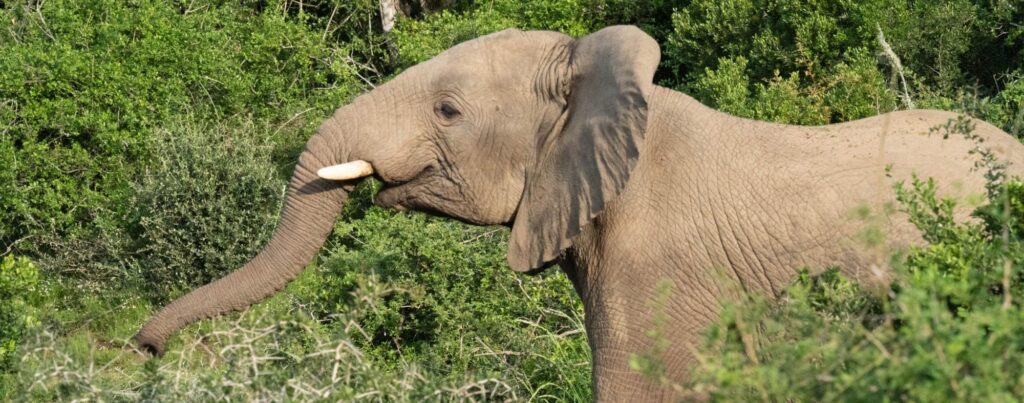
Embracing Elephant Autonomy at Any Stage of Life: A Blog by Karen Couchon
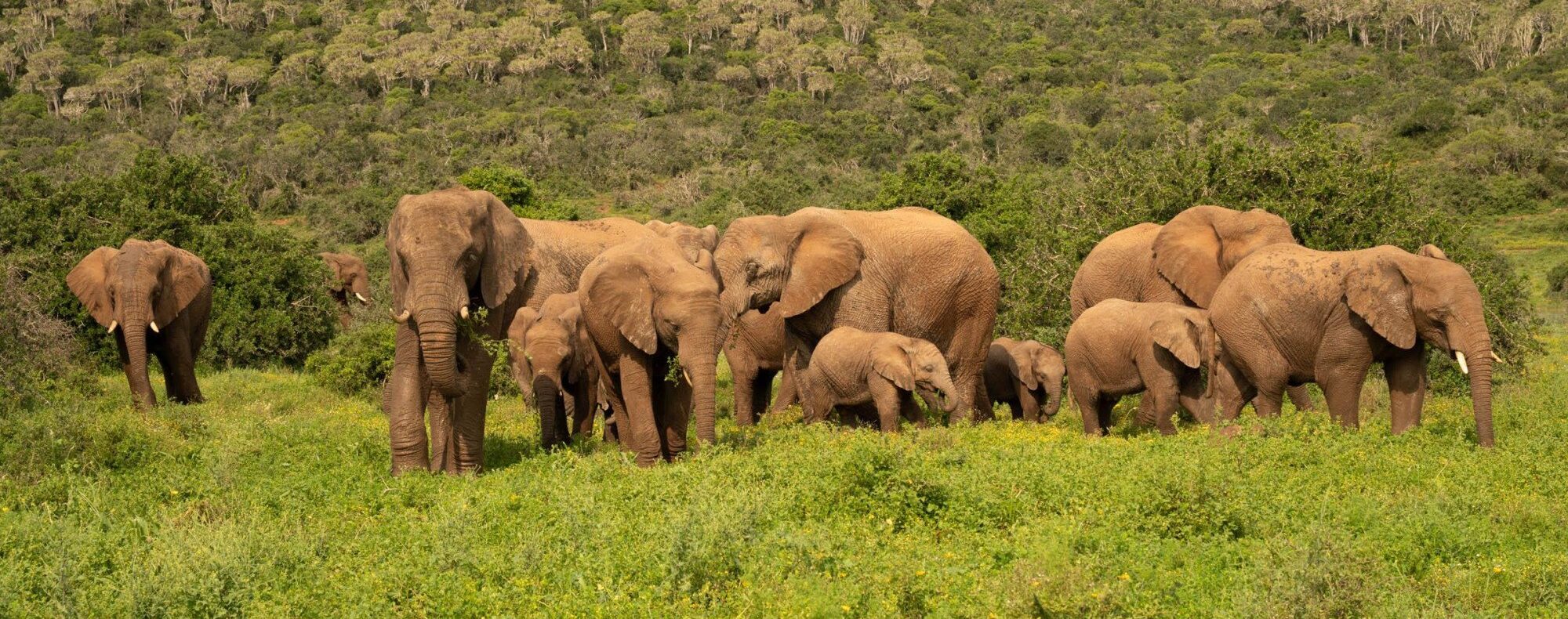
Marking the end of an era, Bring The Elephant Home wrapped up our last-ever volunteer research expedition at Kariega Game Reserve in South Africa from September 14 to 24. Joined by eight dedicated volunteer research assistants, we spent ten immersive days observing wild elephant behavior and perfecting our ID techniques. Volunteer Karen Couchon was right there in the thick of it—read her firsthand account of this extraordinary final expedition below.
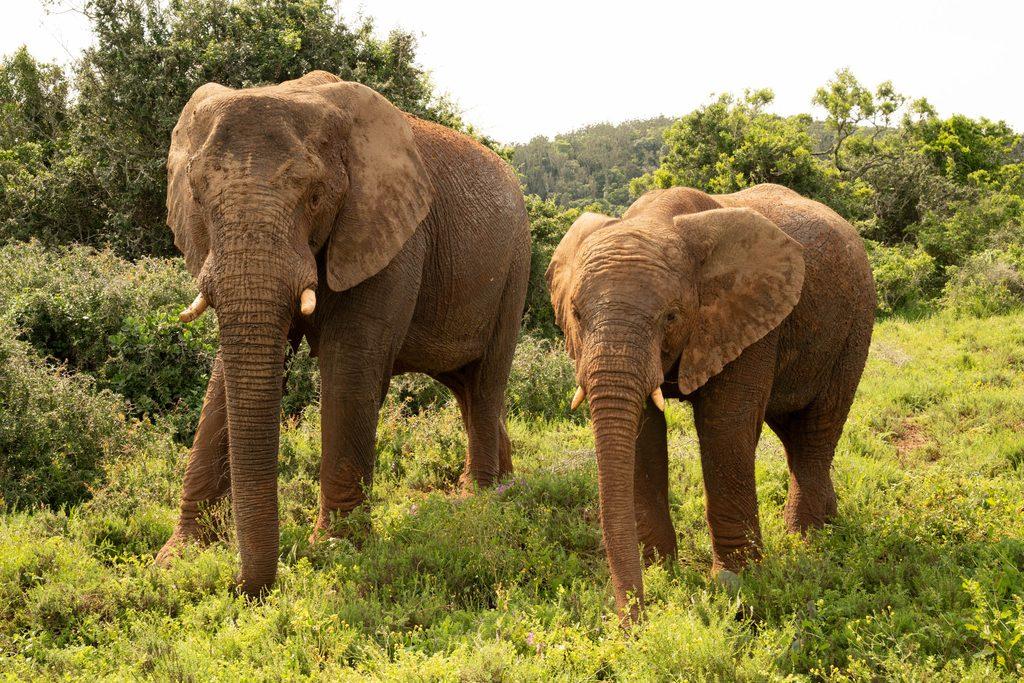
Evolving Our Perspective on Elephant Autonomy
No matter what stage of life we are in, we are never too old to choose differently. Growth is forgiving ourselves for previous decisions we thought were acceptable, and replacing those false beliefs with the truth that supports elephant autonomy far better than we once understood.
Volunteering in the field with Bring The Elephant Home in South Africa showed me what genuine elephant autonomy looks like away from human control. By recognizing how media during our formative years and adult tourism unconsciously shape our views, we can release the guilt over past choices and embrace a more informed, compassionate approach toward our relationship with elephants.
The Courage to Learn: Allowing Our Views to Evolve
Participating in field conservation work and having deep, meaningful conversations with the scientists at Bring The Elephant Home changed my understanding entirely. Being immersed in the natural habitat of wild elephants was profoundly insightful, showing me what genuine autonomy looks like away from human control.
It made me realize that our views can and should continually evolve when we are open to learning and seeing things through a fresh point of view. By unlearning outdated assumptions shaped by media and tourism, we open ourselves up to a far deeper understanding of autonomy for elephants and other wildlife. Growth simply means letting new knowledge guide us toward choices that truly respect and protect these incredible animals.
Living Unrestricted: The Essence of True Elephant Autonomy
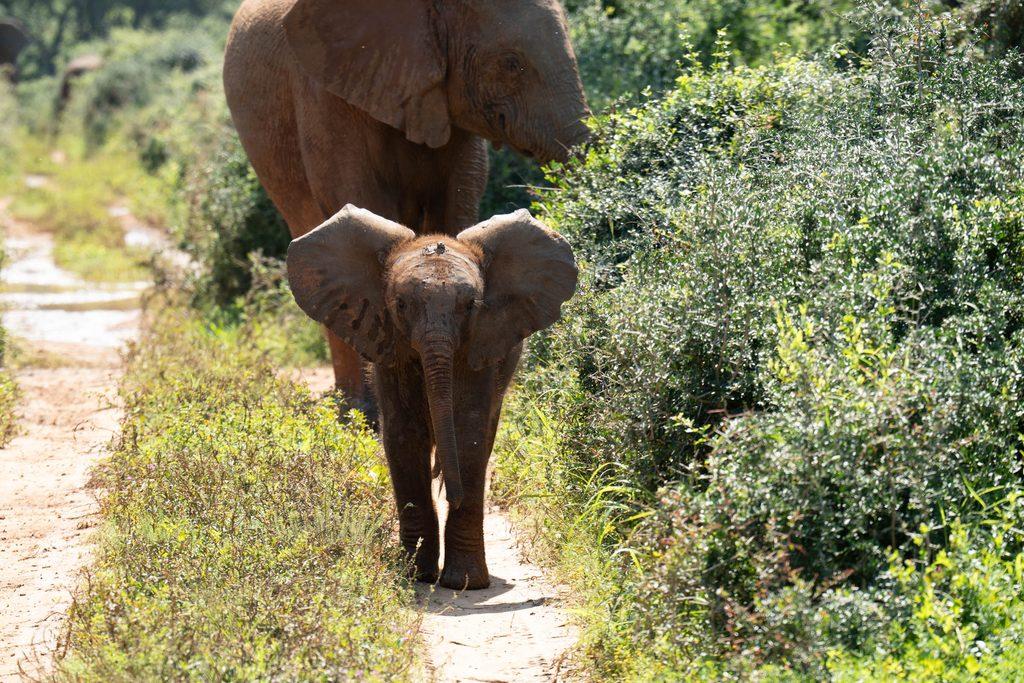
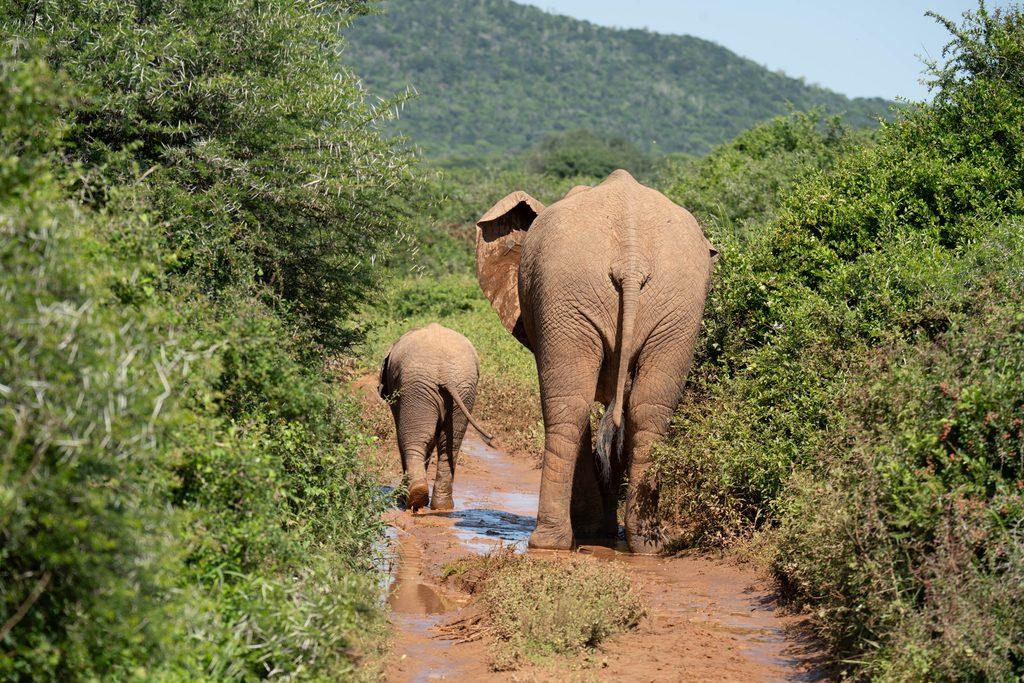
In the wild, elephant lives unfold through complete self-direction. Every moment flows naturally through instinct and choice, allowing elephants to decide when and where to travel, which waterholes to visit, what vegetation to forage, and how to nurture social bonds within the herd. This is what true autonomy looks like when elephants live on their own terms.
From matriarchs using decades of ecological memory to lead their families, to juveniles learning crucial boundaries through play, dynamic bachelor groups forming unique social networks, and related females continually reinforcing lifelong bonds through trunk-touches and rumble calls, we witness a world that thrives entirely away from human control.
Witnessing elephants move freely across their natural home illuminates the difficult realities faced in captivity. Even within venues thoughtfully marketed as ethical sanctuaries, captive elephants often remain bound to human schedules, managed enclosures, and continuous public observation. These limitations gently remind us of how precious freedom is and how captivity restricts the innate right to choose. True conservation means honoring the true nature of wild elephants respecting an existence completely free from human manipulation, imposed routines, and external expectations.
Dissolving the Illusion: How New Understanding Shifts Our Choices at Any Age
Recognizing what autonomy looks like naturally leads us to reflect on how far removed our initial understanding once was. From our earliest days, society subtly conditions us to view wildlife through the lens of human entertainment. Childhood is filled with movies, books, and shows that portray majestic animals, especially elephants, as friendly companions, performers, or willing participants in human culture.
Many of us grew up believing that riding an elephant at a fair, circus, or tourist venue was a magical way to connect with nature. At the time, the hidden realities behind those spectacles remained unknown: the forcible separation from family herds, harsh training methods, and the ongoing stress of unnatural confinement
Realizing that our past actions, whether innocent childhood memories or well-intentioned adult travels contributed to a system of exploitation can bring a heavy heart. Looking back at past knowledge gaps is a tender experience, but carrying self-judgment for what we didn’t know serves no purpose. None of us are to blame for inheriting false beliefs from a society that normalized the commodification of wildlife. What truly matters is the gentle awakening that unfolds when new understanding takes root.
Age, Awareness, and Autonomy: Choosing a New Way Forward
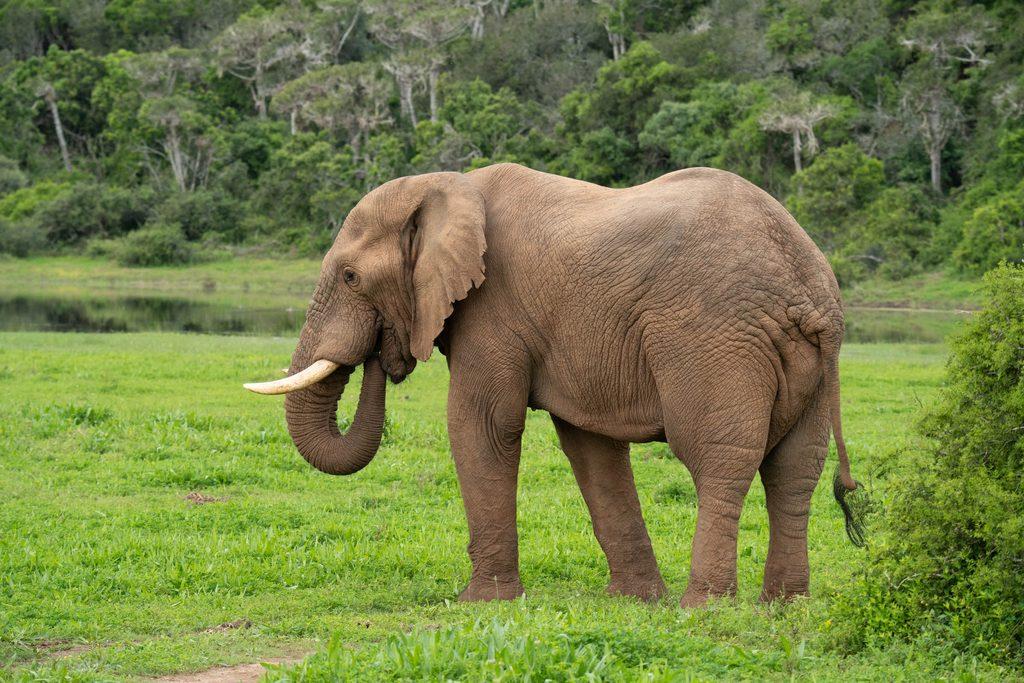
Positive change is always possible. When the next choice is presented, we hold the power to choose the best outcome for elephants and other animals. Our focus shifts toward learning today and sharing that knowledge with others, so we can all make the right conscious choice the next time it arises and the times after that. Through this awareness, we can move toward supporting true autonomy and leaving elephants to live safely in their natural habitats.
Thank you, Karen!
Thank you, Karen, for sharing your perspective and allowing us to be a part of your reflection; your thoughtful insights on unlearning old beliefs and advocating for genuine elephant autonomy are truly inspiring.