Removing Fences Makes Elephants Healthier and Leaves the Landscape Intact
We are excited to highlight recent media coverage featured on EIN Presswire detailing groundbreaking research led by our very own Dr. Brooke Friswold (Regional Director Africa at Bring The Elephant Home) alongside BTEH Founder Dr. Antoinette van de Water and our conservation partners.
The press feature, titled “Removing Fences Makes Elephants Healthier and Leaves the Landscape Intact,” showcases the results of our multi-year study published in the peer-reviewed journal Ecology and Evolution (2026). As public debate in South Africa continues around population management within fenced reserves, this landmark study provides evidence for a sustainable, ethical alternative: giving elephants more room to move.
Expanding Horizons at Kariega Game Reserve
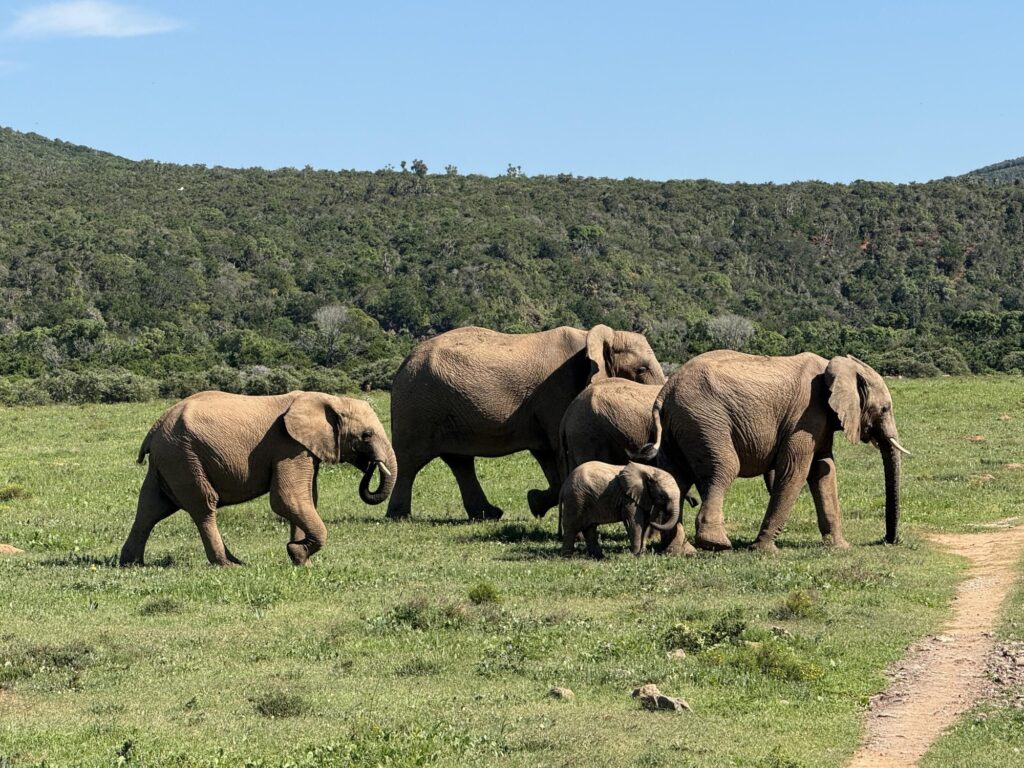
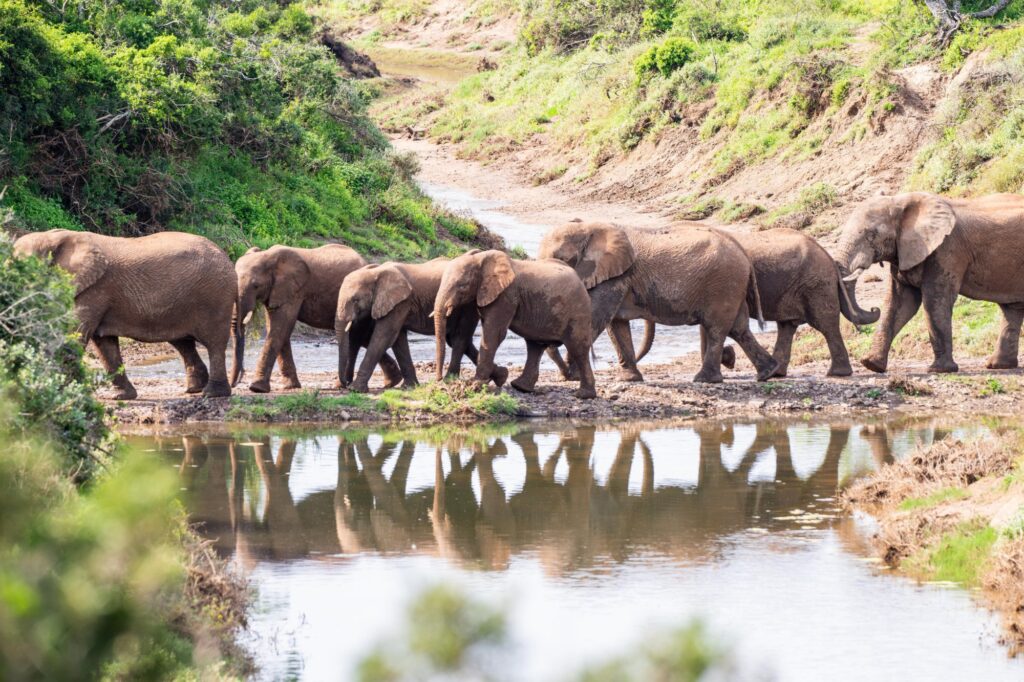
In January 2024, Kariega Game Reserve took the bold step of dropping its main internal fence, allowing 75 elephants across five distinct matriarchal herds to share an interconnected landscape for the first time.
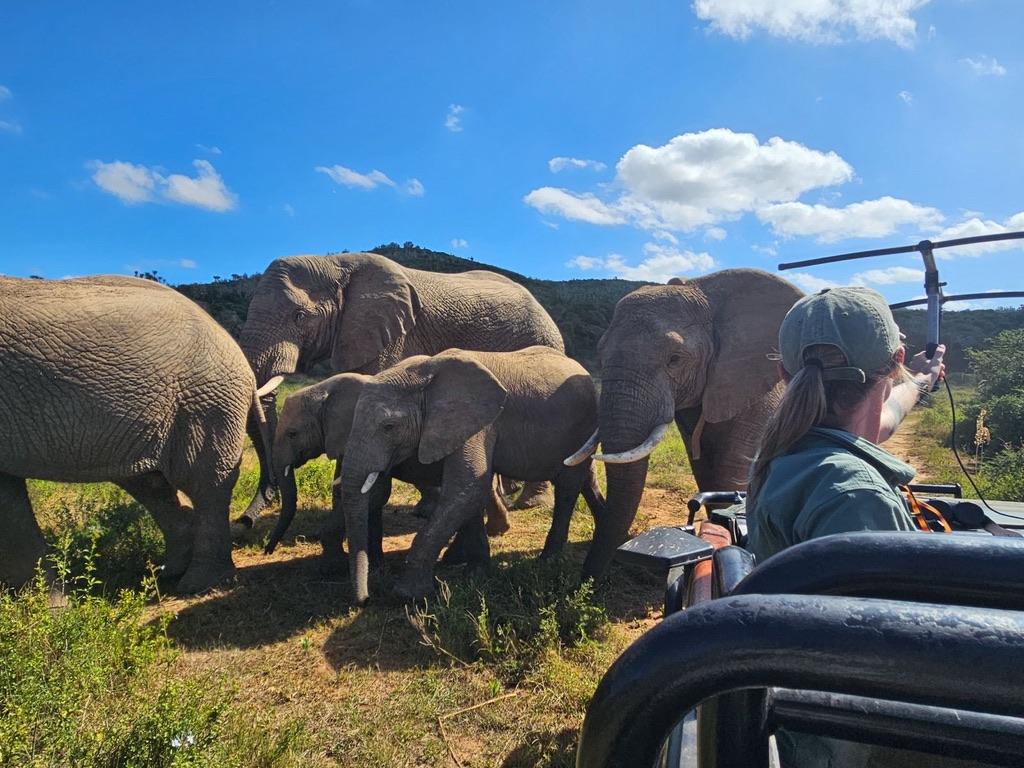
To evaluate the ecological, social, and physiological impacts of this fence removal, our research team tracked the herds over a three-year period (August 2022 through mid-2025) using four rigorous scientific approaches:
- GPS Collar Tracking: Monitoring movement patterns and home-range changes of key herd leaders.
- Behavioral Field Observations: Conducting 607 intensive behavioral observation sessions to record social dynamics and interactions.
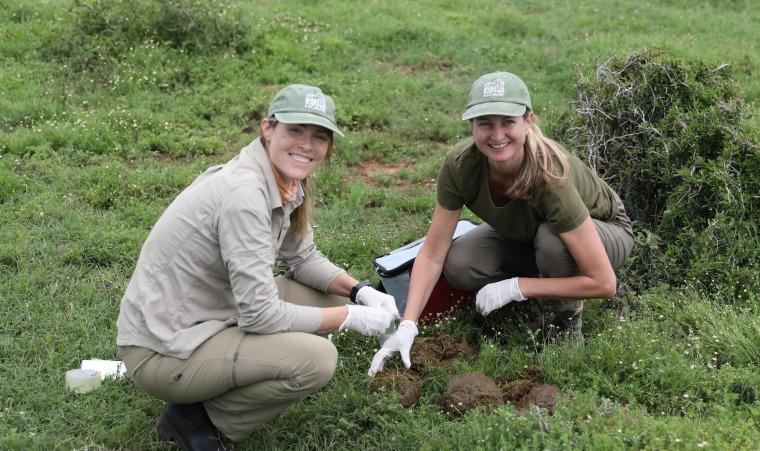
- Fecal Hormone Analysis: Measuring non-invasive physiological stress levels (fecal glucocorticoid metabolite concentrations).
- Satellite Vegetation Assessments: Analyzing multi-temporal satellite NDVI data to measure changes in vegetation impact across elephant-accessible vs. control areas.
What the Research Reveals
The findings challenge long-held assumptions about elephant management in enclosed reserves:
- Lower Physiological Stress: Fecal hormone monitoring demonstrated a statistically significant reduction in stress levels following fence removal ($p = 0.008$), even when adjusting for age, sex, temperature, rainfall, and seasonal changes.
- Increased Social Harmony: While initial fence removal caused a brief spike in social interactions, long-term intra-species aggression plummeted by 20% below baseline levels. Meanwhile, positive social bonding behaviors increased by 66%.
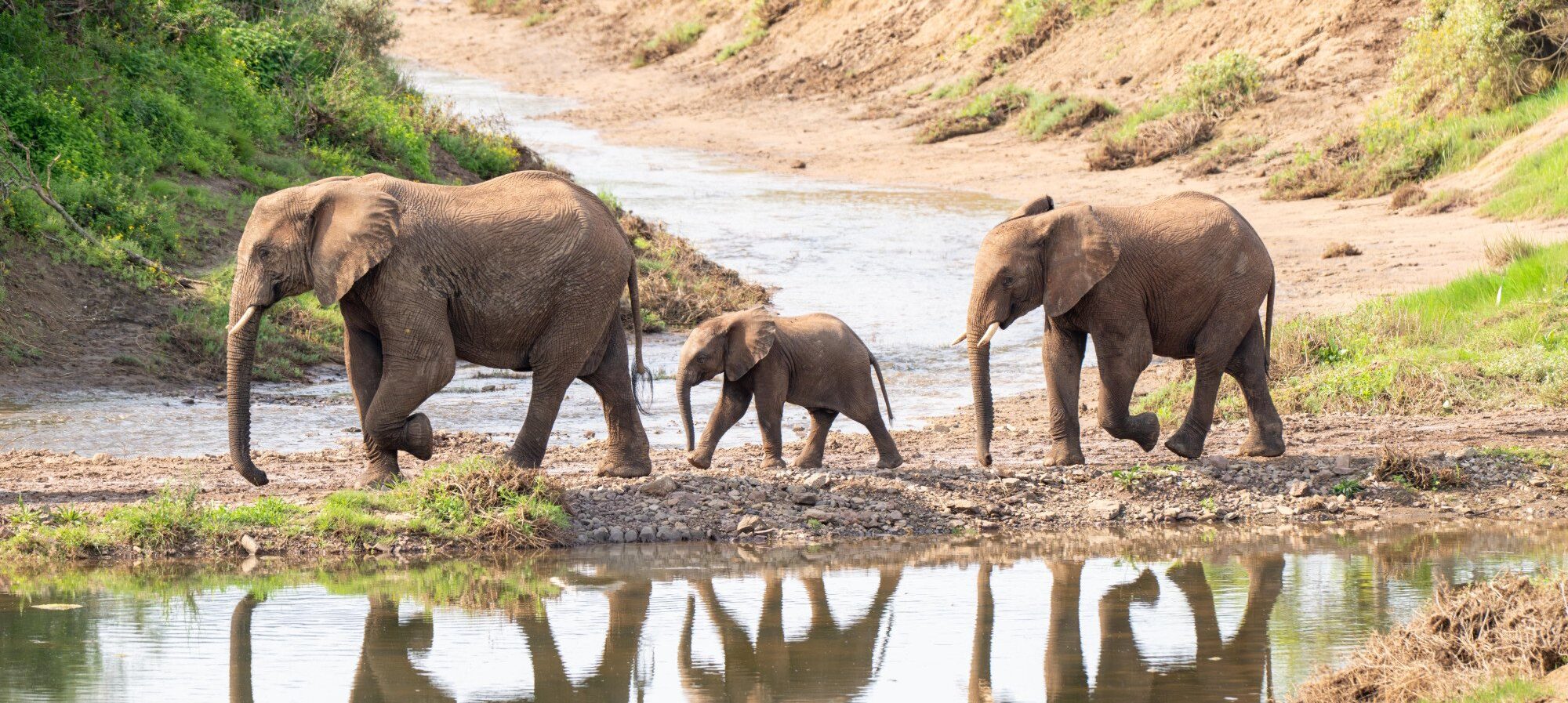
- Dramatic Expansion of Movement: Free to explore, the elephants nearly doubled their movement rates. One featured matriarch saw her seasonal home range expand from 1,280 hectares to 3,291 hectares, easing localized browsing pressure.
- Landscape Integrity Intact: Despite fears that broader elephant access might degrade new plant habitats, satellite imagery confirmed no greater degradation in newly accessible areas compared to non-elephant control zones.
“It’s not that there are too many elephants — there’s not enough space. We need to focus on corridor creation, fence removal where possible, and allowing natural ecological processes to function as intended. Elephants are essential ecosystem engineers that help facilitate those natural processes, so conservation efforts should focus on enabling them to move more freely across the landscape.” — Dr. Brooke Friswold, Lead Author & BTEH Regional Director Africa
Alignment with Regional & National Biodiversity Goals
South Africa’s national conservation strategy increasingly emphasizes habitat connectivity, including SANParks’ vision to create migratory corridors connecting Addo Elephant National Park to Mountain Zebra National Park across Eastern Cape reserves. As a pioneer in reserve expansion, Kariega Game Reserve provides empirical proof of how landscape connectivity benefits both individual elephant welfare and broader ecosystem resilience.
“The study results support South Africa’s vision for healthy, resilient elephant populations living in larger, more connected landscapes. They show that range expansion is a practical and more ethical alternative to population control. This evidence-based path supports natural social behaviour, ecosystem resilience, ecotourism, and long-term conservation, helping create landscapes where elephants, ecosystems, and people can thrive together.” – Dr. Antoinette van de Water, co-author and Founder & Director of Bring The Elephant Home.
Acknowledgments & Media Contact
A thank you to Megan Evans for representing and distributing this release on EIN Presswire, helping bring these essential research findings to media outlets worldwide.
Explore the Full Resources
- Read the press article here
- Read the full open-access study here: Fence Removal Enhances Elephant Movement and Promotes Behavioural, Physiological and Ecological Functioning (Ecology and Evolution, 2026, Vol. 16, e73619, DOI: 10.1002/ece3.73619)