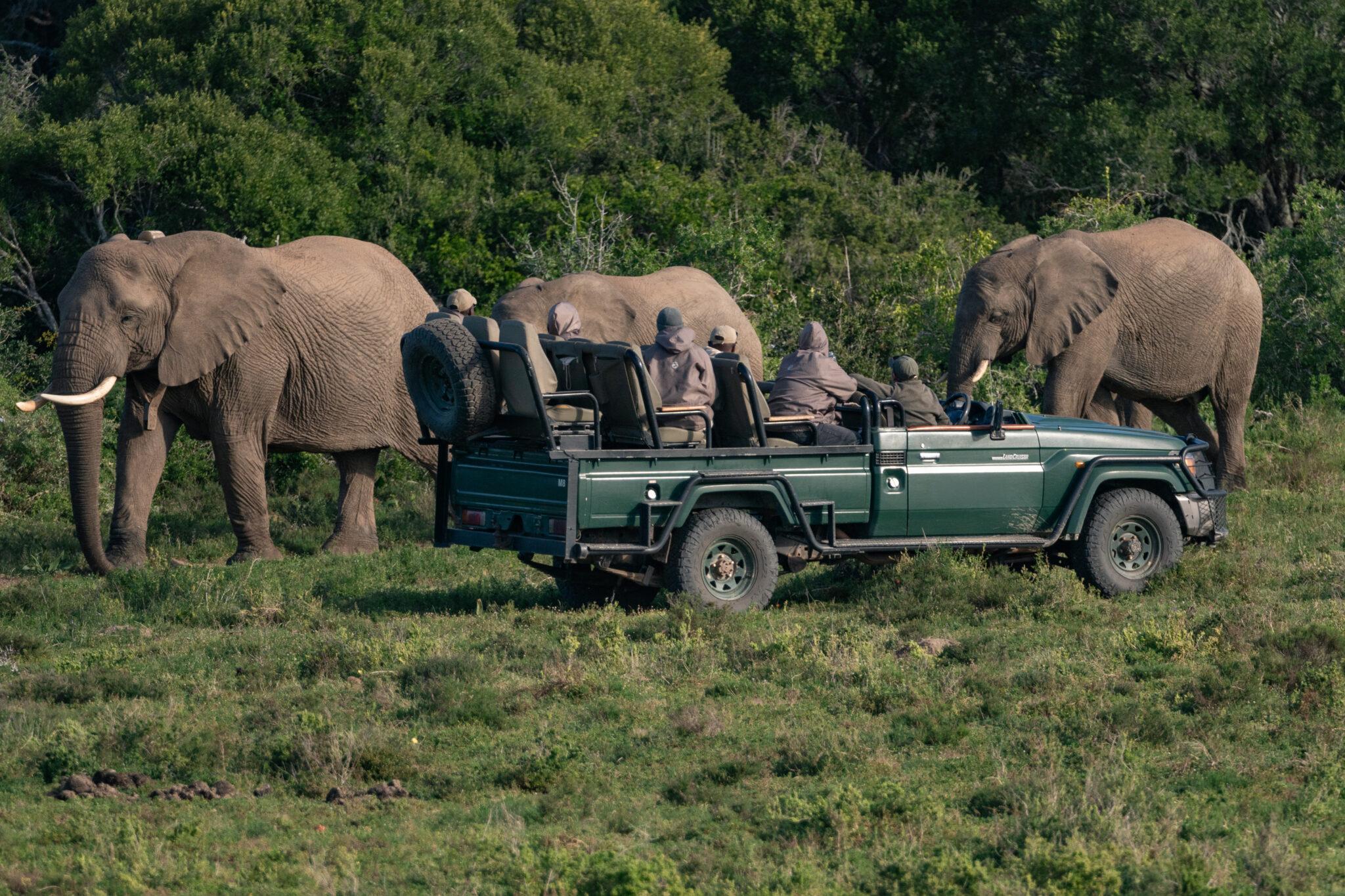
Elephants and Africa’s Tourism Economy
Africa’s wildlife tourism industry is one of the most powerful economic engines on the continent, and elephants stand at its heart. From the floodplains of Botswana’s Okavango Delta to the open savanna of Kenya’s Amboseli National Park, elephants are more than a conservation symbol. They are a measurable, irreplaceable driver of economic value. Understanding this relationship is essential for anyone invested in Africa’s future, including the businesses and partners who help make conservation possible.
A Multi-Billion-Dollar Industry Built on Wildlife
Wildlife tourism is the backbone of Africa’s tourism economy, contributing approximately $29.3 billion annually to Africa’s GDP, supporting roughly 3.6 million jobs, and accounting for an estimated 36% of Africa’s total tourism GDP.1 In individual countries, the scale is equally striking. South Africa alone employs 542,000 people in the tourism sector, with international receipts totalling US$4.77 billion annually.2 In Botswana, home to some of Africa’s largest elephant populations, tourism contributes an estimated 10–13% of GDP, heavily tied to wildlife.
‹ Back to previous page