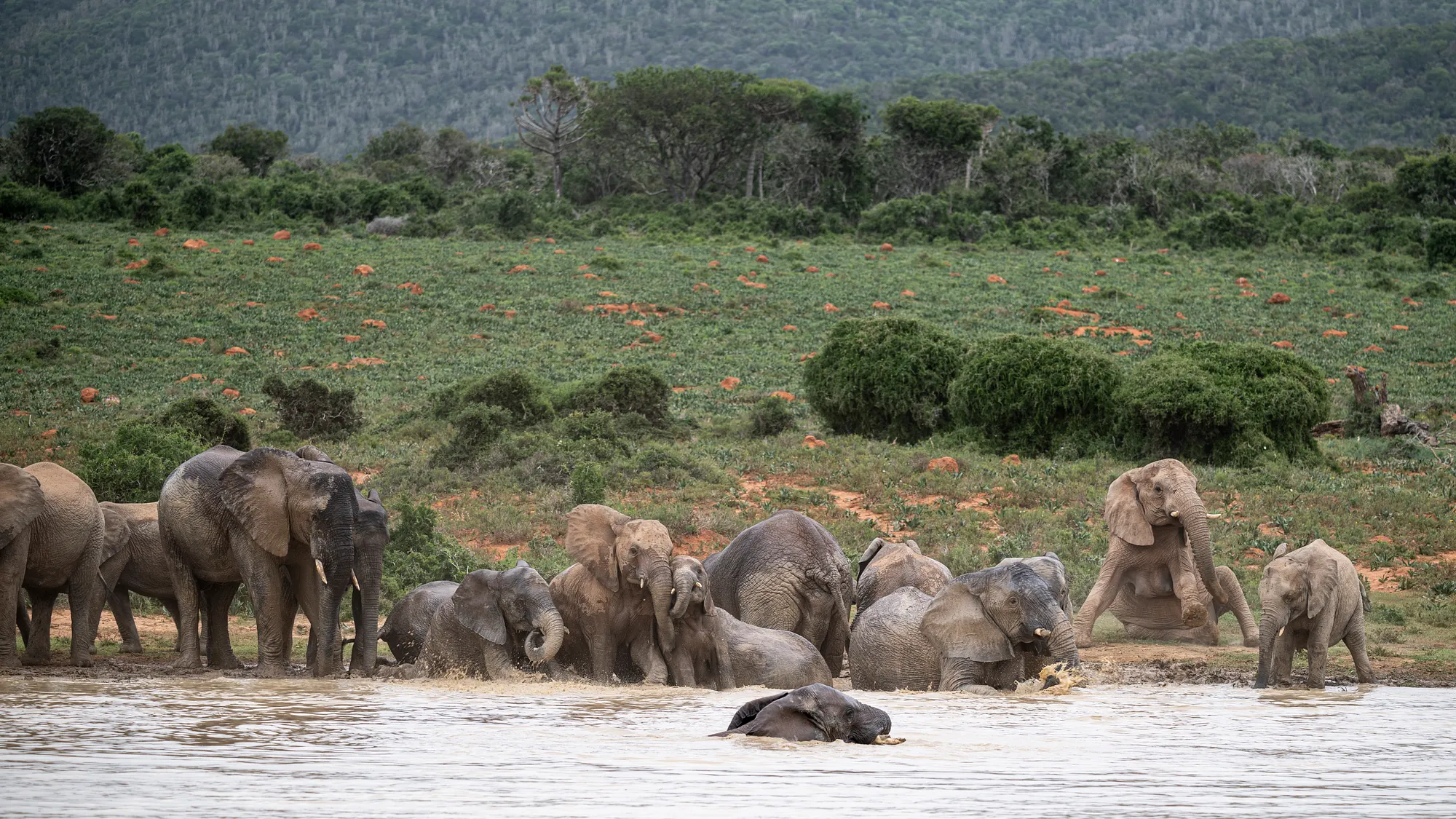
5 dingen die ik heb geleerd van olifanten: een blog door Lesli Woodruff
De afgelopen jaren heeft vrijwilliger Lesli meerdere keren als onderzoeksassistent bijgedragen aan het onderzoek van BTEH in Zuid-Afrika. In deze blog blikt ze terug op haar ervaringen met olifanten en verkent ze een vraag die haar al langere tijd bezighoudt: Wat kunnen we van de olifantenkudde leren? Lees verder en ontdek welke vijf lessen Lesli van de olifanten heeft geleerd. Je kunt haar blog ook via deze link lezen (in het Engels).
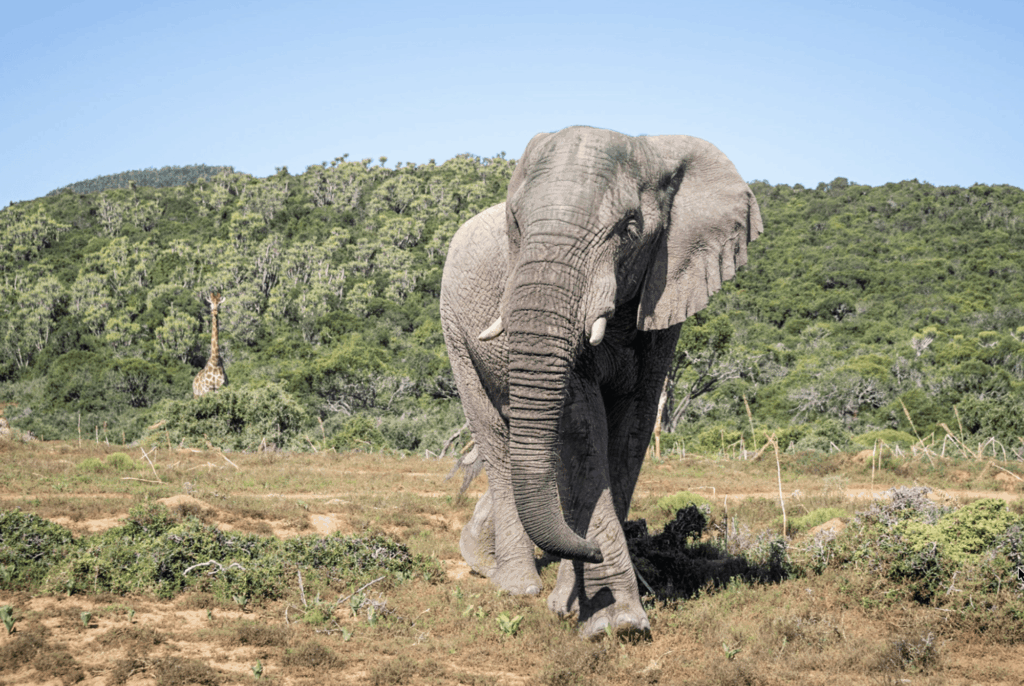
5 Things I’ve Learnt from Elephants
If you know me, you know that I have a small elephant problem. And it’s been a whirlwind month since I’ve been home from my last elephant adventure: Re-entry paralysis, software pre-release insanity (IYKYK), a legitimate offer for an early retirement, the election that may or may not literally alter the course of history…I don’t need to go on.
But this question has been churning around in the back of my brain since I came home: What can we learn from the herd?
I wrote an essay a few years back about my soul-dog, Gus, called “On messing up the bed and other things I’ve learnt from my dog”. It’s no secret that I’m a firm believer that we can learn a lot from the natural world by stopping, listening, watching, and just breathing it all in. So it’s about time for the elephant version.
Comparatively, I’ve spent a lot of time in Africa over the past few years, and a considerable amount of that has been in the presence of elephants. I feel ridiculously grateful for these opportunities, even as I leave I don’t know if or when I’ll go back. I’ll leave the science-y stuff to the professionals and write from my gut here.
What I’ve learnt from the herd
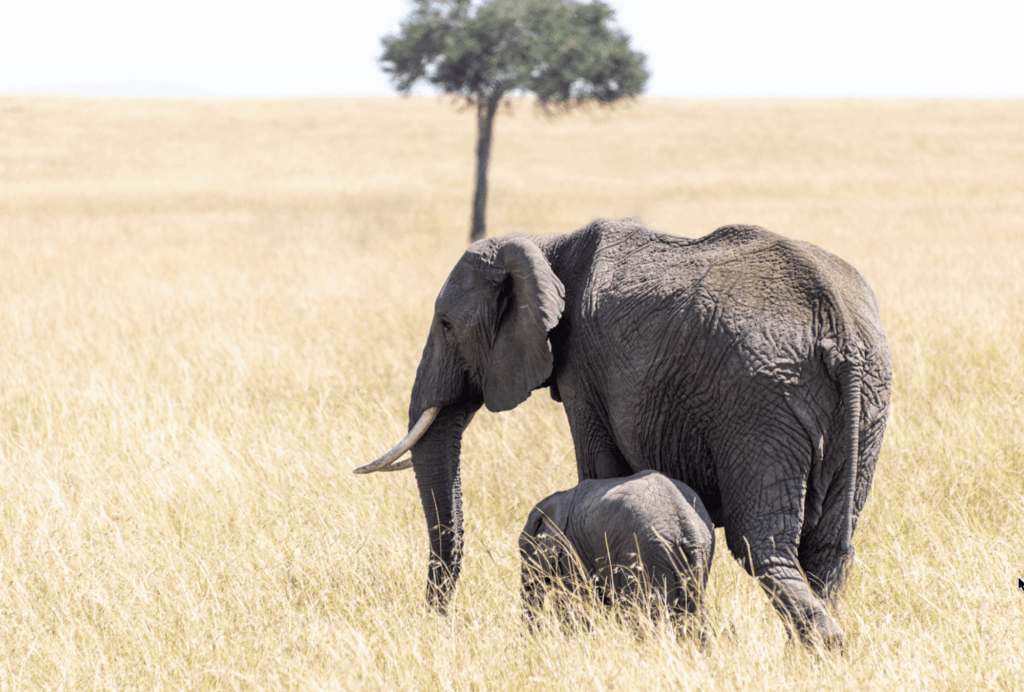
Strength is also about what you protect.
Elephants are possibly the most powerful animals on Earth, but so much of their energy is spent to protect the little ones, to support injured herd members, and in maintaining family bonds. They form a fortress around the babies when threats appear. They nurture their littles in community so they are safe as they grow strong. They use force when necessary, but emanate strength to protect those they love.*
We go farther when we remember where we’ve been.
Elephant societies depend on memory. Matriarchs carry decades of knowledge about water, drought, danger, and opportunity. The herd survives because someone remembers. This feels so relevant in a culture obsessed with image, when we can’t tell real from airbrushed, when we whitewash our past to project what we want people to see. Elephants teach us that experience and personal history isn’t baggage, it’s wisdom. I think that progress doesn’t come from forgetting the past, it comes from carrying our bumps, challenges, and lessons learnt into the future.
Community is a survival strategy.
As an introvert, I find this hard to wrap my brain around, but the more time I spend amongst herds, the one thing that is brilliantly clear is that elephants cannot function without their community. Research shows that when fences come down, social bonding increases and aggression decreases. Elephants thrive when connections expand rather than contract. So at the end of the day, belonging somewhere, even in small bull herds at the outskirts of the main herd, helps us prosper.
We need to make time to wander.
It’s no secret that I like to travel, and that I feel a sense of fernweh or far-sickness when I’m yearning to be anywhere but here. Elephants can travel up to 50km to find water in the dry season. Musth bulls travel nearly that much when they’re looking for a mate. In Dr. Brooke Friswold’s Fence Removal Enhances Elephant Movement paper, she talks about the fence removal project at Kariega and the benefits of having more room to roam. I’m increasingly bullish (pun intended) on the initiatives to drop fences and create wildlife corridors in a very bounded South Africa. Is there a lesson here that growth begins when we remove barriers rather than add more controls?
Never lose your capacity for wonder.
I’ve written about the awe of being in the presence of megafauna (elephants, whales, whale sharks, manta rays…), but I think we can find wonder not only in the things that stop us in our tracks, but in the things we stop in our tracks for. A rainbow, a drop of dew that bends the landscape, a dog running on the beach with his tongue out, birdsong in a pine forest. In a noisy, anxious world, awe can feel indulgent. Elephants suggest quite the opposite. They pull us out of ourselves and remind us that there are older stories, more intricate connections, and deeper rumbles than our daily first world worries.
I’m not sure when or where I’ll sit with elephants again, but I know they call. Maybe I can feel their rumbles deep in my bones. Maybe they’ve left me with sensory connections I can’t really find the words to describe.
* An aside: The Elephant Conservation and Research Fund has shirts and other swag that says “protect what you love”. Highly recommend.
If you’re interested in elephants and supporting an amazing research-based NGO, think about getting involved with Bring The Elephant Home. And thanks for reading! You can read more on my travel blog, and I’ve got a card shop on my website. A portion of my elephant art sales go to support BTEH.
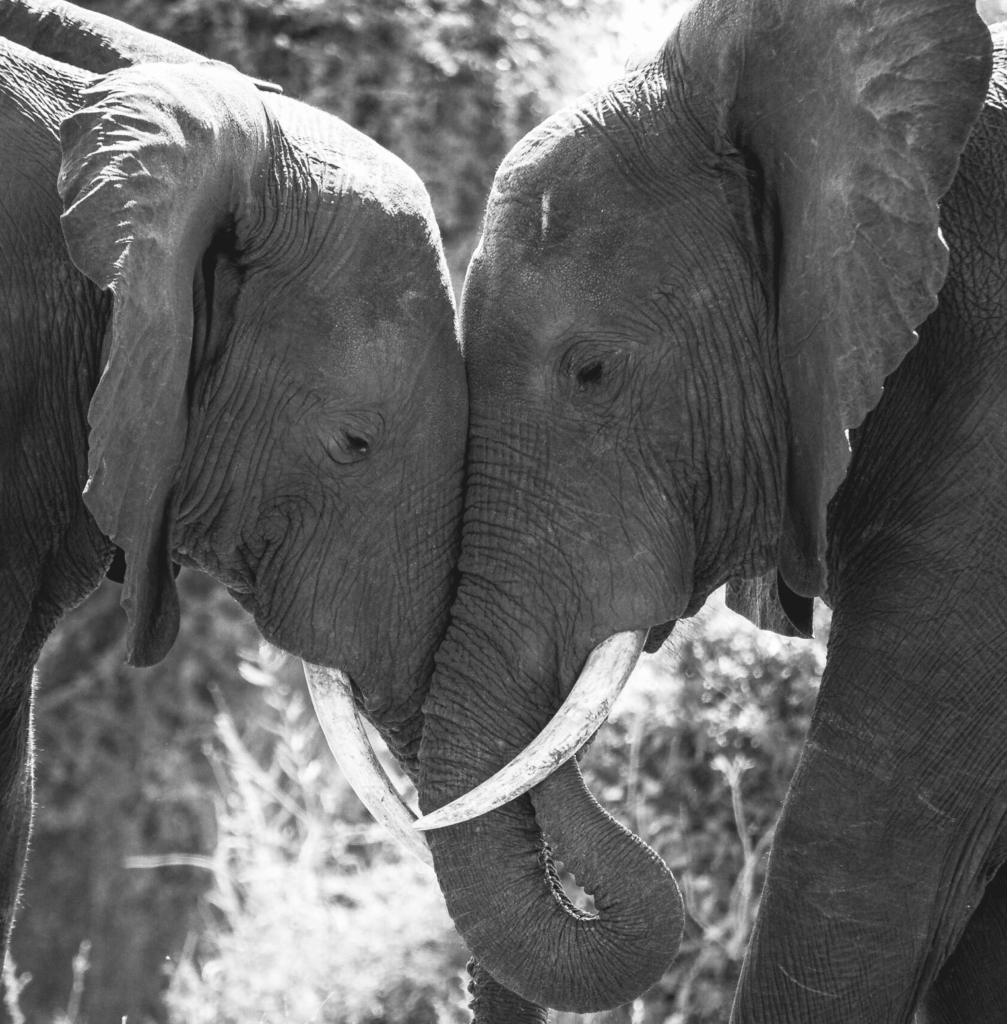
Dank je wel, Lesli!
Veel dank aan Lesli voor het delen van de waardevolle lessen die ze heeft geleerd tijdens haar tijd met olifanten. We zijn ontzettend dankbaar voor haar voortdurende inzet voor BTEH!
‹ Terug naar vorige pagina