How Regulation Can Improve Wildlife Tourism for Elephants
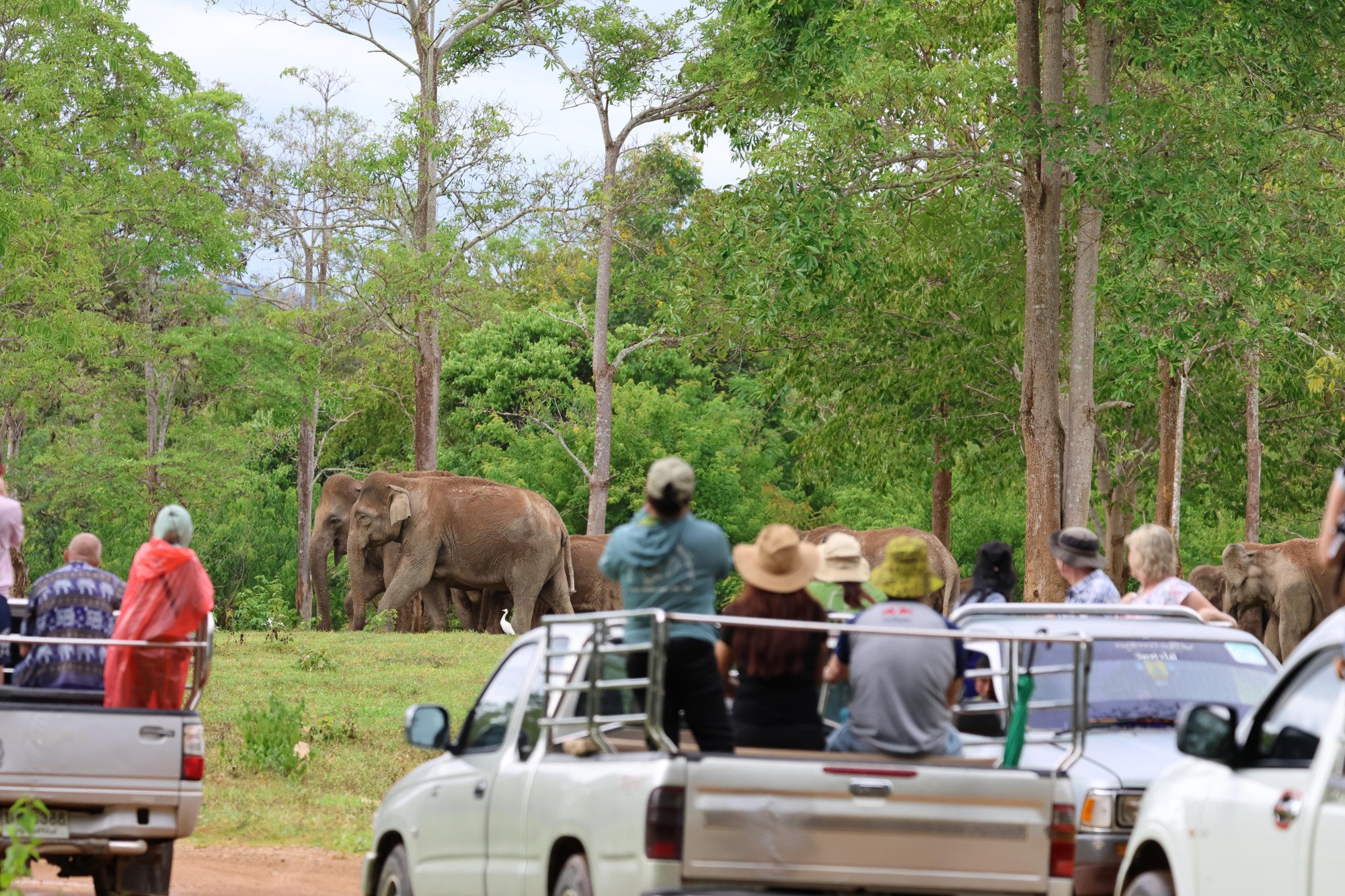
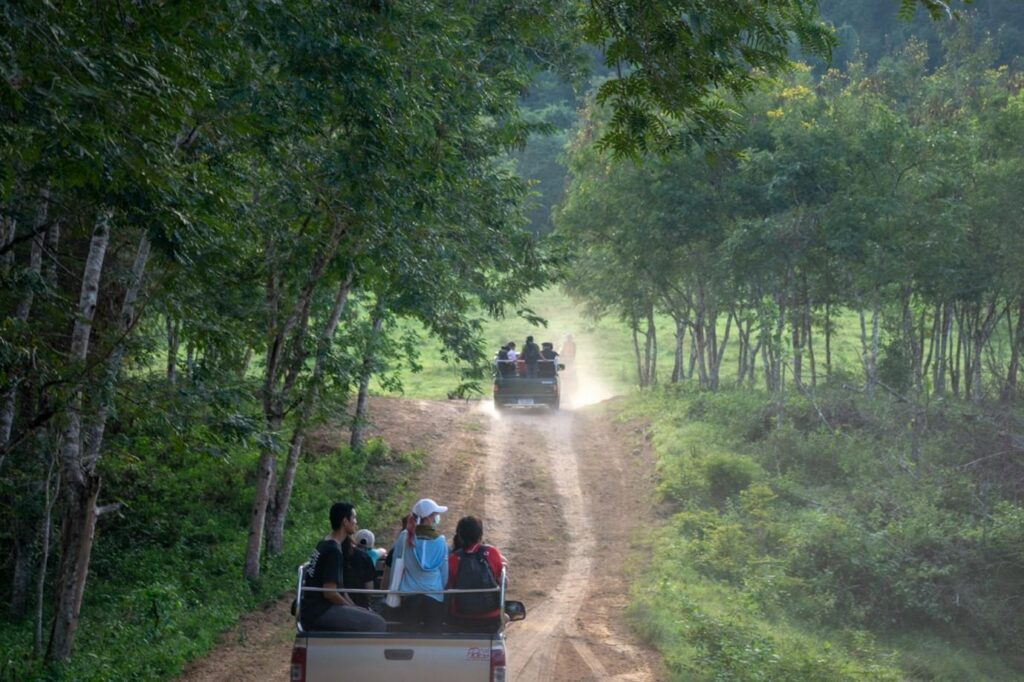
A line of safari vehicles approaches a herd of elephants that emerge from the forest in Thailand’s Kui Buri National Park. To tourists, it is a perfect wildlife encounter. But a new study by Friswold et al., (2026) shows that even seemingly harmless encounters can disturb elephant behaviour, unless appropriate guidelines are followed.
Evidence-Based Safari Guidelines
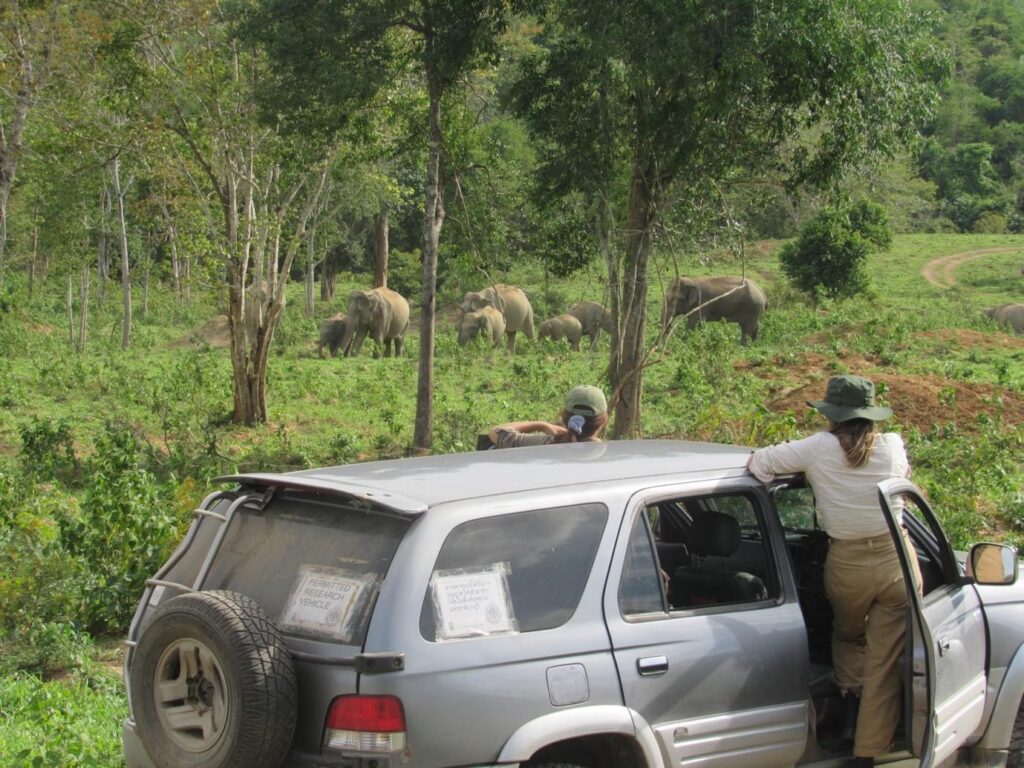
PhD Researcher, Brooke Friswold of King Mongkut’s University of Technology Thonburi (KMUTT) in Bangkok, together with colleagues at Bring The Elephant Home, identified clear behavioural thresholds at which elephants begin to exhibit disturbance-related or distrupted behaviour responses during safari viewing.
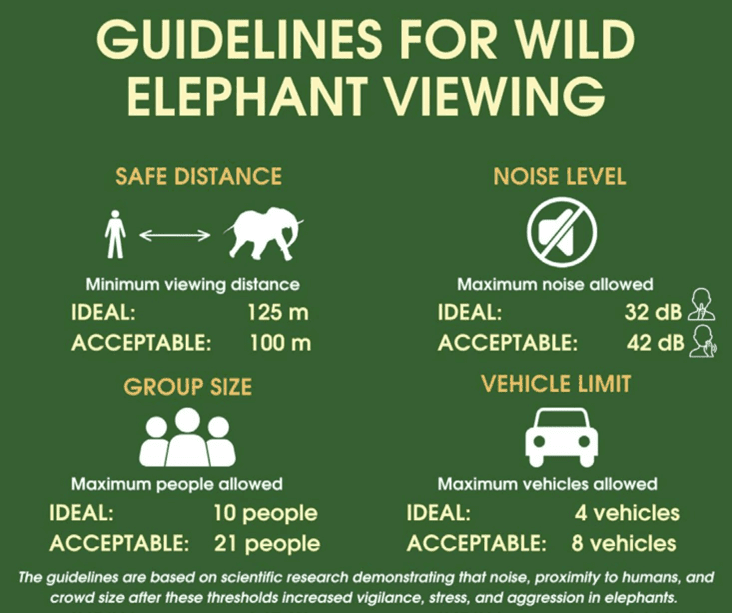
For example, at distances beyond 125 meters from people, elephants displayed natural behaviour, whereas within 100 meters, social behaviours declined and aggression increased. “I was really pleased with how clear and statistically significant the thresholds were,” says Friswold. “They were even more distinct than I had anticipated.”
These findings were used to develop evidence-based guidelines for wildlife viewing in Kui Buri National Park, defining both “ideal” and “acceptable” conditions for safari practices in the categories of:
1. Number of vehicles
2. Number of people
3. Distance from elephants to humans
4. Noise level
While ideal conditions aim to minimise disturbance, acceptable conditions provide practical flexibility without inducing significant behavioural stress.
The Shift in Elephant Tourism
These guidelines come at a time when elephant tourism is already changing. Activities such as riding and bathing elephants were once common, but growing awareness of their welfare impacts has shifted attention towards observing elephants in the wild.
While wildlife tourism has many benefits like protecting species, preserving habitat, and supporting local communities, little was actually known about its impacts on elephants and at what thresholds tourism encounters could be negatively impacting elephant behaviour, until now.
“Knowing that incomes and customer satisfaction are involved, people might not follow the ideal conditions. Giving an acceptable range creates a buffer zone without major impacts on the elephants” – Brooke Friswold
From Social to Disturbance to Aggression
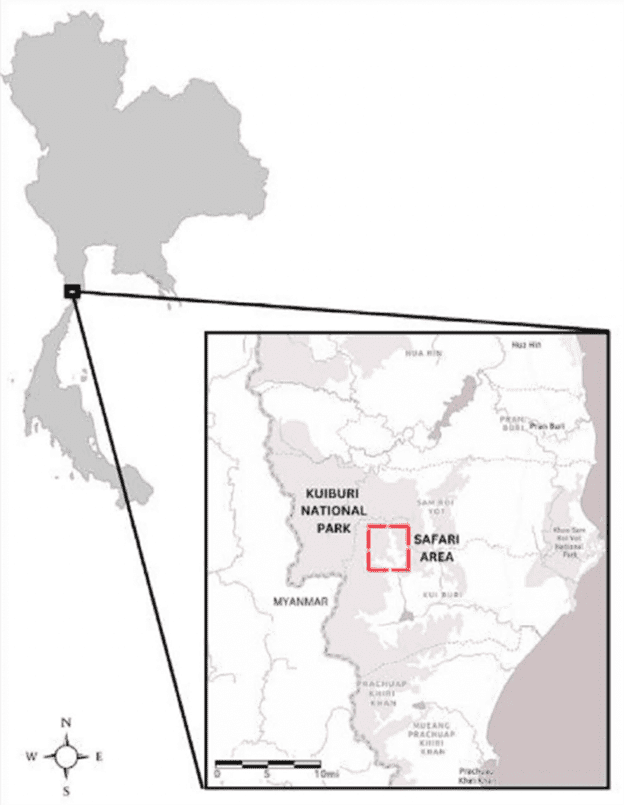
Kui Buri National Park in Thailand was an exemplary study location for the research, because it is home to around 350 elephants and was previously closed for certain periods in the year. This allowed for comparisons in elephant behaviour when tourists were present and when they were not, as well as at different levels of tourism intensity.
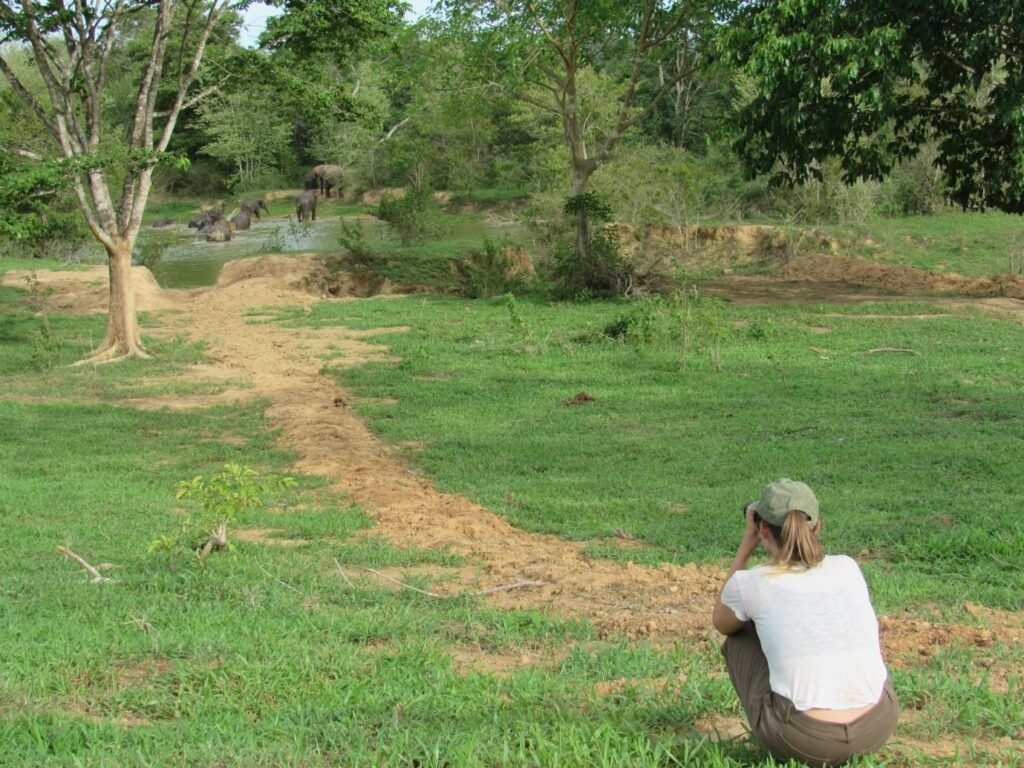
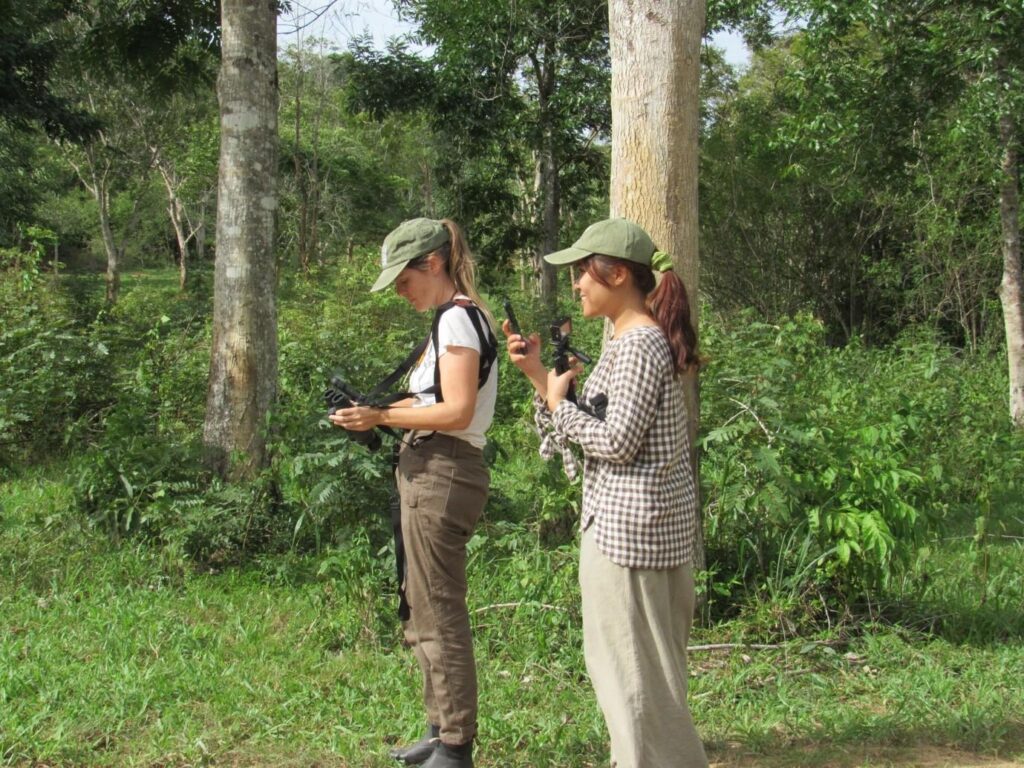
Between 2022 and 2024, Brooke Friswold, alongside research assistants, observed elephants along a safari route, viewing wild elephants, recording noise levels, the number of vehicles and people, distance to people, and other tourism-related variables as part of her PhD research. They then studied how these tourism variables affected elephant behaviour and identified the points at which their behaviour changed or was disrupted.
The results revealed a clear pattern: as tourists came closer and the number of people, vehicles, and noise levels passed a certain threshold, the elephants often first stopped engaging in social behaviours, which include playing, mating, and nursing. After that, they became more alert and showed signs of disturbance or avoidance and with even higher disturbance, they started to show signs of aggression.
A Look into the Future
Applying only the acceptable conditions in the park could already greatly benefit the elephants, as the researchers found that it could increase social behaviour by 35%.
Thailand currently lacks national regulations for wild elephant tourism, but these guidelines could help operators balance tourism with elephant well-being. It could also be applied in other regions where wild elephant safaris occur.
Although she still prefers a quicker transition, Friswold is optimistic about the future of elephant-friendly tourism. This is also in part due to a change in tourist perspective that plays a role. As Friswold concludes: “People are becoming more aware and I think that will continue.”
So, perhaps the true measure of elephant-friendly tourism is not how much we see, but how little we disturb and how much we allow natural behaviour to continue.
Concluding Remarks
A huge thank you to Jim Heintz for writing this article! If you are interested in the full published research by Friswold et al. (2026), you can find it here.
‹ Back to previous page