Advancing Human-Elephant Coexistence in Kui Buri
At Bring The Elephant Home, we envision a world where humans and elephants can thrive side by side. Achieving true human-elephant coexistence is a complex puzzle—one that requires cutting-edge technology, rigorous scientific research, and, most importantly, deep-rooted community trust. Today, we are proud to report on the progress of our elephant research programme, which would not be possible without the support of our dedicated partner.
Grateful for the Support for Asian Elephant Conservation
We would like to express our heartfelt gratitude to our supporters for funding and highlighting our human-elephant coexistence work in Kui Buri, Thailand. Our supporters have been absolutely key to implementing this important project, providing the resources and momentum needed to drive impactful change on the ground.
The agricultural lands surrounding Kuiburi National Park are vital for local livelihoods, but their proximity to the park’s boundaries often leads to crop-foraging incidents. Thanks to our funders, our team has transitioned from reactive measures to a data-driven coexistence strategy.
Specifically, this critical funding helps us strengthen four core areas of our field operations:
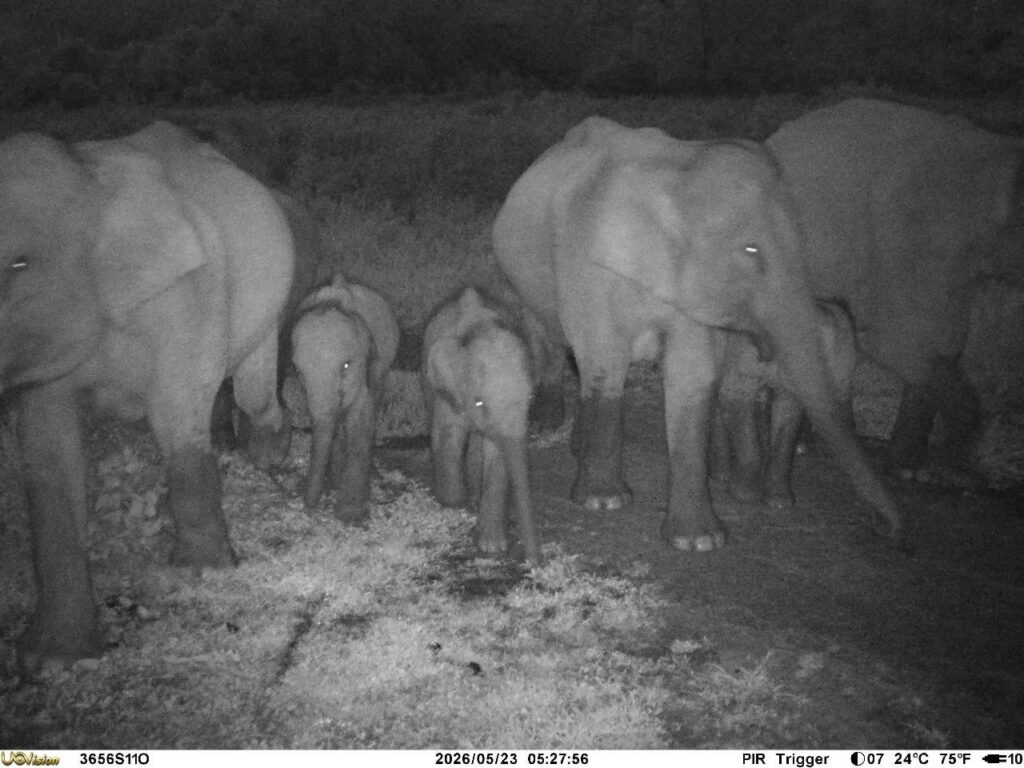
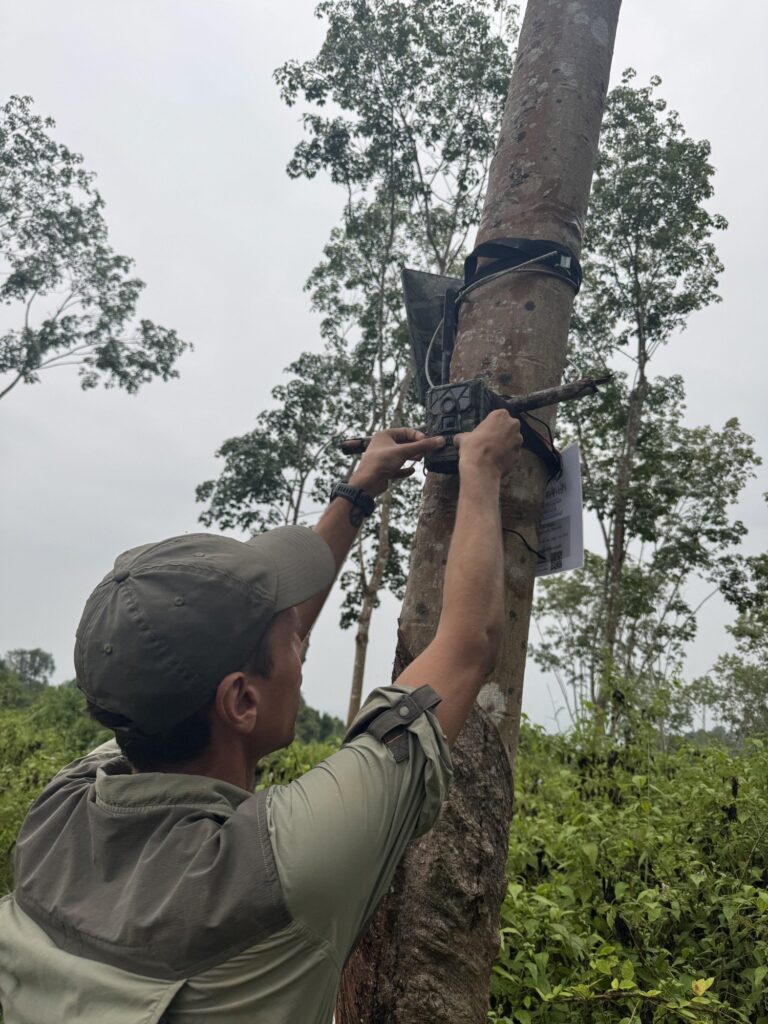
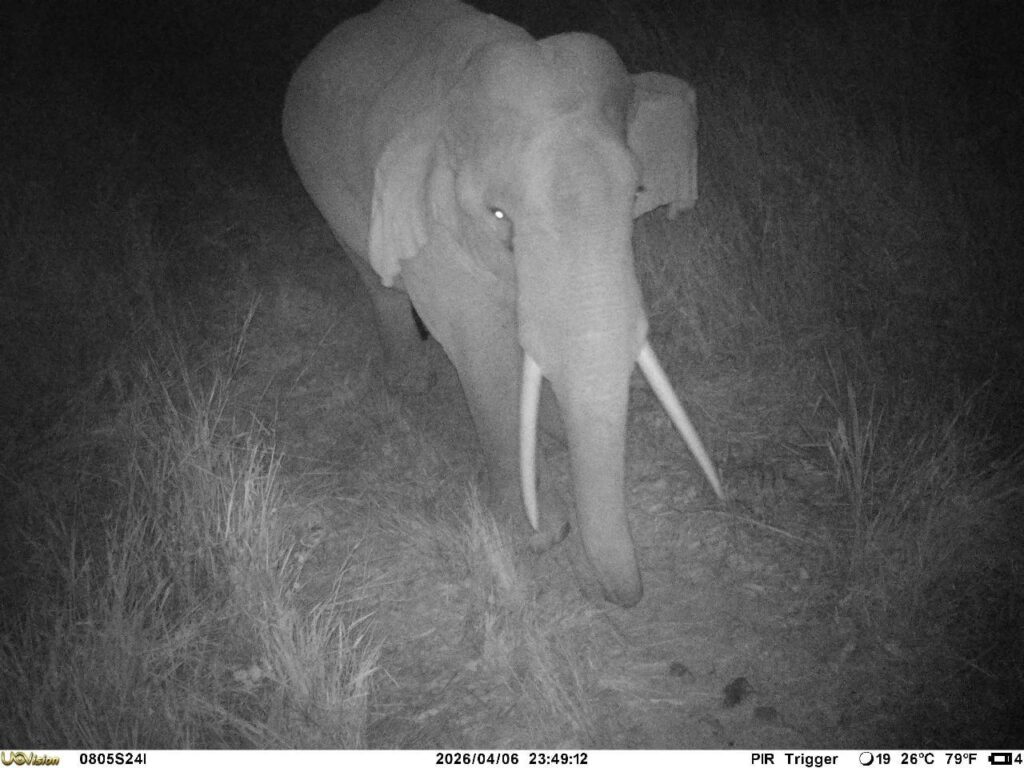
- Expanded Early Warning Systems & Real-Time Alerts: We have expanded our reach to protect local agriculture, with 18 farms now fully equipped with early warning system cameras. This critical setup provides real-time alerts of elephant detections across the north, central, and south crop damage hotspots bordering Kuiburi National Park, enabling quicker responses, smarter patrols, and immediate crop protection.
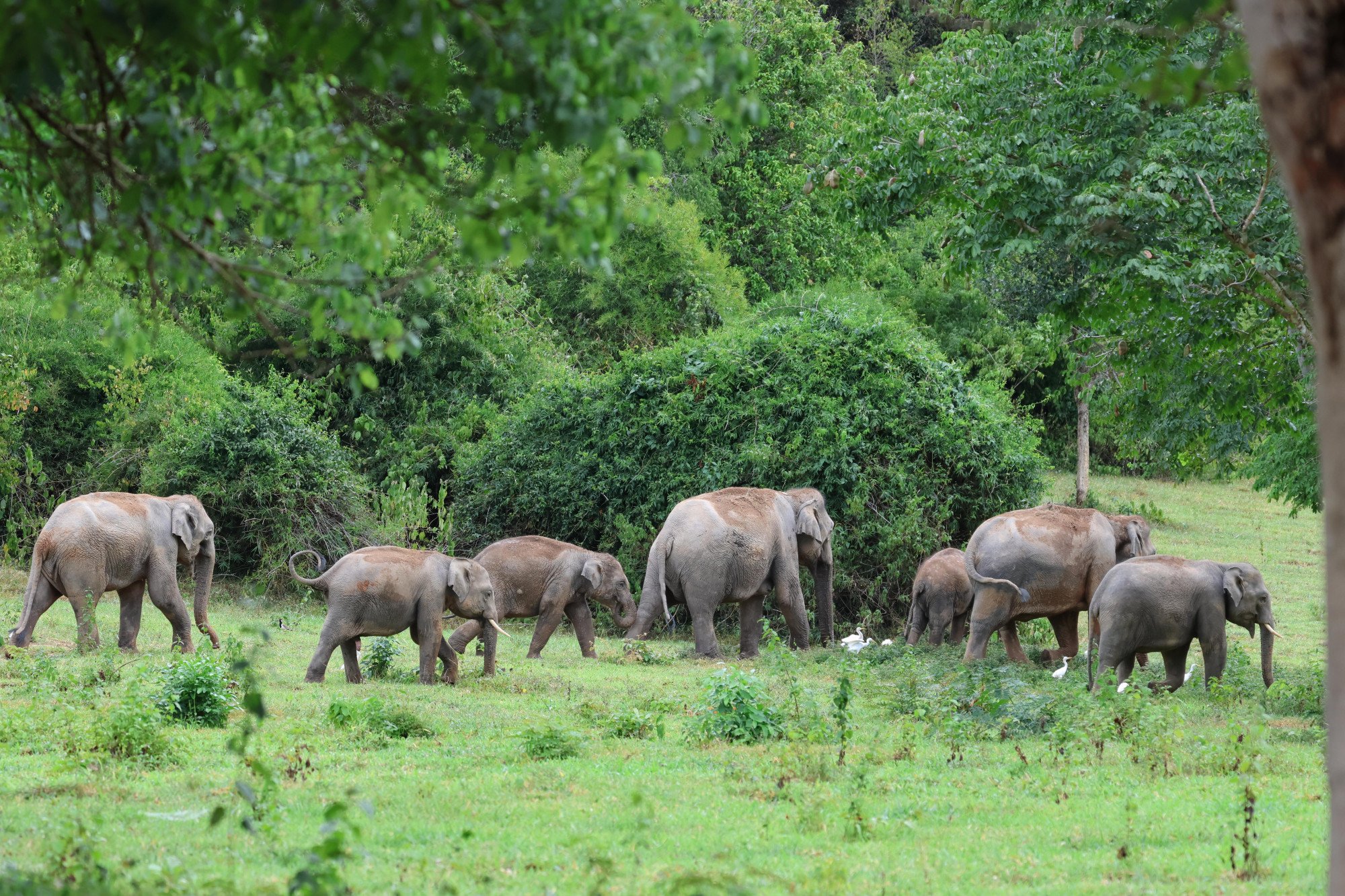
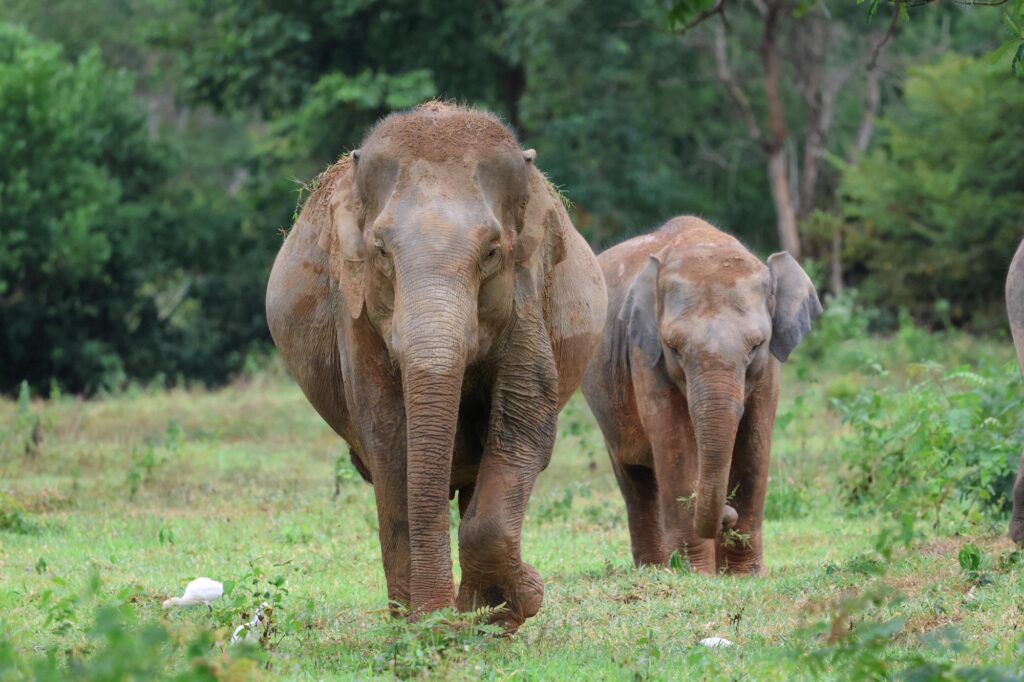
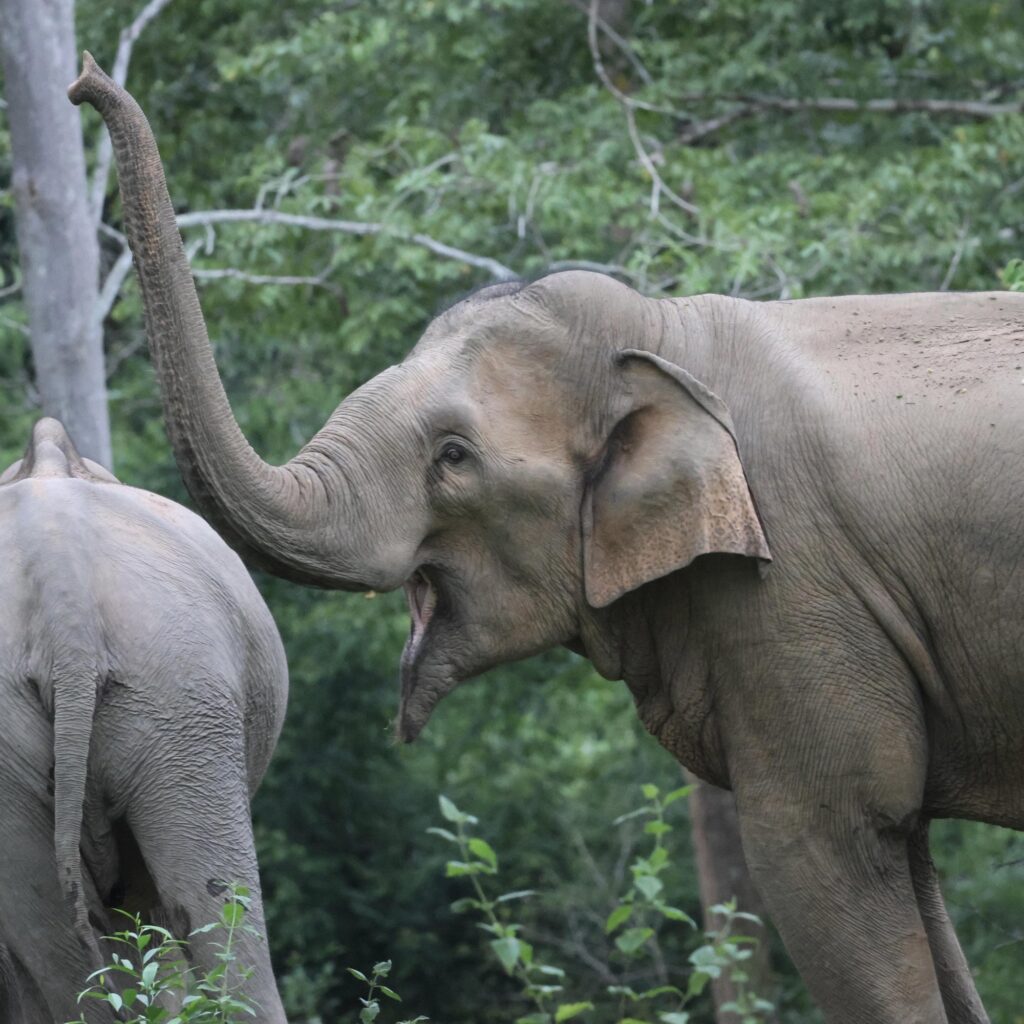
- In-Depth Individual Elephant Identification: Every elephant has a unique personality and behavior pattern. Our growing database now includes 75 males and 67 females (focusing on sub-adults aged 9-14 and adults aged 15+). By factoring in the juveniles and calves detected alongside these identified females, we are now actively monitoring approximately 200 elephants—a significant portion of Kuiburi National Park’s estimated total population of 237-350 individuals.
- Extensive Field Research & Behavioral Tracking: Between September 1 and May 31, our team dedicated 828 hours across 135 days inside Kuiburi National Park searching for elephants and gathering vital data. During this period, we successfully collected 564 focal behavior samples, totaling 141 hours of detailed elephant behavior data. This powers the development of our digital field guide, empowering rangers and local guides to recognize individual elephants in real time by unique features like their ears, tails, and tusks.
- Enhancing Ranger Capacity: Park rangers are on the front lines of conservation. The grant supports their capacity by integrating innovative tools into their nightly routines, allowing them to monitor elephant movements safely and guide them peacefully back toward the forest.
Minutes Matter: Technology in Action
The real-world value of this early warning system is best demonstrated by how quickly it translates data into safety. The following sequence of photos captures the immediate impact of this work on the ground:
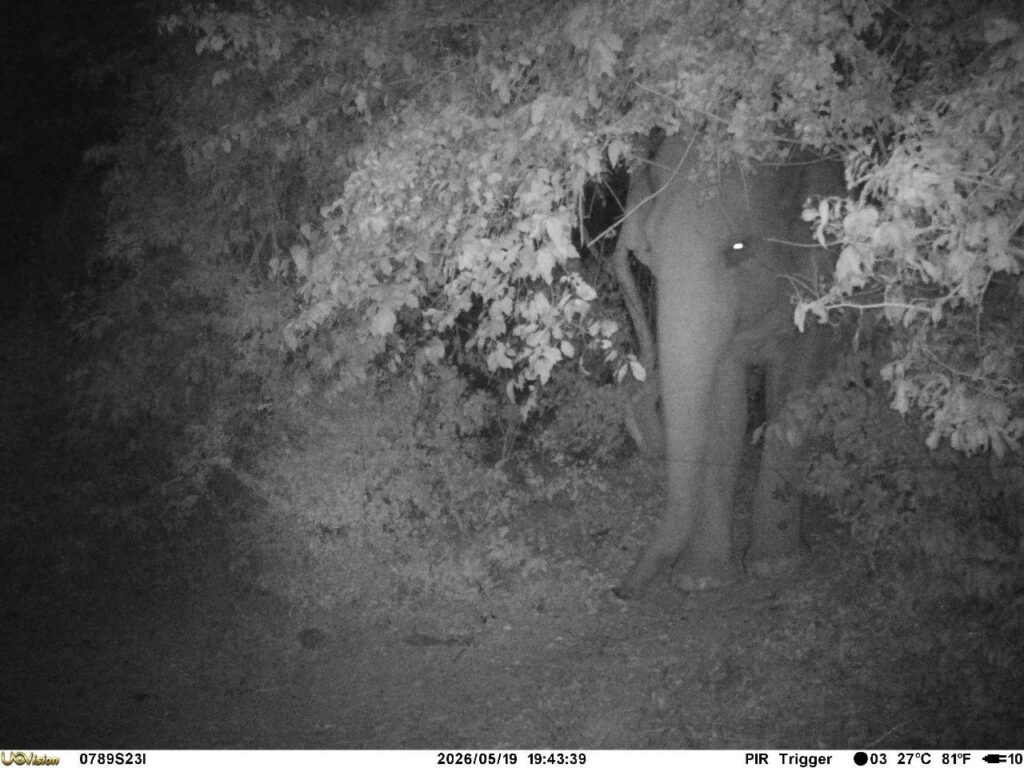
Image 1: An AI-assisted camera trap detects an elephant entering a vulnerable farm area at night, instantly triggering a real-time SMS notification.
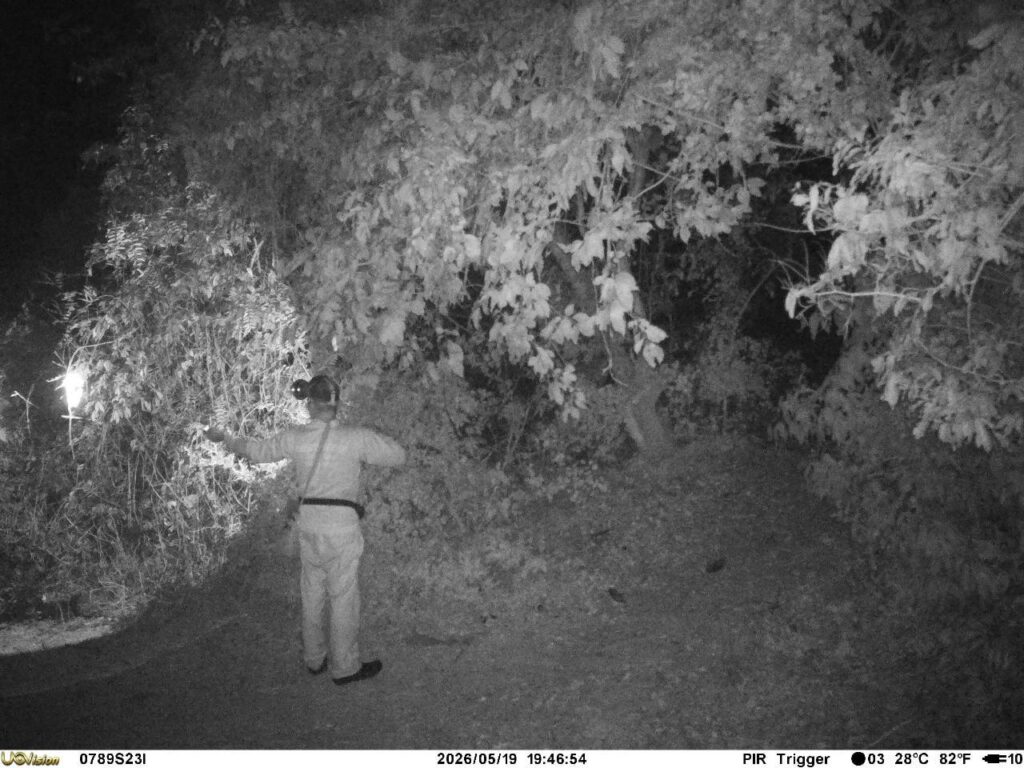
Image 2: Just three minutes after the initial automated detection alert, the ranger response team arrives on-site to guide the elephant safely back toward the forest.
This remarkably tight window proves how seamless tech-integration cuts response times down to minutes, actively preventing crop damage and reducing conflict hot-spots before they escalate.
Bridging Science and Action: Ave Owen’s PhD Research
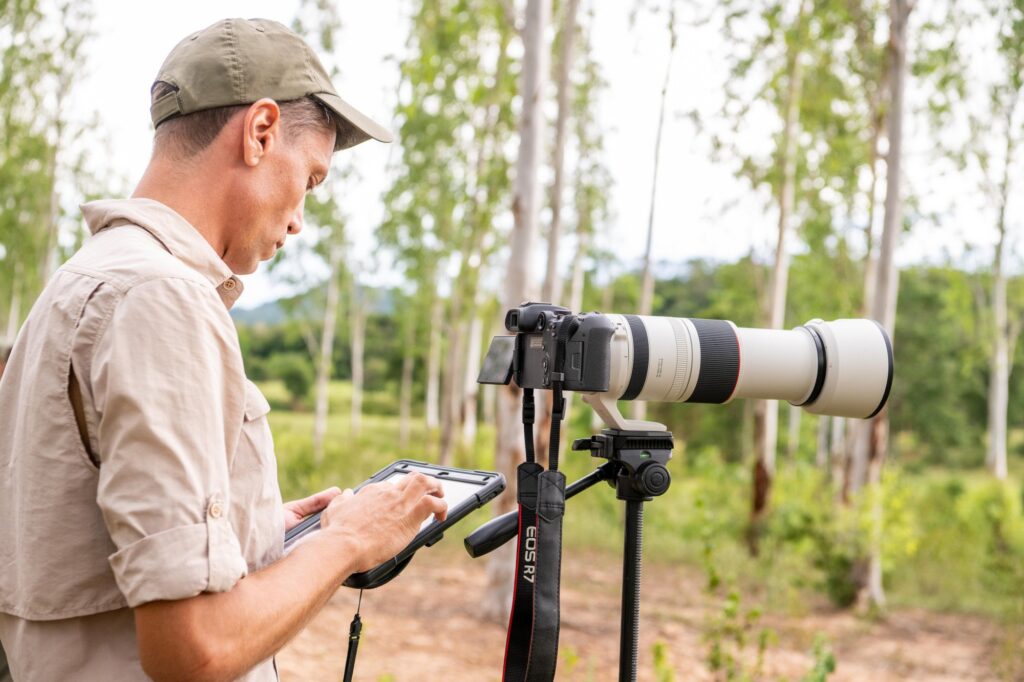
This project does not operate in a vacuum; it forms an integral part of Ave Owen’s PhD research. By linking real-time field data with academic analysis, the study offers a deeper look into elephant personalities and foraging behaviors. This knowledge allows us to design long-term, specialized mitigation strategies that respect both the needs of the farmers and the welfare of the elephants.
Acknowledging Our Partners
This research is supported by The Rufford Foundation, CSS Asian Elephant, Cincinnati Zoo & Botanical Garden, Abri voor Dieren Foundation, IDEA WILD, and Lucie Burgers Foundation. Their vital funding enables the long-term monitoring that actively contributes to human-elephant coexistence on the ground.
Grateful for Collaboration
We are profoundly grateful for this support from all our funders and for the inspiring opportunity to involve local stakeholders so deeply in this journey. By working together, we are turning conflict hotspots into safe, shared spaces, proving that technology and community dedication can pave the way for true coexistence.