Elephant Identification
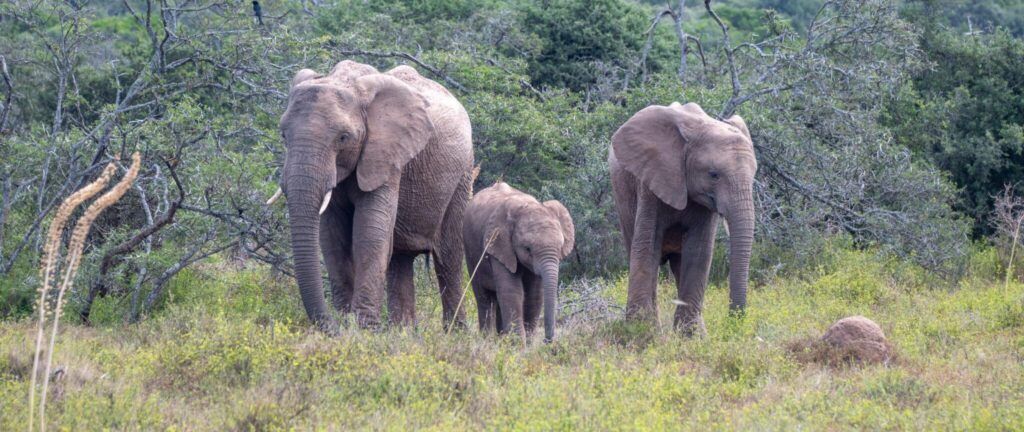
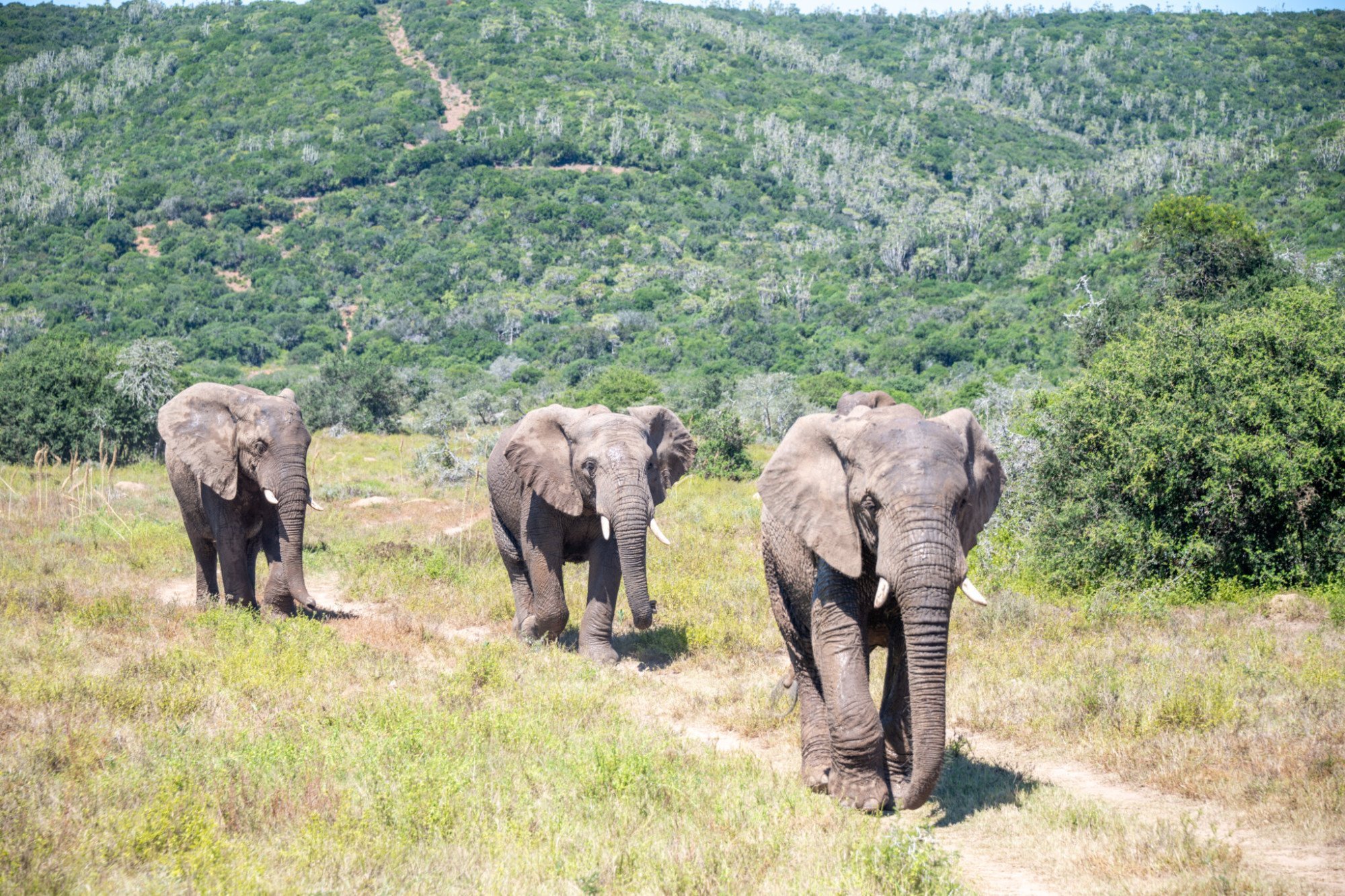
Recognising individual elephants is essential for understanding their lives, movements, social relationships, and conservation needs. Through elephant identification, BTEH builds long-term knowledge of individuals and herds across different landscapes, strengthening our researchers and enabling other researchers and conservation partners to make better-informed decisions.
Identification Methods
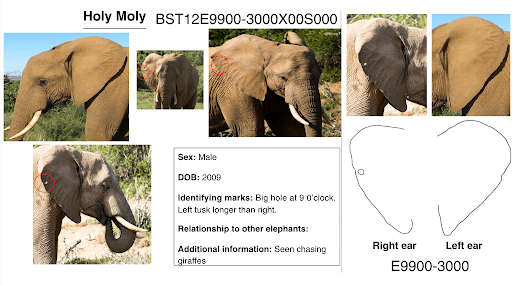
Our identification work combines traditional field-based methods with new technology. Initially, we identified elephants using ear patterns, tusks, tail features, scars, and other distinguishing characteristics. These records are organised into individual profiles that can be used to track elephant presence, group composition, movement patterns, behaviour, and changes over time. This old system was tedious and time-consuming, leading BTEH to collaborate with technology partners to streamline this process.
Collaborations
In collaboration with Microsoft AI for Good Lab and WildMe/Wildbook, BTEH is helping to advance AI-assisted elephant identification. By combining field photographs, individual ID codes, and machine-learning tools, we aim to make elephant monitoring faster, more accurate, and easier to use across different conservation sites by creating and deploying the first-ever Elephant Identification App.
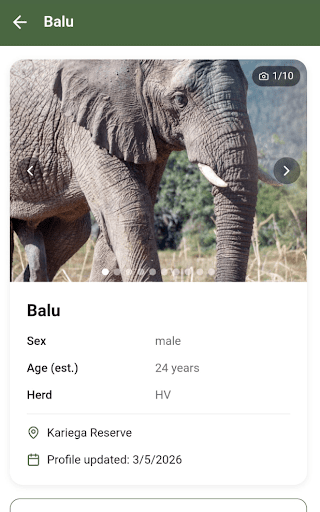
Why is this important?
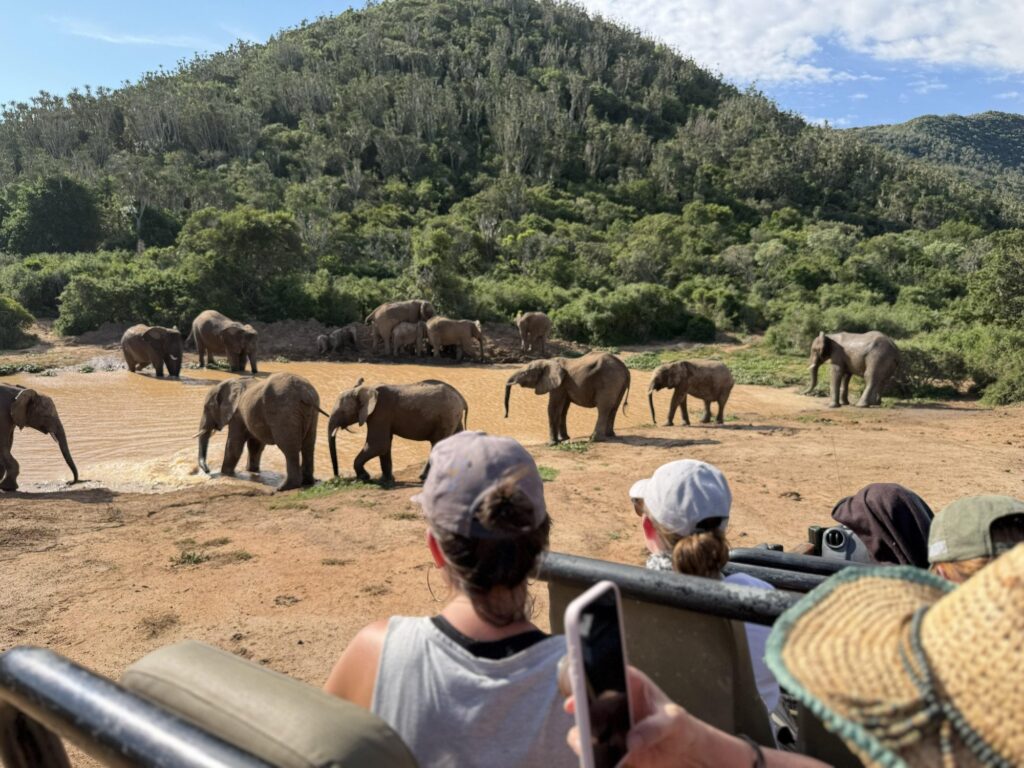
This work supports non-invasive monitoring of elephant populations without the need for collars or direct intervention. It can help identify important movement routes and habitat use, assist vets and managers in providing care and interventions, understand social dynamics, detect changes in behaviour and support long-term conservation planning.
By recognising elephants as individuals, BTEH strengthens conservation approaches that are both scientifically grounded and centred on elephant well-being and evidence-based research.