Kenya
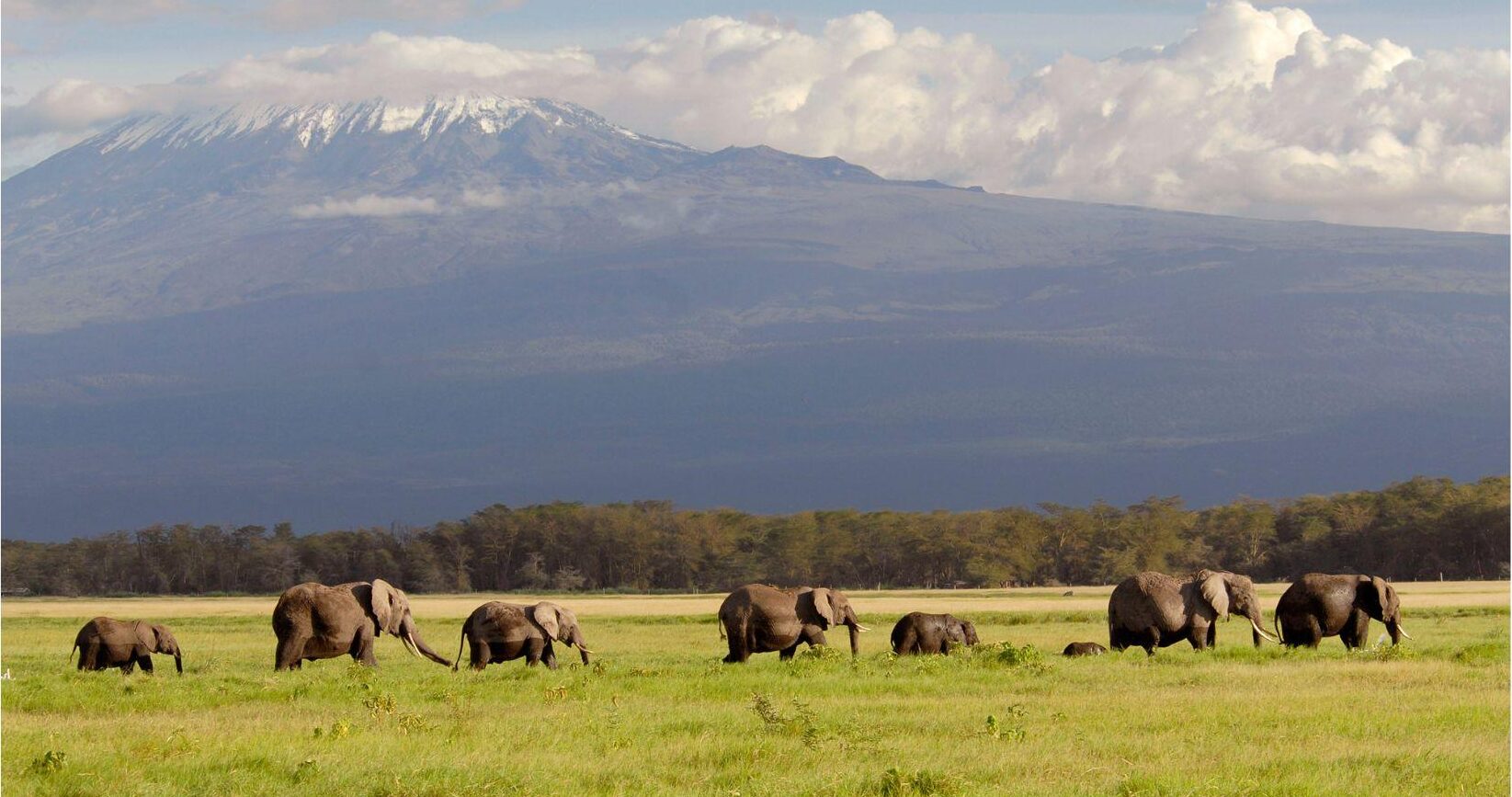
In the Amboseli ecosystem in Kenya, elephants move across a mosaic of protected areas, conservancies, community lands, farms, and water sources. These transition zones are essential for elephant movement and habitat connectivity, but they are also places where elephants are understudied and where people increasingly share space with them.
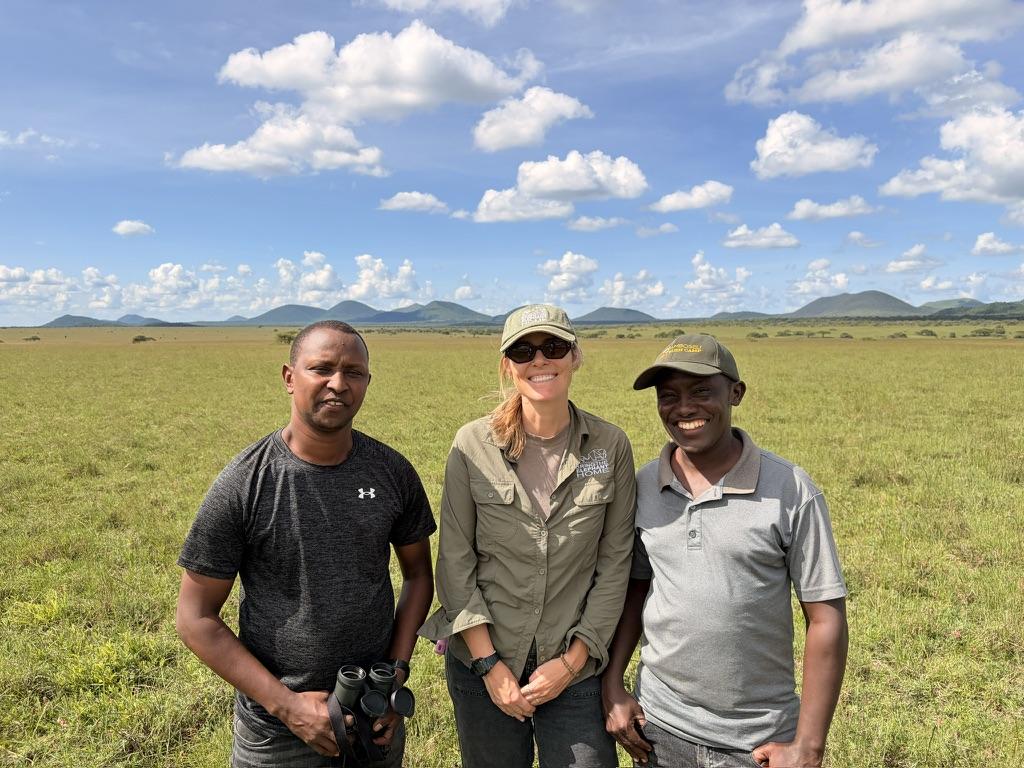
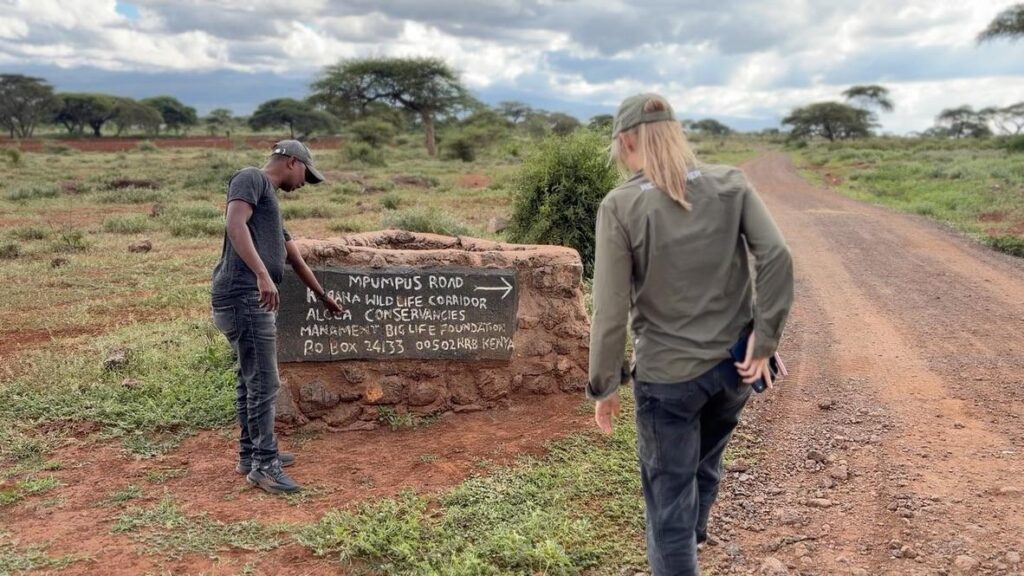
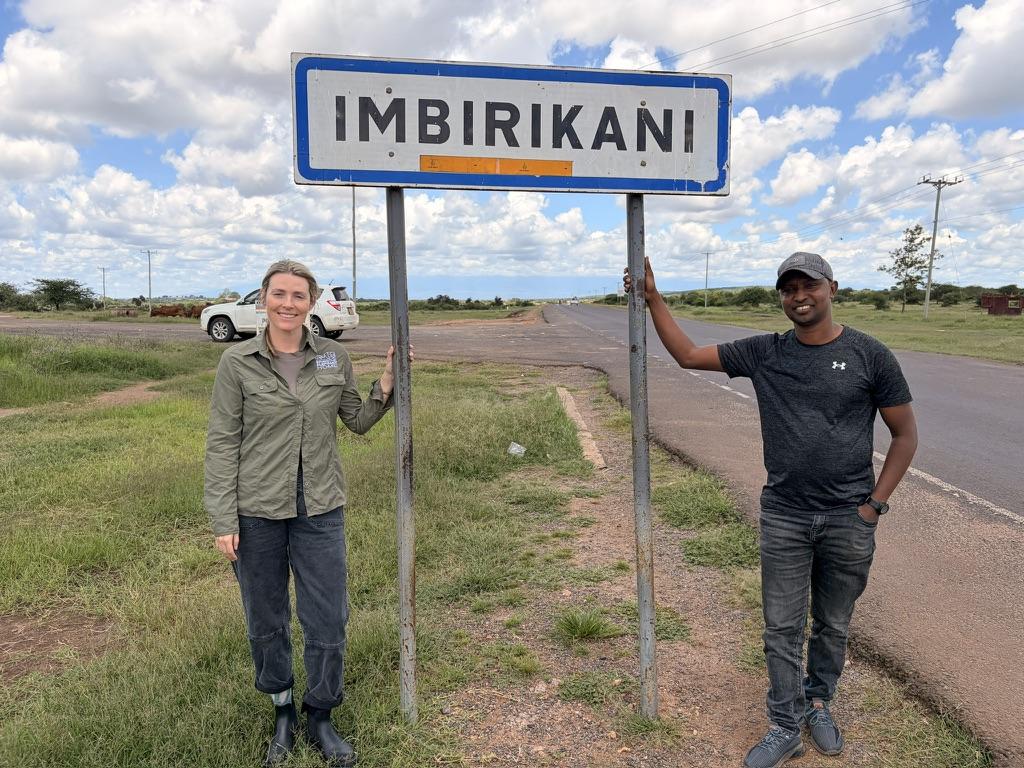
Together with OREMIT Organization, Kenya Wildlife Service, Wildlife Research Training Institute and local stakeholders in Imbirikani Ranch, BTEH is developing a non-invasive research and coexistence project to better understand elephant behaviour, movement, habitat use in transitional boundary zones outside Amboseli National Park and their interactions with people. Through field observations, camera traps, elephant identification, community questionnaires, and participatory workshops, the project will increase locally relevant and ecological knowledge of local elephants and identify priority areas and approaches for conservation application and coexistence solutions.
The project will also support community-led test sites around farms and water access points, where locally appropriate strategies can be co-developed, tested, and refined. These may include improved irrigation canal design, nature-based deterrents such as beehive fencing, and other practical approaches that reduce conflict risk while supporting livelihoods and elephant well-being, informed by an understanding of the local elephant population to drive solutions and approaches.
By combining ecological research with community knowledge and practical action, this project aims to strengthen understanding of elephants in the Amboseli ecosystem and human–elephant coexistence, inform conservation planning, and support connected landscapes within the Amboseli ecosystem.