Finding My Way Back: A Blog by Joy Mortiaux
From September 14 to 24, Bring The Elephant Home wrapped up a deeply meaningful chapter with our final volunteer research expedition at Kariega Game Reserve in South Africa. A passionate team of 8 volunteer research assistants joined us in the field to study elephant behavior and refine individual identification methods. Volunteer Joy Mortiaux shares her personal journey in the blog post below.
Looking Back
I’m writing this blog exactly one year after booking my first plane ticket to South Africa. Little did I know back then just how much that planned May vacation would set in motion. I smile as I look at the poster of an elephant that I bought during that trip, now framed on my desk. A little wink from my “future self,” perhaps?
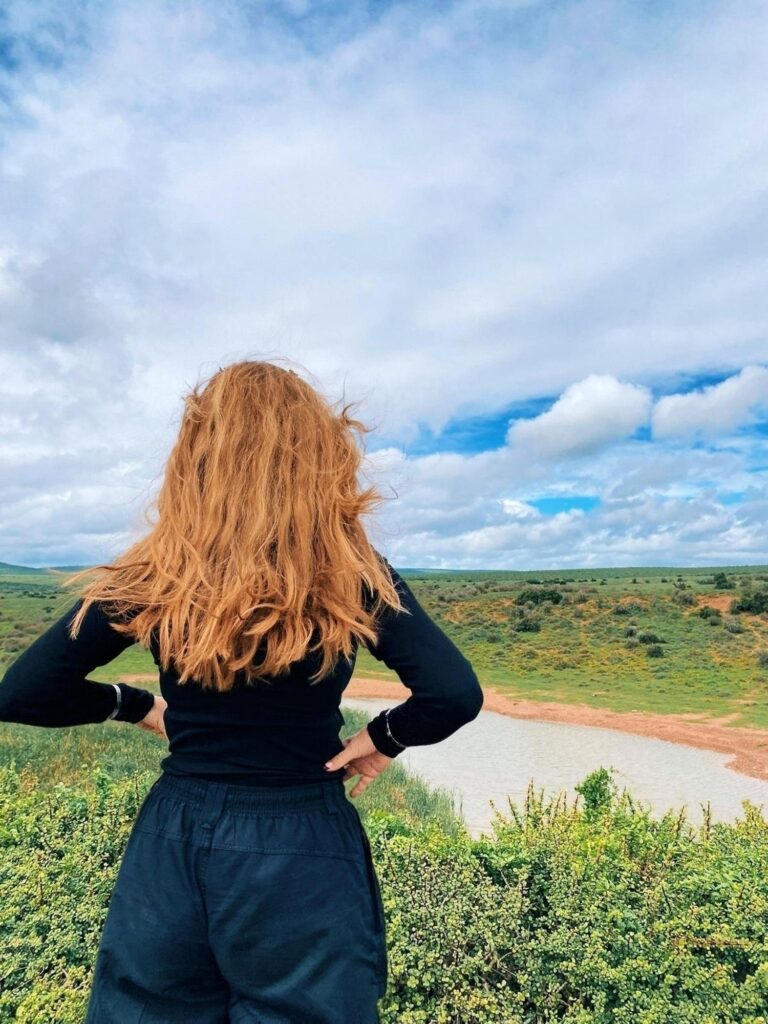
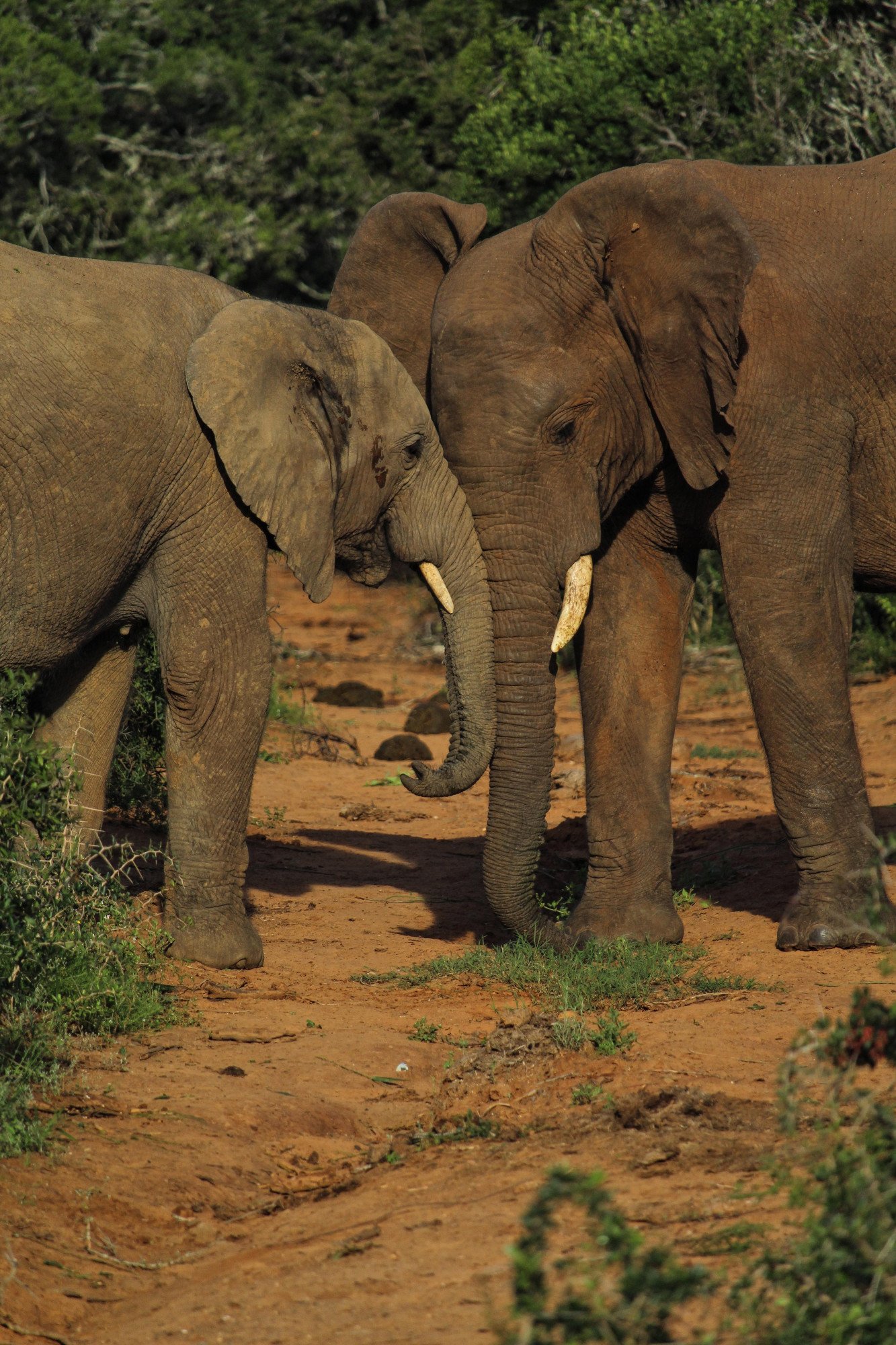
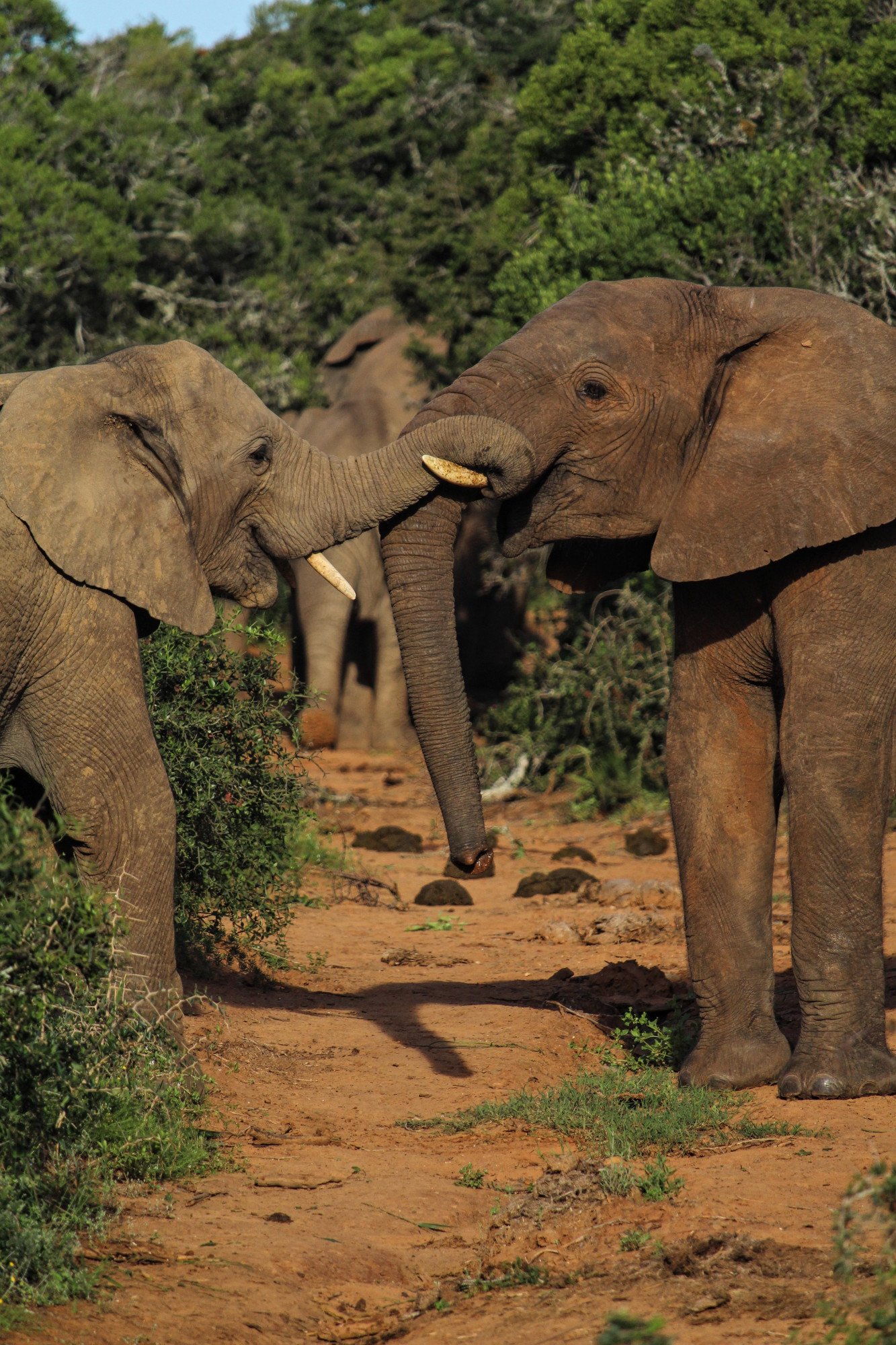
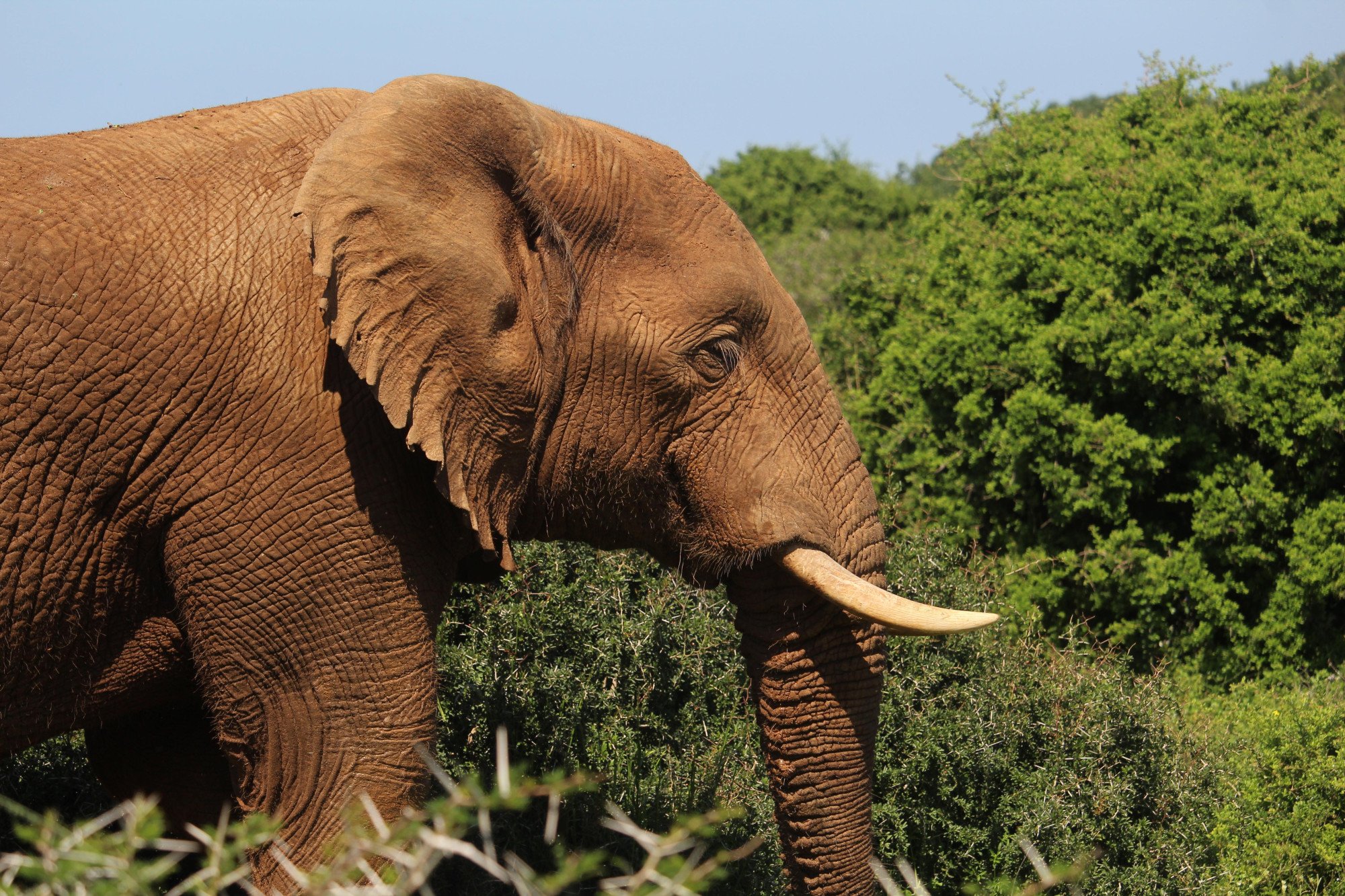
I’m lucky to have had the opportunity to travel quite a bit, but I still remember vividly how I felt every fiber of my being during those first few minutes of driving through the African wilderness. A sense of calm washed over me, something I hadn’t known existed, let alone that I needed. In the days that followed, I unexpectedly fell in love with elephants. I have to admit that beforehand, I was looking forward to the big cats the most. While they certainly took my breath away, it was the elephants who gave me breath. Elephants have an almost unshakable calm. They stand tall and firmly grounded, yet it’s their endless gentleness that you feel. An intimate combination for which I still haven’t found the right words; a privilege to witness. Not knowing if or when I would get to feel this again, I cried when I had to leave that wilderness behind.
A New Adventure
The period that followed wasn’t easy. Imagine missing something you know you won’t find back home. I knew two things for certain: (1) I wanted to go back, but not just as a tourist, and (2) I wanted to make a difference for animals. After some searching, I came across Bring The Elephant Home. In June, barely back from my vacation, I applied for their September research program. I still remember the application form. Apart from my love for animals and my motivation to help, I could hardly check a single box when it came to experience. It was a blog by a previous participant that convinced me to apply anyway. She, too, had joined without any relevant experience (at least at first glance). A few days after my interview with Brooke, BTEH’s regional director for Africa, I received the good news that I could join.
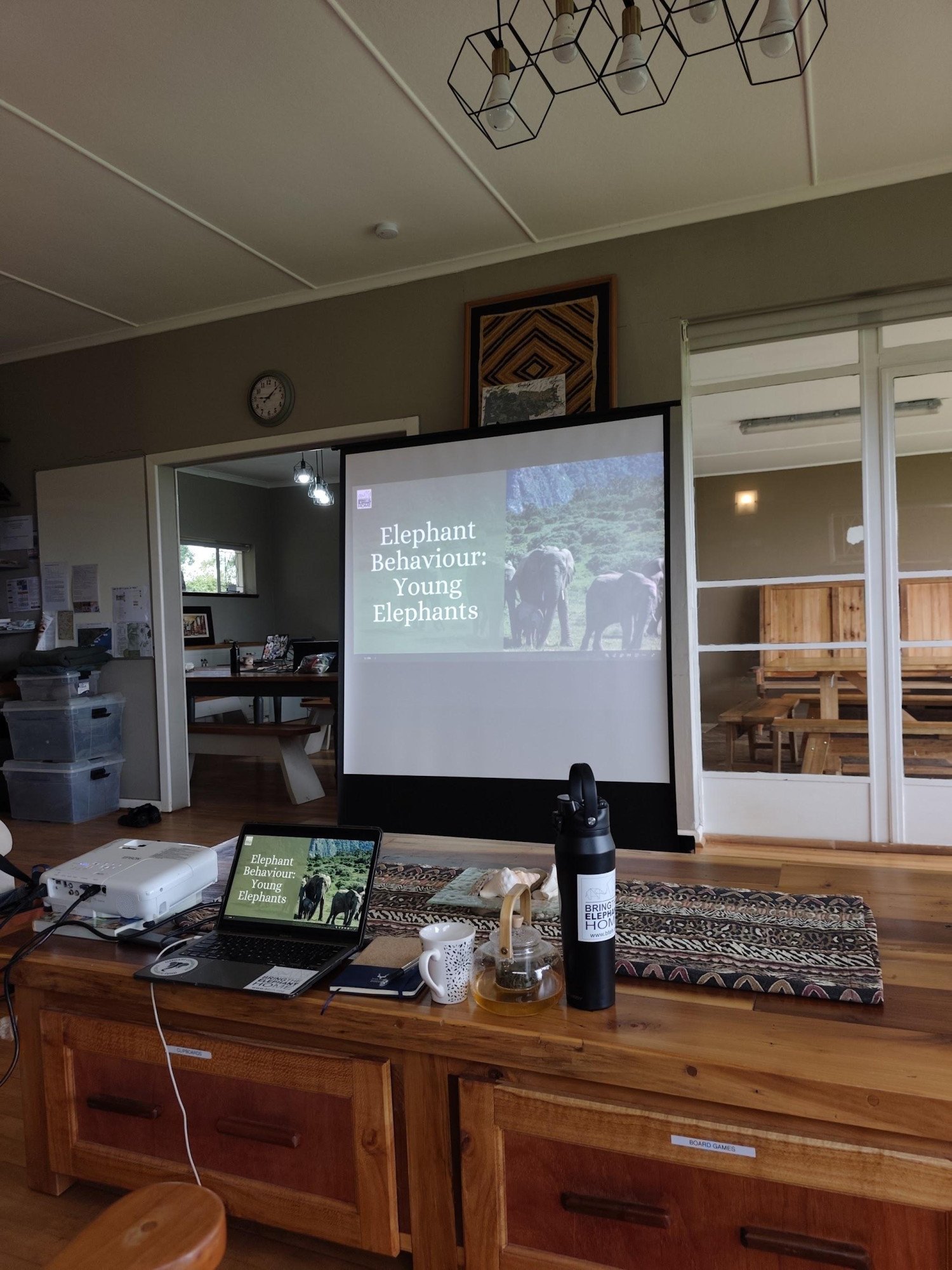
On arrival day at the Kariega Conservation Center, it soon became clear that one other teammate and I were the only “newbies.” The rest of the team had relevant degrees or had taken part in one of the research programs before. With my background in tax law, it was time to bridge that gap at elephant school! During the first few days we learned everything we needed to know. From the basics, like telling males from females, to the typical behavior of each age group. With this knowledge, I was able to make better sense of an earlier encounter. On our first afternoon while exploring the area, an elephant walked straight towards my seat in the open vehicle. He only seemed to decide to walk behind me at the very last moment. I didn’t know whether to feel impressed or frightened; I think I felt both at the same time. What I later learned at elephant school helped me realise that the elephant hadn’t shown any signs of being stressed or aggressive. To this day, whenever I see an elephant on TV or online, I automatically slip into observation mode: “male, young adult, temporal gland stream 3.”
In the Field
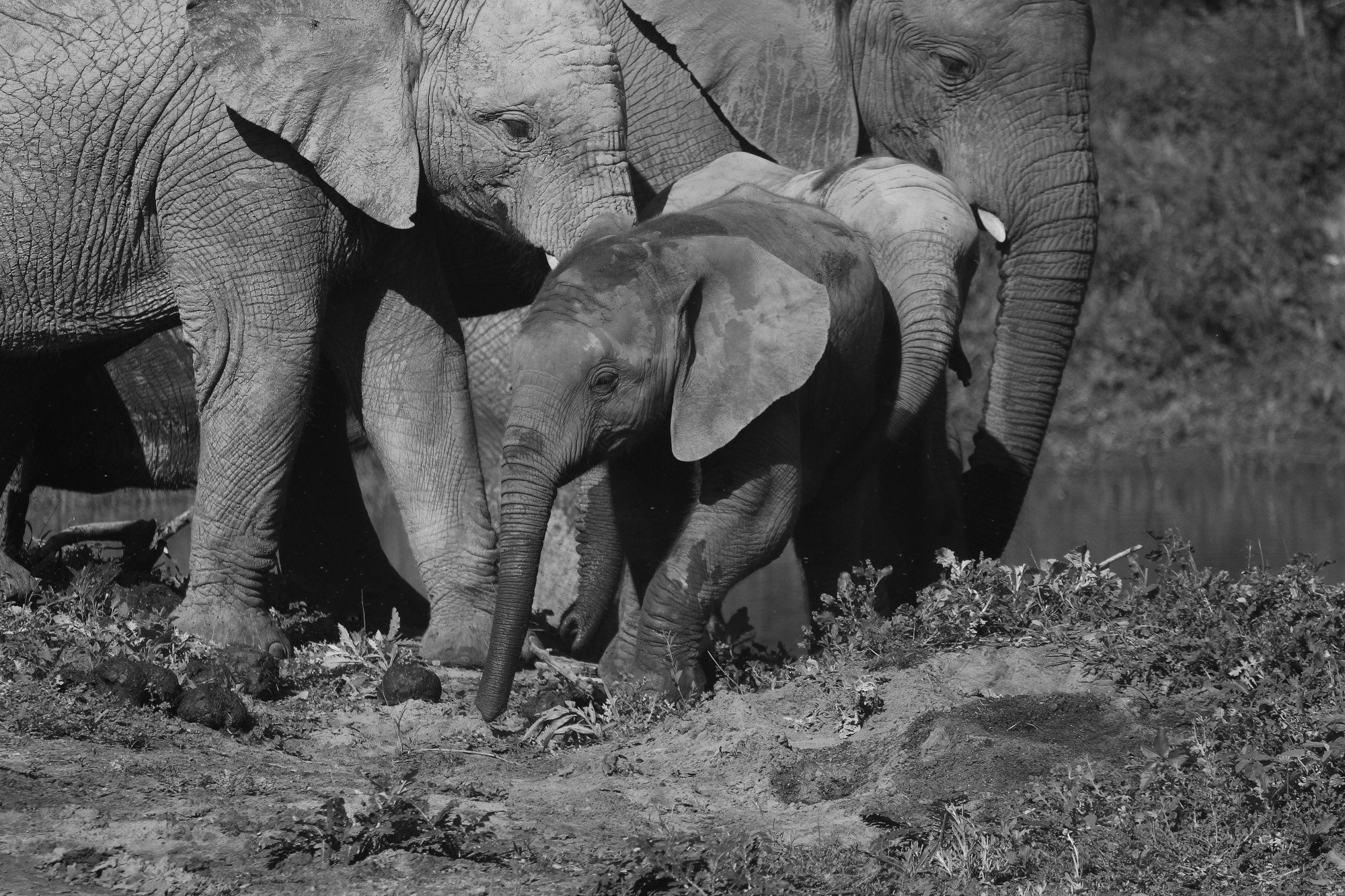
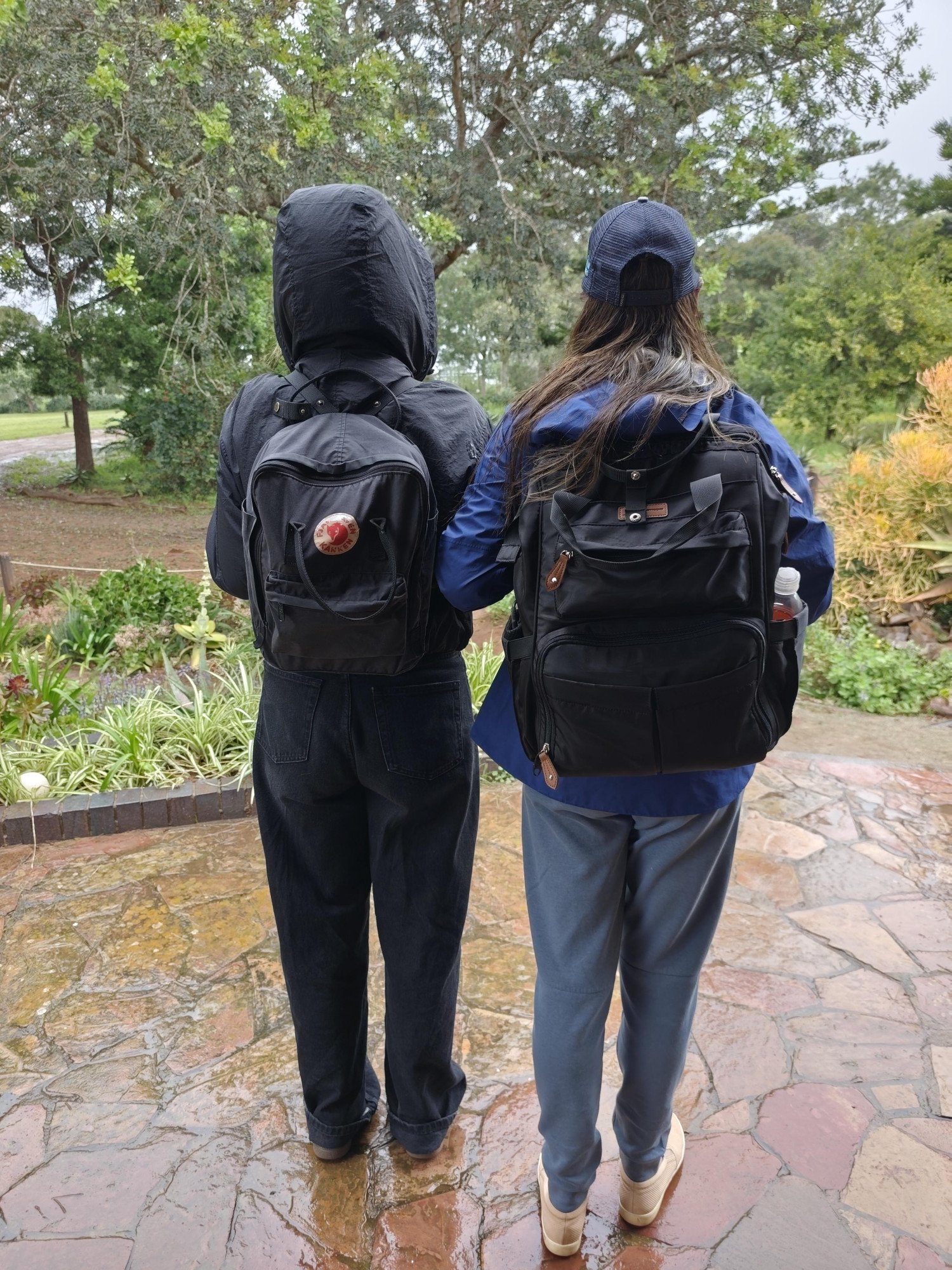
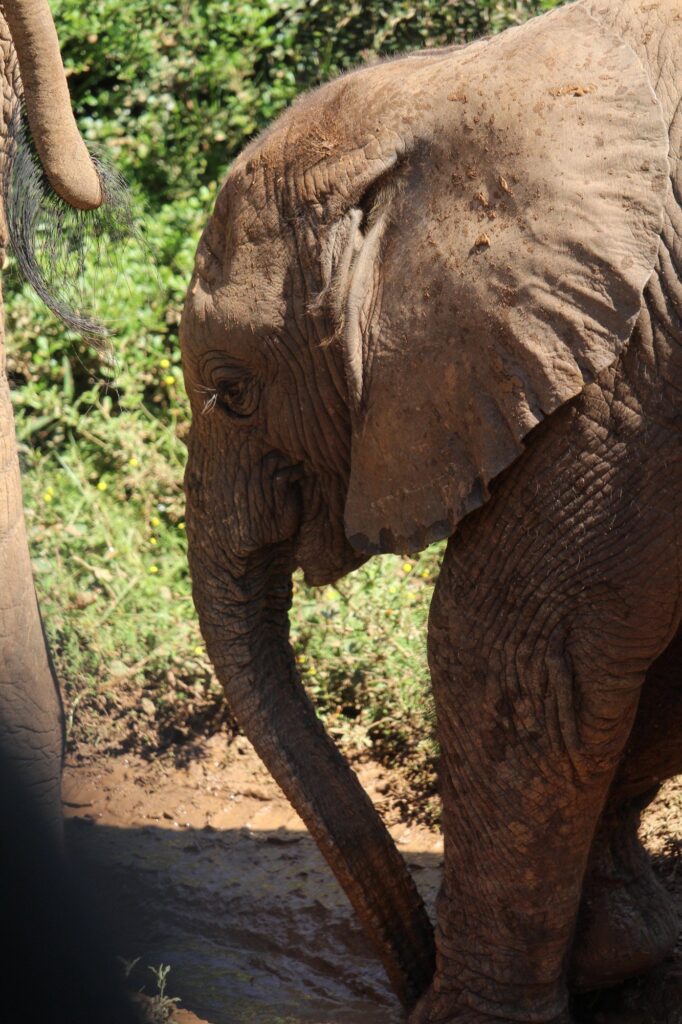
Besides testing an elephant identification app, the focus of the research program was on elephants aged 0 to roughly 8. At elephant school, we got some practice in observing and recording their behavior. It took some getting used to the different terms and the data entry system. On top of that, young elephants aren’t exactly known for sitting still, so this turned out to be harder than expected. Fortunately, practice makes perfect, and after a few rounds of monitoring in the field, things got easier.
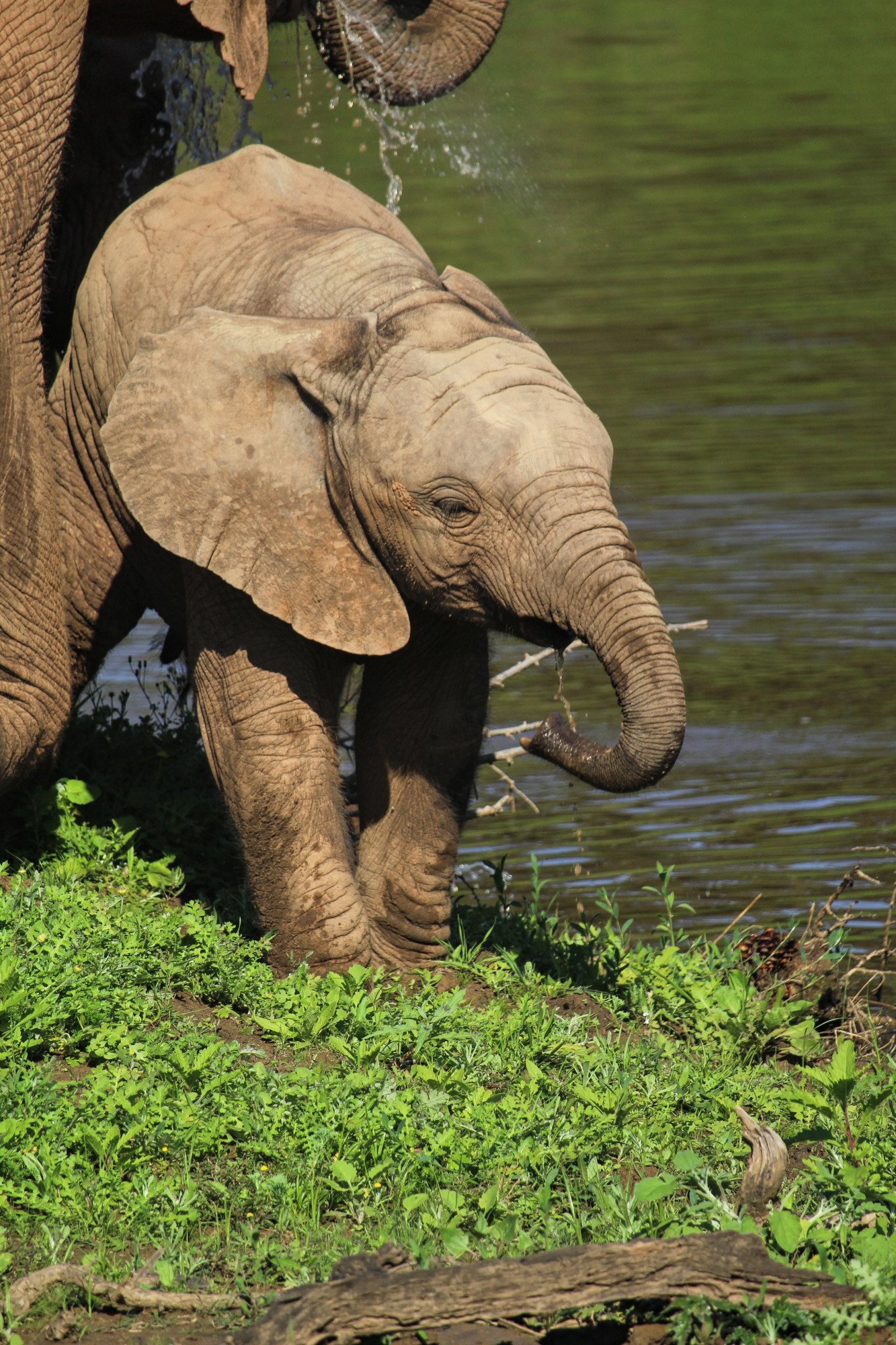
When monitoring, you keep your eyes fixed on the same elephant throughout. Nothing is quite as heartwarming as keeping one little calf in your sights with its “silly trunk” and “clambering.” Sometimes the contrast was striking. As soon as the recording equipment signaled that the monitoring session was over, you let go of your focus on that one elephant and found yourself in the middle of entire herds. Elephants all around you, each going about their own business and interacting with one another. One afternoon, for example, several elephants were playing in the river. Gradually, more and more elephants came wandering over to join the pool party. Our vehicle was parked on the path leading to the river, but the elephants didn’t seem to mind at all. As they walked past us, it almost felt as though they were acknowledging our presence. We had been welcomed into their world. In those moments, we were no longer just witnesses, but part of the whole. Their whole.
Being out in nature and among animals in this way puts everything in your “normal life” into perspective. You can’t escape your feelings, and there will always be obstacles, but in the midst of it all, you wonder what you were even worrying about. This is what it’s all about. A good friend of mine believes that you store these kinds of experiences in your body. I agree. Even though I’ve already been home for two months, I notice that I still carry some of that calm with me and that I find it easier to see things for what they are. It’s a lasting gift to have been part of something so much bigger than our own existence. I came to help the elephants, but the elephants have helped me too.
What Remains
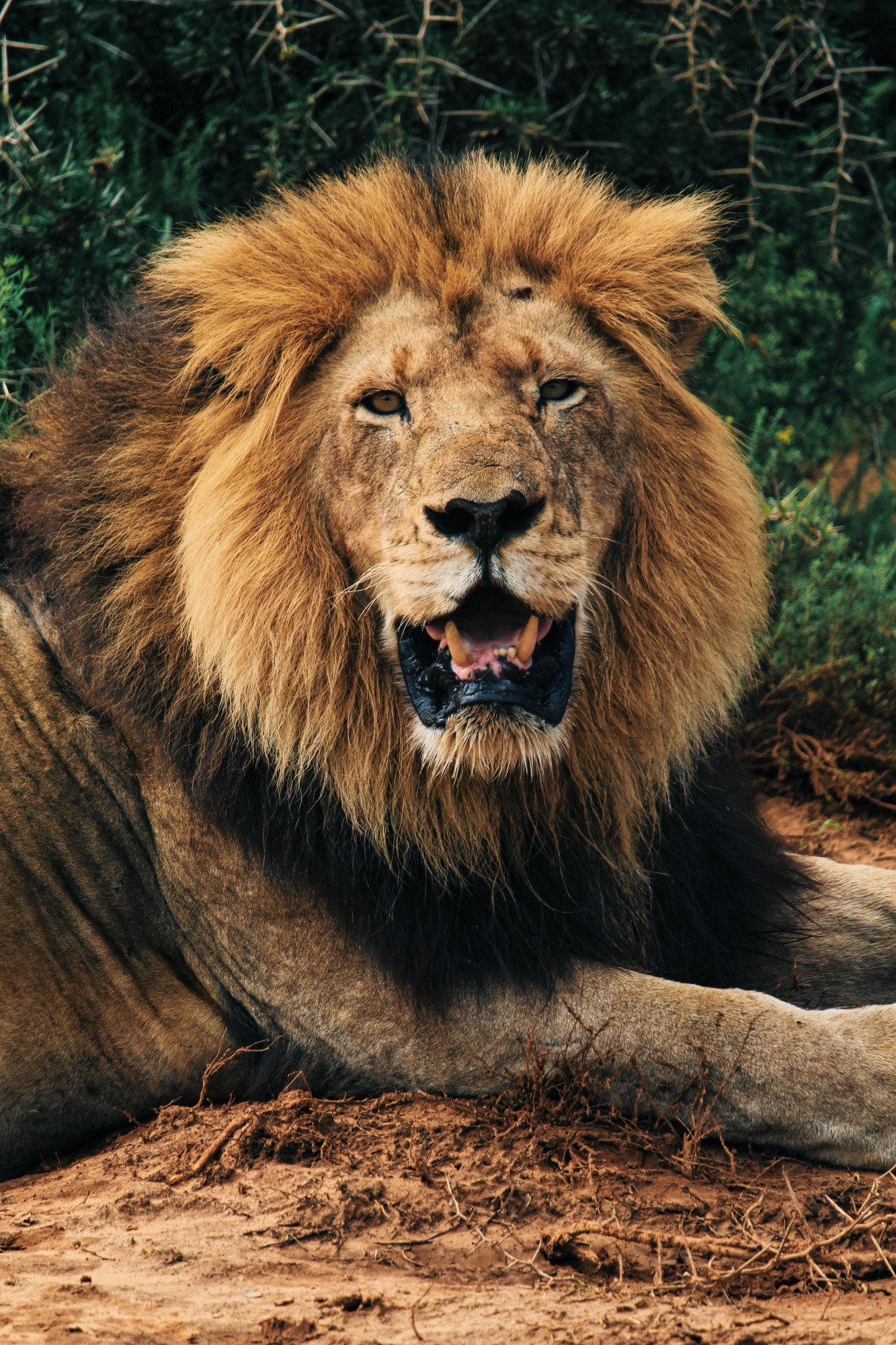
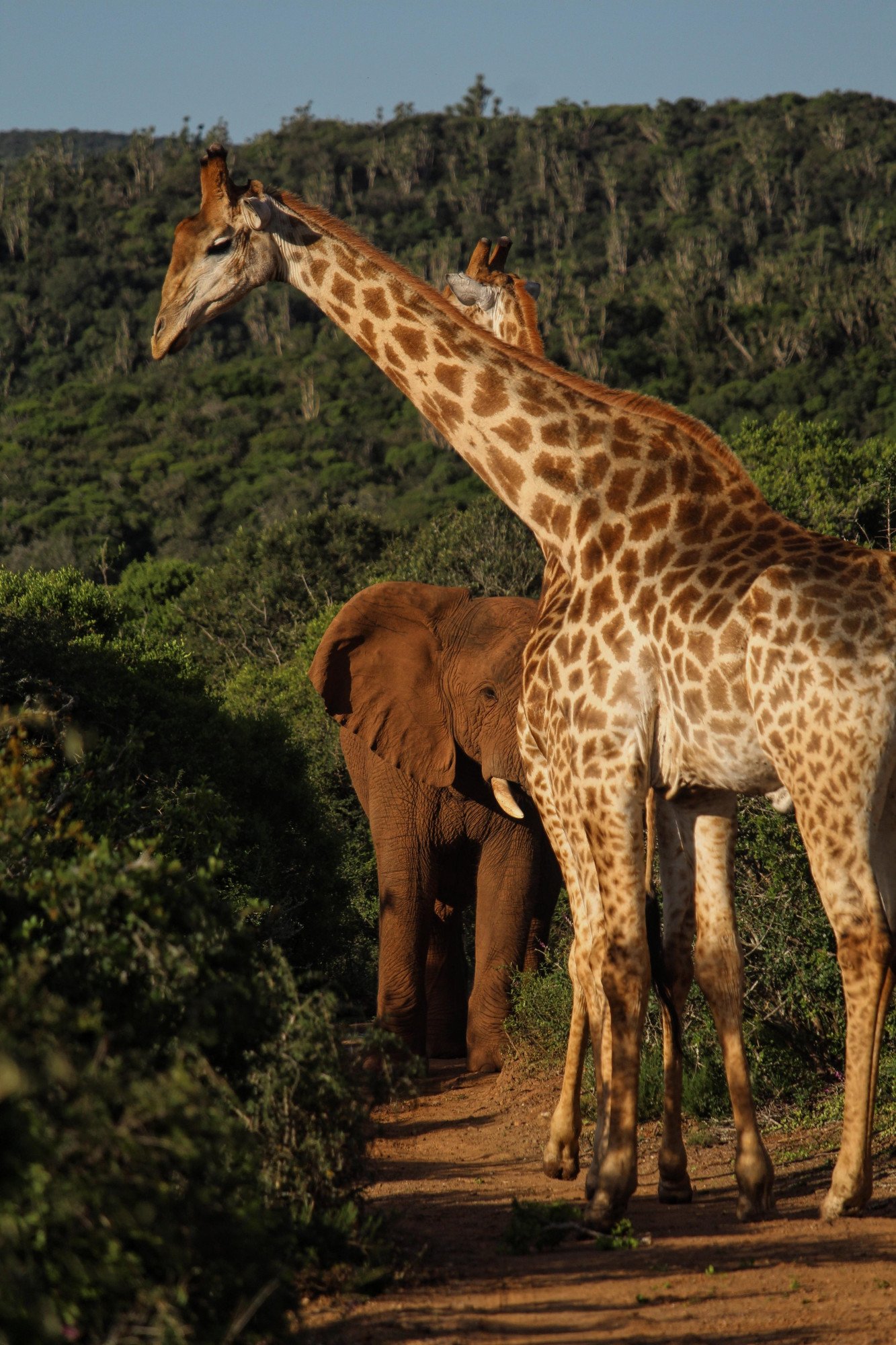
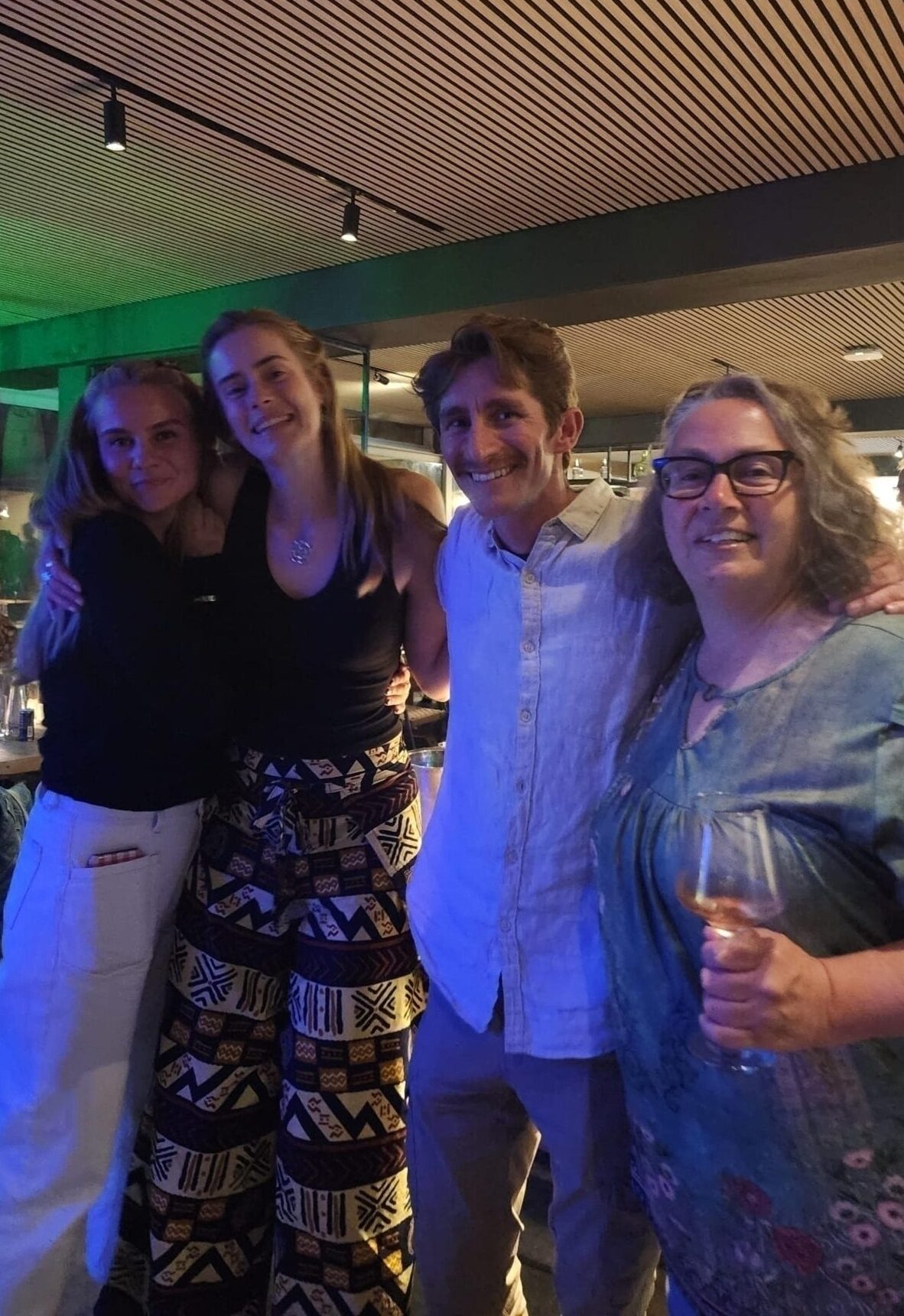
I could fill entire blogs with my memories of the research program. The distinctive view from our accommodations. The animal traffic jams. The young lions with their zebra kill and the lioness with her contact call. Lunch breaks in extraordinary silence. The inspiring people who dedicate themselves to elephant conservation in such remarkable ways. But above all: the other volunteers, with whom I lived in a bubble during the program. I will never forget them. It was incredibly special to be among like-minded people and alongside the research, there was also plenty of room to enjoy our free time together. This time, I boarded the plane without tears, because I felt I had found my own path alongside my everyday life. I’ve since become part of the Communications Team at Bring The Elephant Home. And that’s how that wink from my “future self” played out ;-).
Are you hesitating to take part because you wonder whether you have enough relevant experience? Take the leap!
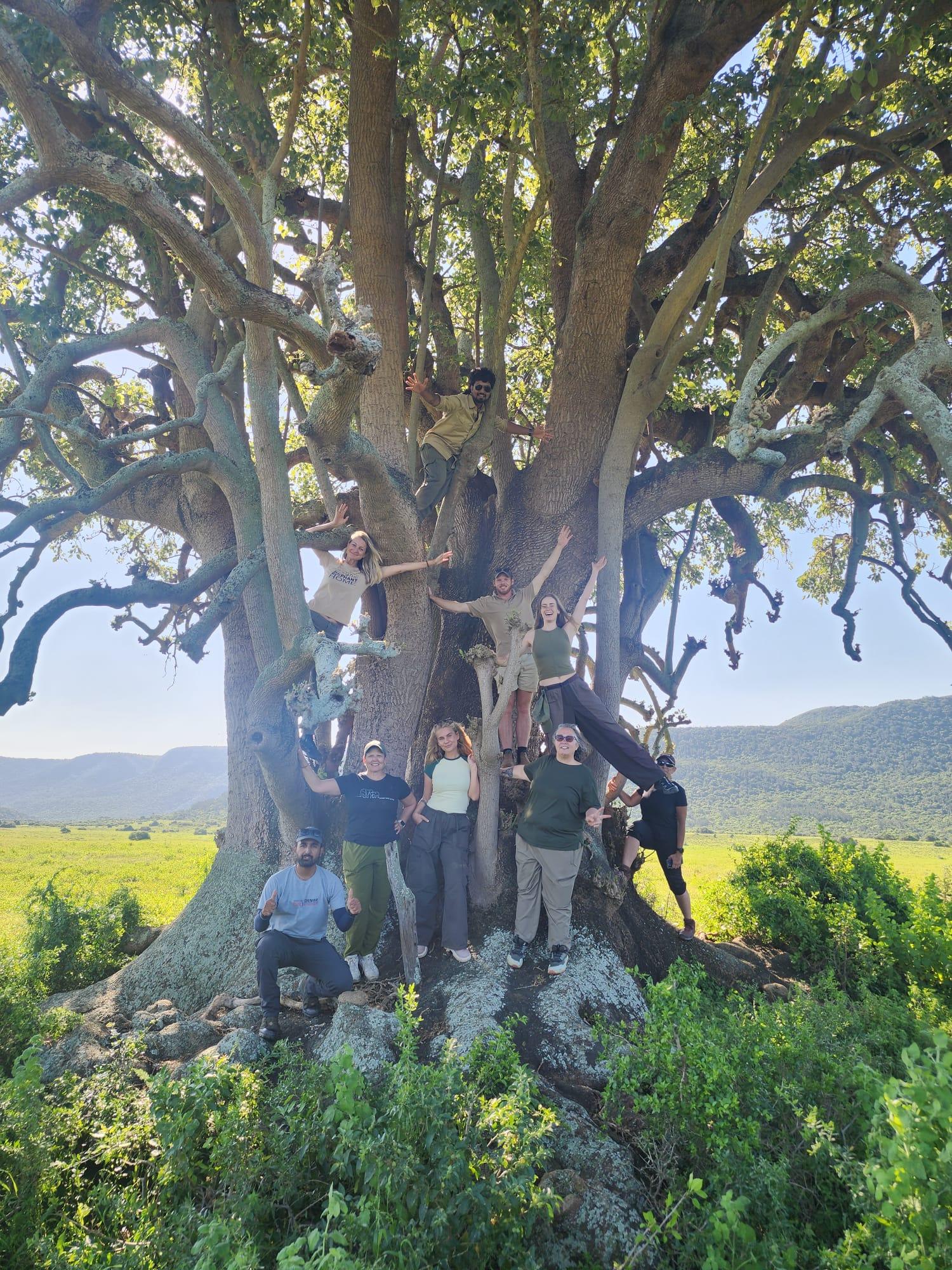
Thank you, Joy!
We want to extend a big thank you to Joy Mortiaux for sharing her story and for her hard work as a research assistant at Kariega. Thank you, Joy, for reminding our community that you don’t need a long résumé to make a difference for elephants, just curiosity and heart!
Although our chapter at Kariega has come to an end, Bring The Elephant Home’s research programs continue at other locations.