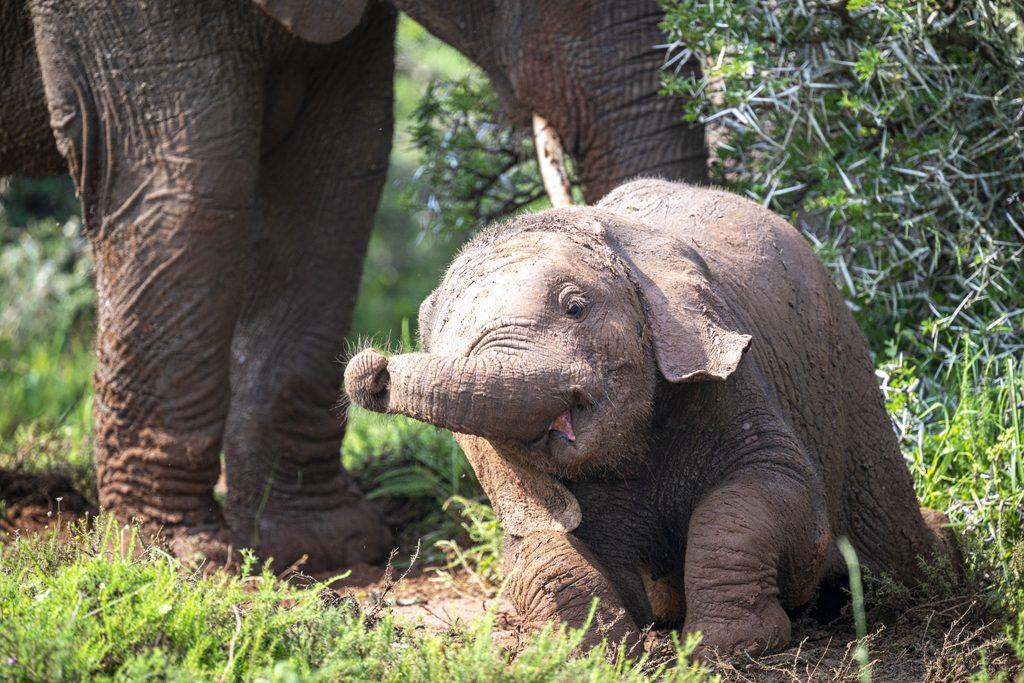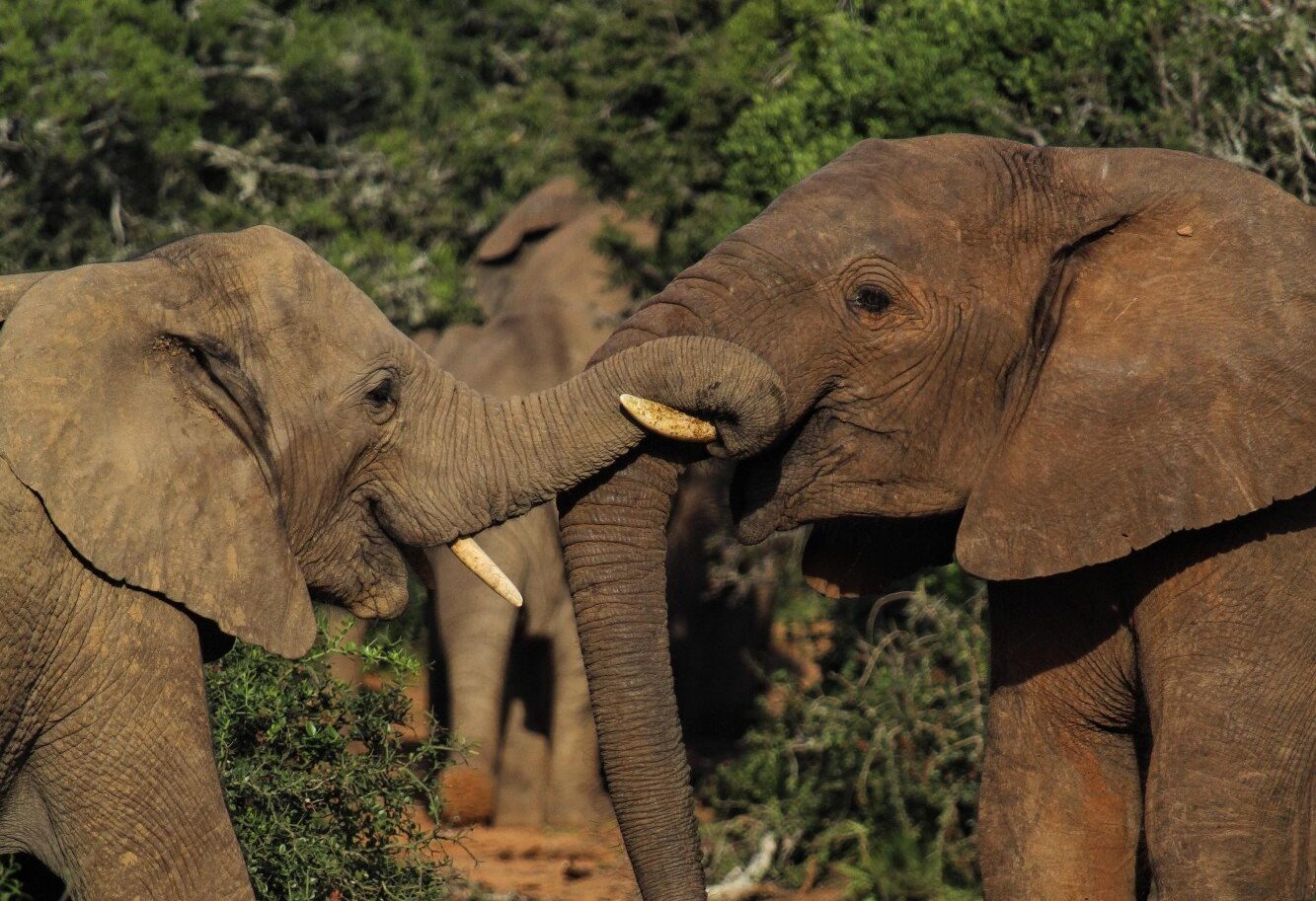
5 Years of Elephant Research: Reflecting on Our Work at Kariega Game Reserve
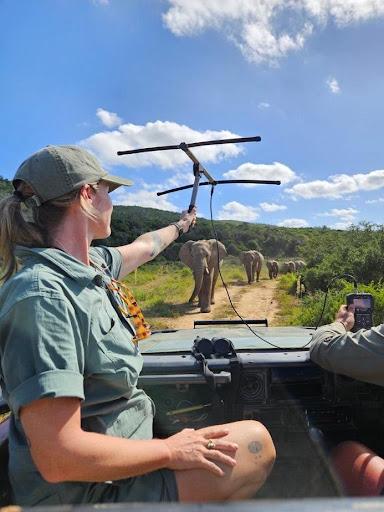
For the past five years, Bring The Elephant Home (BTEH) has worked alongside local partners, dedicated researchers, and international volunteers at Kariega Game Reserve in South Africa. As this chapter of our research comes to a close, we look back with immense gratitude for the community that made this work possible and pride in the scientific contributions we’ve achieved together. Our research at Kariega focused on non-invasive monitoring, animal welfare, and understanding how habitat management and range expansion directly impact wild elephant behavior and well-being. Below are the key scientific publications that resulted from this 5-year study.
Key Publications & Core Findings
1. Fence Removal and Restoring Natural Elephant Dynamics (2026)
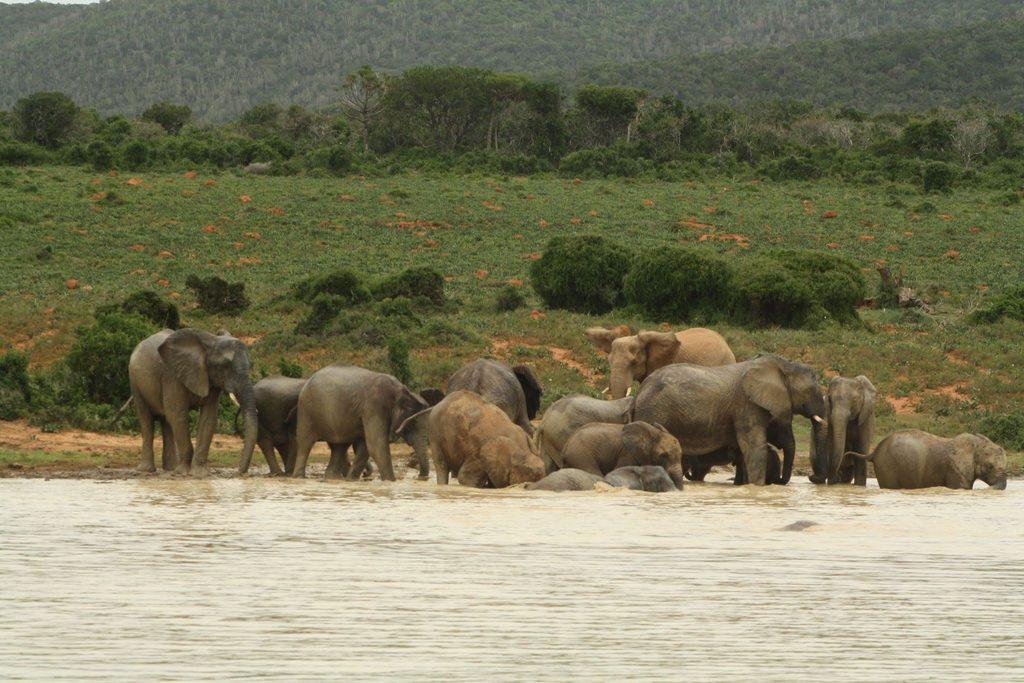
Removing internal fences allowed elephants to re-establish natural spatial movement across the landscape. This study demonstrated how landscape connectivity directly supports physical health and social stability in re-established herds.
Key Findings:
- Ecosystem Integrity: Satellite vegetation assessments (NDVI) confirmed that giving elephants access to new areas did not result in vegetation degradation compared to non-elephant control areas, proving that expanding space allows elephants to act as healthy ecosystem engineers without harming local flora.
- Physiological Health: Non-invasive fecal hormone analysis revealed significantly reduced stress levels (glucocorticoid metabolites) after internal fences were taken down.
- Natural Behavior & Movement: Elephants expanded their ranges and displayed more natural social, foraging, and movement patterns rather than “bunching up” near artificial boundaries.
Publication: Friswold, B., Van de Water, A., Mitchell, B., House, S., Mitchell, J., Aiyanna, H., Delsink, A., Garaï, M., Ganswindt, A., and Gale, G. A. (2026). Fence Removal Enhances Elephant Movement and Promotes Behavioural, Physiological and Ecological Functioning. Ecology and Evolution, Vol. 16, No. 5, e73619. doi: https://doi.org/10.1002/ece3.73619
2. The Impact of Range Expansion on Elephant Well-Being (2025)
By closely monitoring individual elephants during active reserve expansion, our team gathered vital empirical insights into how increasing available territory improves overall elephant welfare and herd harmony.
Key Findings:
- Behavioral Shifts: Additional habitat space led to a noticeable increase in positive social interactions, play behavior, and natural browsing distribution.
- Resource Competition: Expanding the reserve range effectively reduced localized browsing pressure and lowered competitive tension within social units.
- Welfare Indicator: The study provides a clear framework showing that habitat expansion is not merely a spatial benefit, but a critical welfare intervention that enhances overall individual and herd well-being.
Publication: Friswold, B., Van De Water, A., Mitchell, B., House, S., and Gale, G. (2025). Impacts of Range Expansion on African Elephant Well-being: Insights from Kariega Game Reserve, South Africa. African Journal of Wildlife Research, Vol. 55, pp. 381–385. doi: https://doi.org/10.3957/056.055.0381
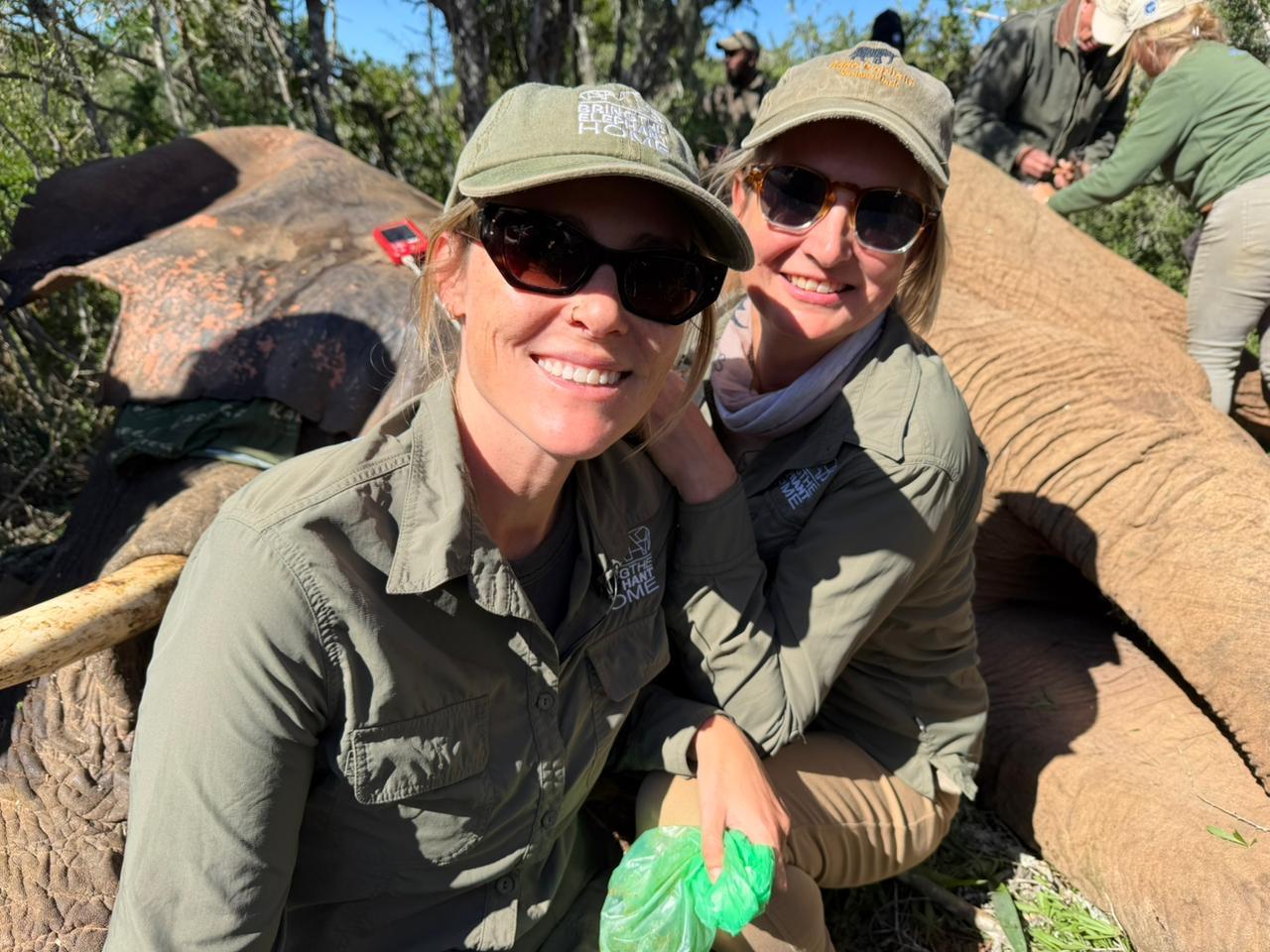
3. Improving Satellite Collar Design & Animal Welfare (2023)
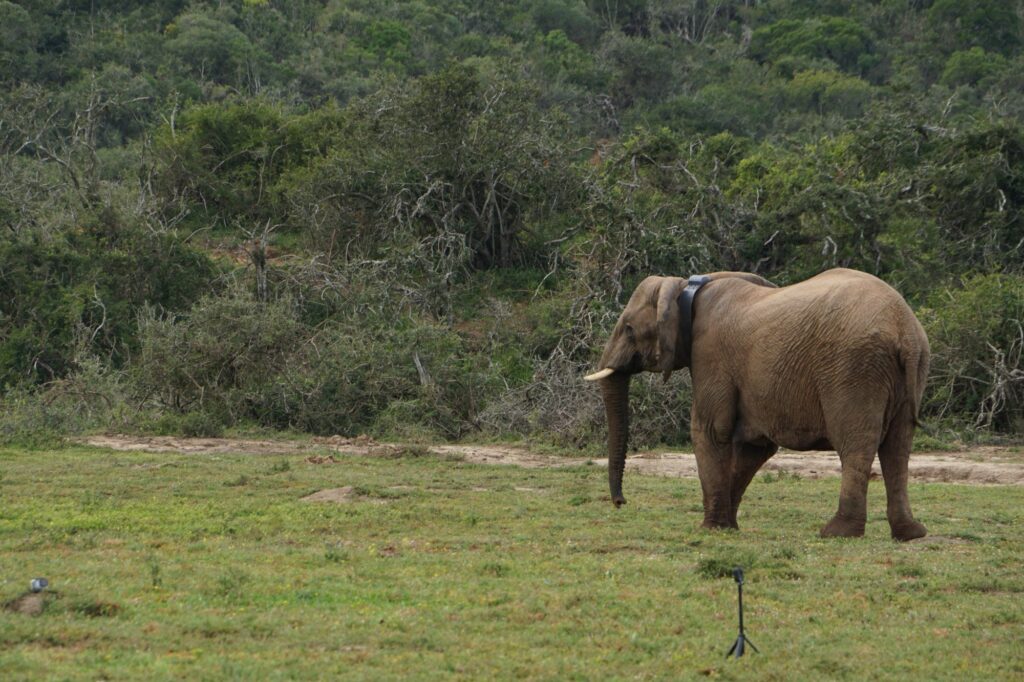
Tracking bull elephants in dense, woody vegetation exposed critical mechanics and physical risks associated with standard telemetry collars in challenging terrains.
Key Findings:
- Welfare Risk Identification: Dense shrub terrain poses a high risk for telemetry collars on male elephants to twist, invert, or bind, leading to potential skin abrasion, restricted movement, or mechanical failure.
- Practical Solutions: The paper outlined specific hardware modifications—including modified counterweighting, strap materials, and fit protocols—to prevent collar twisting in dense bushveld.
- Industry Recommendations: Provided actionable safety and welfare guidelines for collar manufacturers, wildlife researchers, and reserve managers to minimize handling risks and enhance animal safety during tracking operations.
Publication: Friswold, B., Mitchell, B., Gale, G., and Van de Water, A. (2023). Twisting Collars on Male Elephants in Shrub Terrain: Animal Welfare Considerations for Researchers, Managers and Manufactures. Pachyderm, Vol. 64, pp. 78–91. doi: https://doi.org/10.69649/pachyderm.v64i.534
With Gratitude to Our Team, Volunteers & Partners
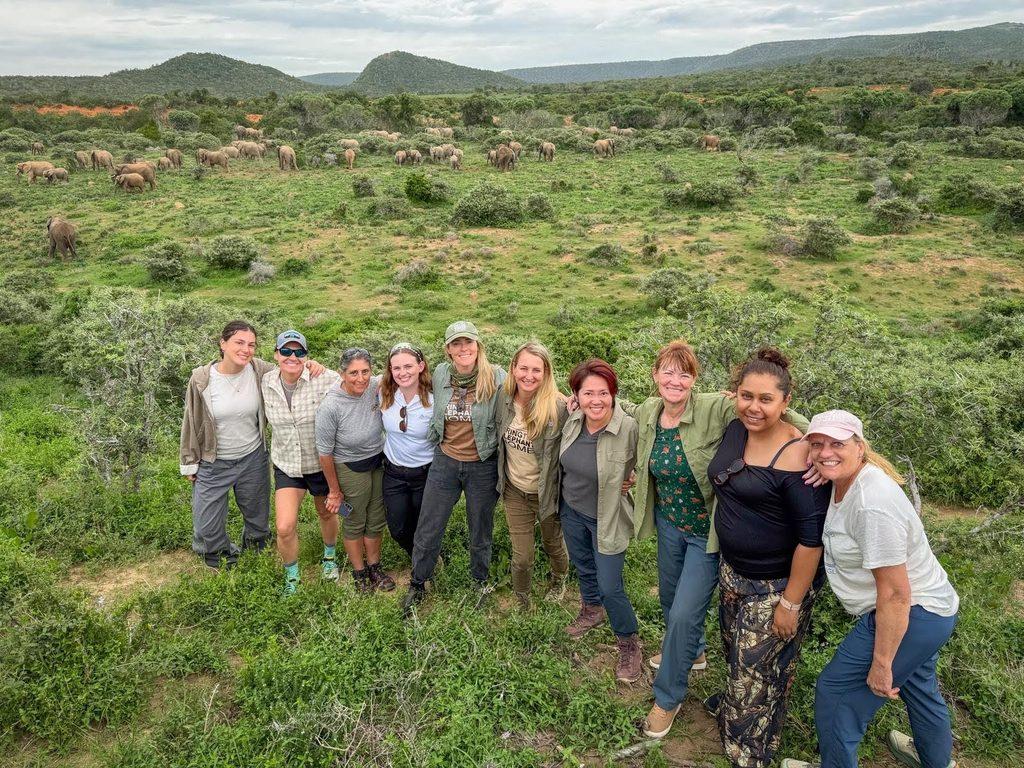
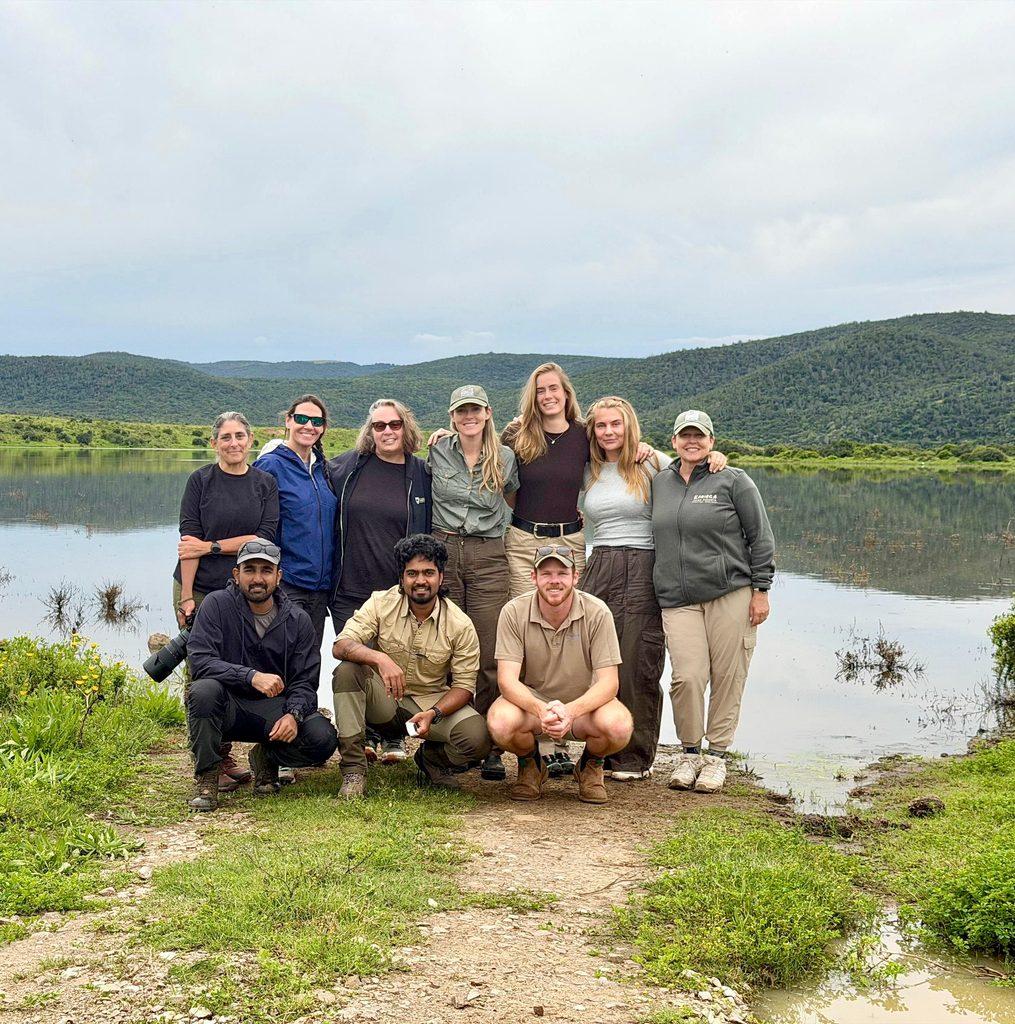
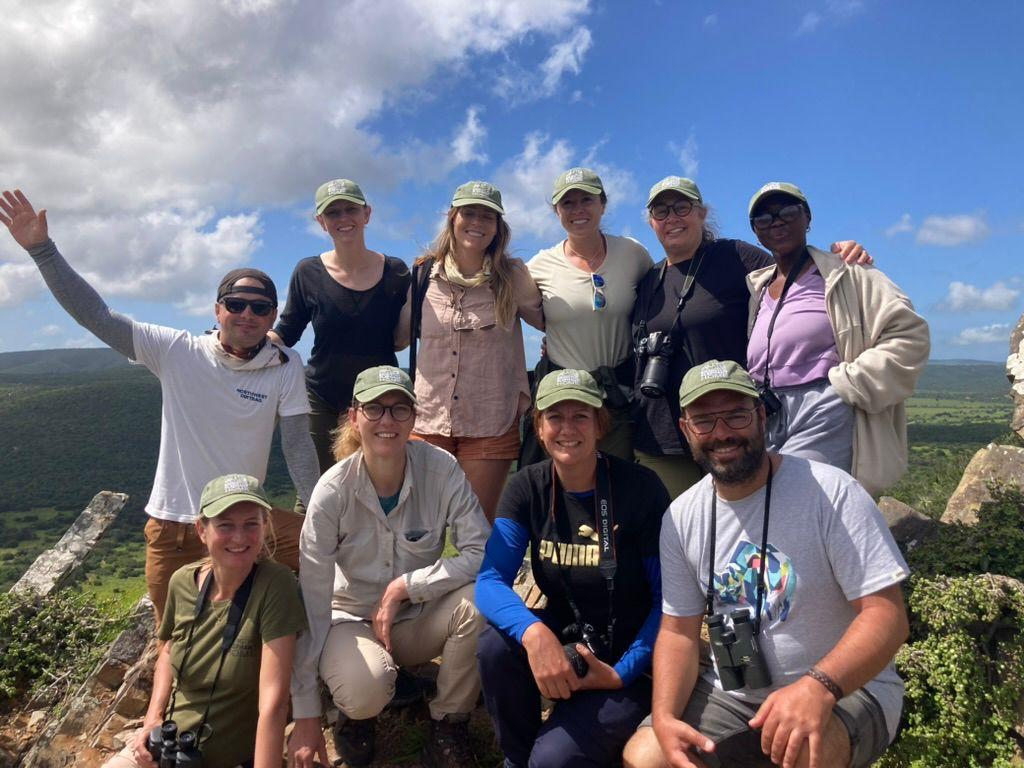
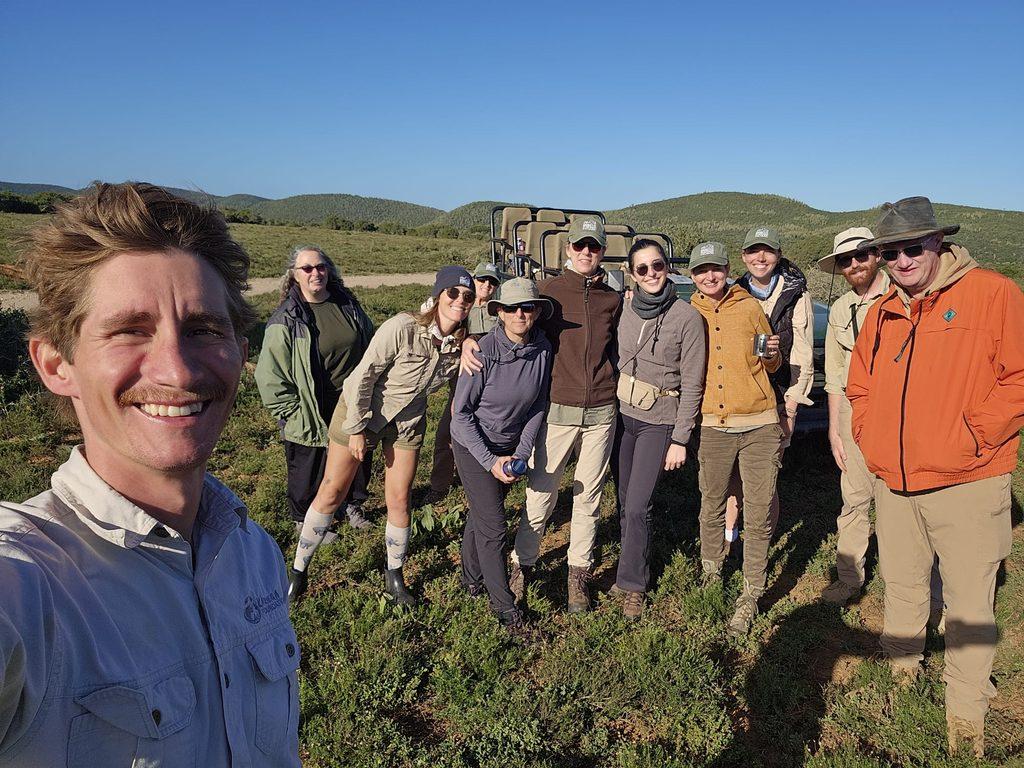
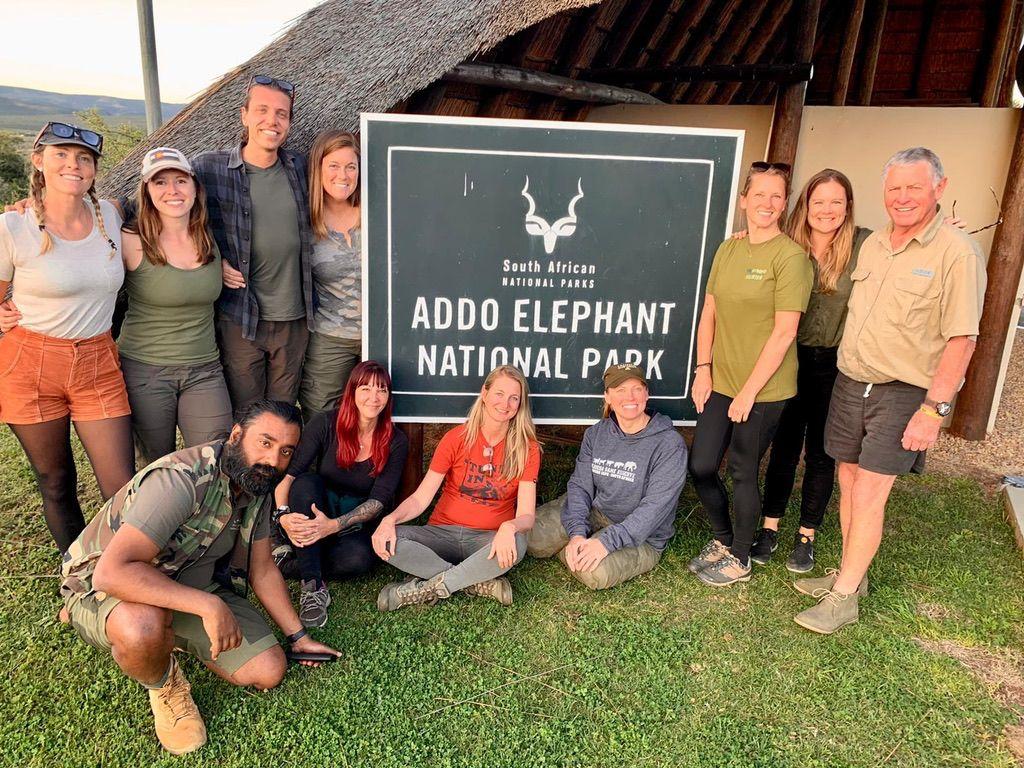
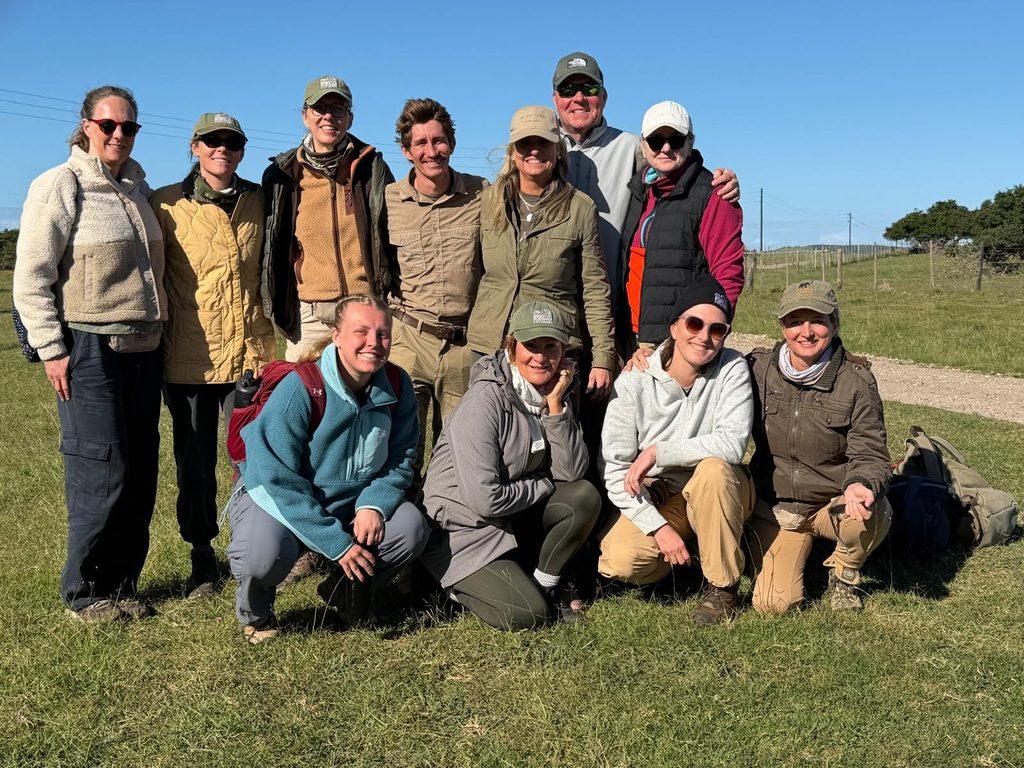
None of this research would have been possible without the extraordinary dedication of our volunteer expedition teams over the past five years, alongside our exceptional local partners in South Africa. A heartfelt thank you to every volunteer who dedicated their time, effort, and energy in the field to help collect behavioral data, monitor elephant movements, and support our conservation mission:
Megan Evans, Karen Couchon, Harin Aiyanna C R, Pradhan Ponnanna C R, Sally House, Lesli Woodruff, Joy Mortiaux, Paula Zijda, Kelly Ruddo, William Reuter, Audra Robson, Renee Brokenbrow, Nancy Grifin, Birgitta Seegers, Aspen Geraghty, Mikayla Van Houten, Elise Allert, Taffy Young, Amy Young, Willem Mijnarends, Lea Osterloh, Lynn Carrino, Laura Thomsin, Donna Long, Joan Leong, Carrie-Ann Singh, Taffy Courteau, Paloma García Orcoyen, Linda Gamman, Shannon Rivera, Nicole Steinberg, Jacob Fernandez, Jane Parker, Graham Parker, Sam Fisher, Rachel Horner, Volpe Rosario, Emma Hankinson, Katherine Kendrix, Katherine Gamboa, Amy Chambers, Kati Huisingh, Karin van Norden, Andrew Brown, Mariah Steele, Ram Marsi, Esihle Ndeleni, Bart de Visser, Marjolein Kemna, Mara van Maarschalkerweerd, Vera Praet, Jorian Hendriks, Alisa Summerfield, Angelica Krouwer, Monica Schneider, Julie Alexander, and Ashley Coe.
And we extend our deepest gratitude to the reserve management, field teams, and local organizations whose collaboration, guidance, and hosting made this work seamless and impactful:
Kariega Game Reserve, Jaco Mitchell, Michaela Goedhals, Thomas Pitt, Deoni Ferreira, Jone Haesslich, Malibongwe Mangele, Jumbo Williams, Nomawhetu Ngangqu, Kamva Gumenge, Megan Maree, Jannik von Schlichting, Ashley Wendhold, Brett Mitchell & the Elephant Reintegration Trust, Nic Mortley, and Amber Tweedie
Looking to the Future
While our field research at Kariega Game Reserve is finished for now, the data collected over these five years will continue to inform elephant conservation and reserve management practices globally for years to come. Though this chapter in South Africa has closed, Bring The Elephant Home remains as committed as ever to creating a world where humans and elephants can thrive together. Stay tuned as we apply these lessons learned to our ongoing global initiatives!