What Happens when Elephants are Given more Space?
Today, August 12th, marks World Elephant Day! Our team at Bring The Elepant Home present exciting research results on both African and Asian elephants. Here, we look into the the life-changing impact of removing elephant fences and what happens when elephants are given more space. Read the blog below about our findings and watch the video for more information!
What happens when elephants are given more space?
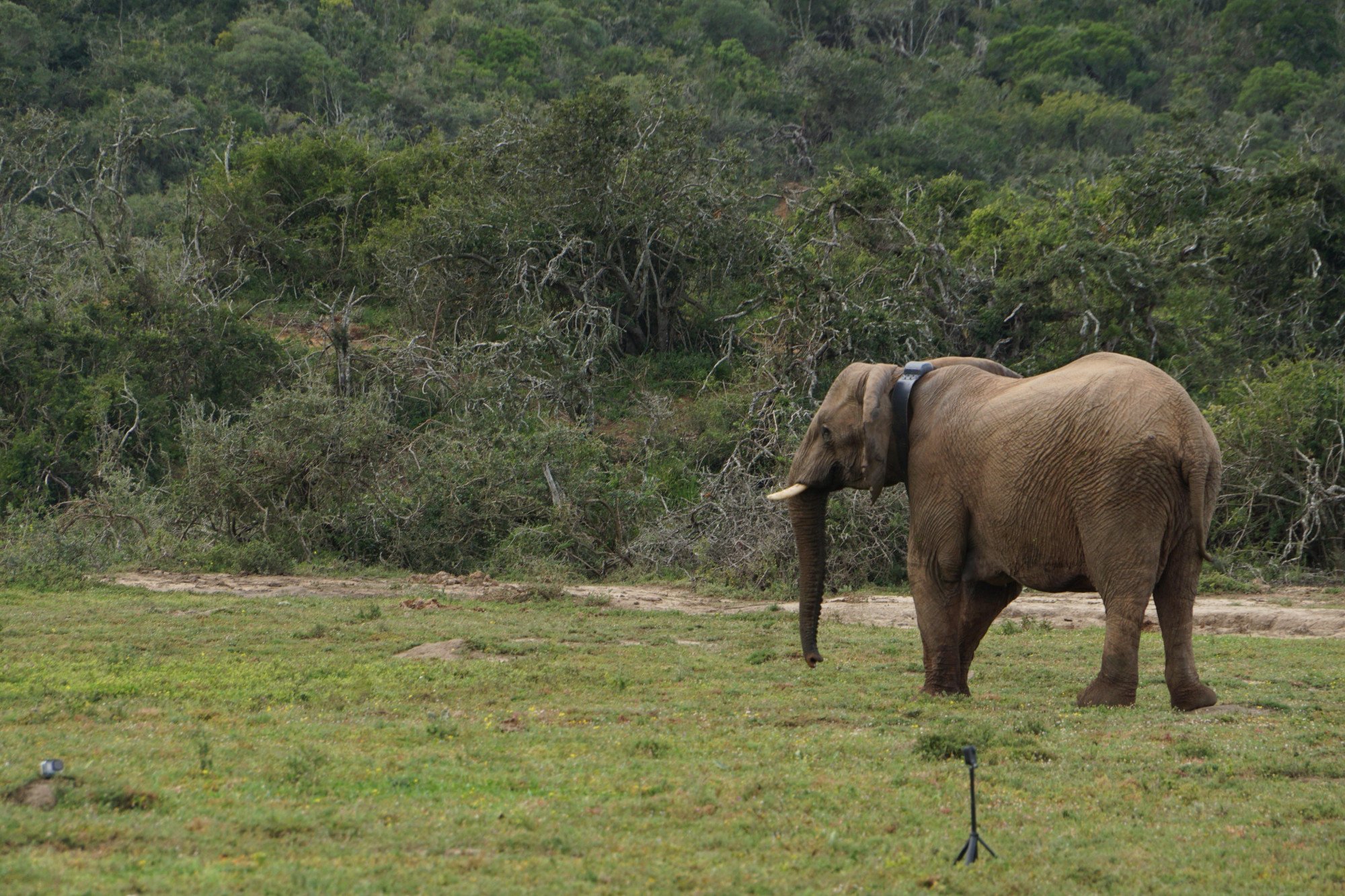
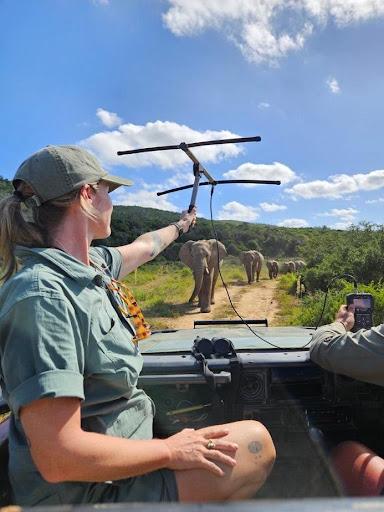
A new study published in Ecology and Evolution offers some of the most rigorous evidence yet that the way South Africa manages its elephant populations may need to change, and that the solution is simpler, and less controversial, than culling or translocation. Researchers from Bring The Elephant Home tracked 75 elephants across five matriarchal herds before and after the removal of two internal fences at Kariega Game Reserve in South Africa, using GPS collars, direct behavioral observation, satellite vegetation imagery, and fecal hormone analysis.
Home ranges more than doubled for elephants that had been confined to the more crowded section of the reserve. Stress hormone levels dropped significantly, and stayed down, after fence removal. Aggression spiked briefly as the herds explored unfamiliar territory, then fell below pre-removal levels. Affiliative behavior, such as grooming, play, and social bonding, rose 66 percent. And satellite imagery showed no increase in vegetation degradation in elephant-occupied areas compared to adjacent areas without elephants, directly challenging the assumption that expanding elephant range leads to habitat destruction.
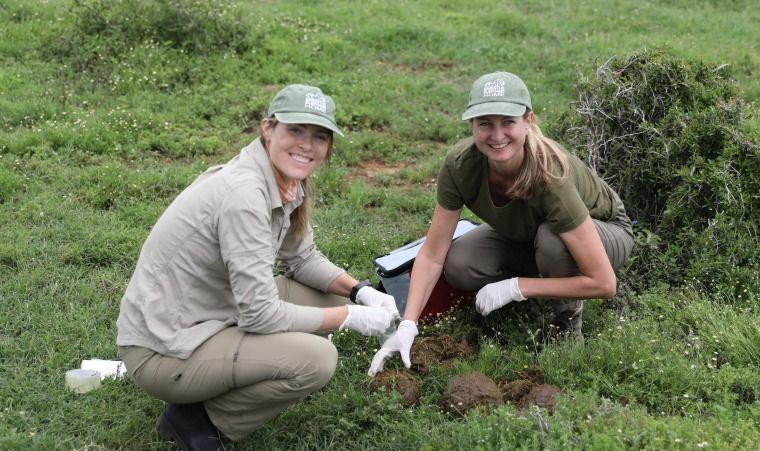
Lead author Brooke Friswold, a doctoral candidate at King Mongkut’s University of Technology Thonburi and Bring the Elephant Home, frames the findings in pointed terms:
“It’s not that there are too many elephants — there’s not enough space. We need to focus on corridor creation, fence removal where possible, and allowing natural ecological processes to function as intended.”
The research is particularly timely. South Africa has designated fence removal and habitat connectivity as national biodiversity conservation goals, and SANParks’ 2040 vision includes proposed corridor links between Addo Elephant National Park and Mountain Zebra National Park — adjacent to the private reserves where this research was conducted. This study provides the first integrated, multi-method evidence base for what that connectivity actually produces at the individual elephant level.
Click here to read more on this research and here to read more about our projects in Africa!