New Research: The Impact of Fence Removal on Elephant Well-Being
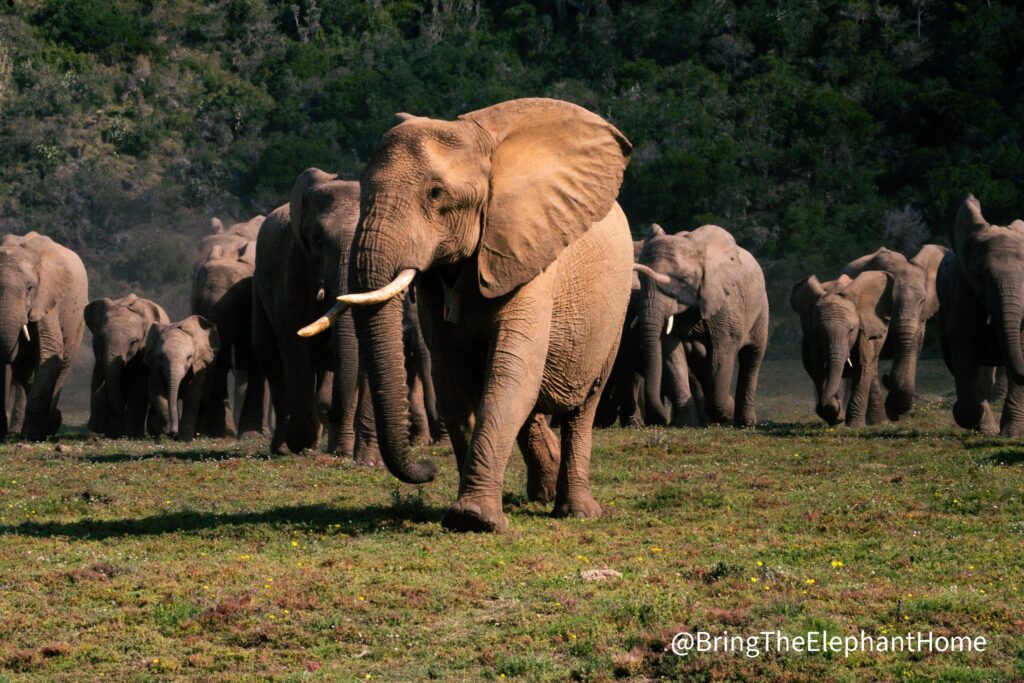
We are incredibly proud to share the final chapter of Brooke Friswold’s PhD! Her latest scientific publication, based on research at the Kariega Game Reserve (Eastern Cape, South Africa), sheds vital light on how the removal of internal fences directly improves the well-being and natural behavior of wild African elephants.
The Background
While many game reserves in South Africa are fenced off to manage and preserve elephants within their borders, little research has historically been done on the effects of these barriers—and the impact of their removal—on the elephants themselves. Brooke’s study shows that breaking down these internal walls makes a world of difference.
The Impact: Before vs. After Fence Removal
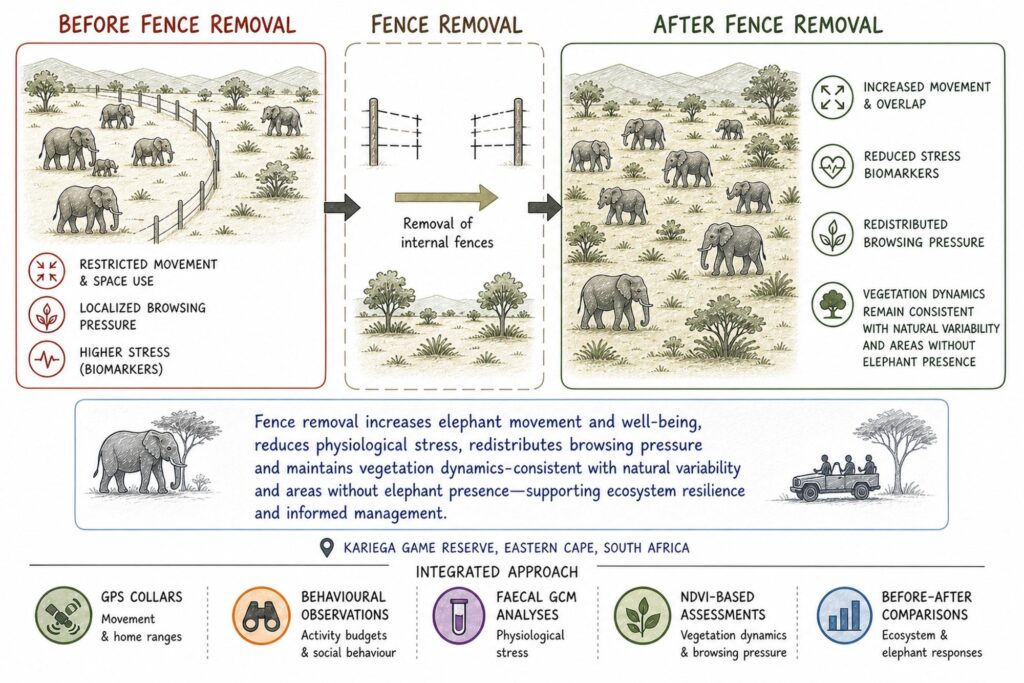
The findings of this study are both clear and highly encouraging. When comparing the situation before and after the internal fences were removed, the data shows immense positive changes:
- Increased Movement & Social Interaction: Before the removal, movement and space use were restricted. Afterward, elephants experienced increased ranging flexibility and a healthy, natural overlap between different herds.
- Reduced Stress: Within the restricted areas, elephants showed higher stress levels. After the fences were removed, these physiological stress biomarkers were significantly reduced.
- Redistributed Browsing Pressure: Instead of heavy, localized browsing pressure damaging specific areas, elephant feeding habits were successfully redistributed more evenly across the wider landscape.
- Ecosystem Resilience: Vegetation dynamics remained consistent with natural variability and areas without elephant presence. This proves that giving elephants more room to roam supports ecosystem resilience without causing disproportionate vegetation degradation.
An Integrated Approach
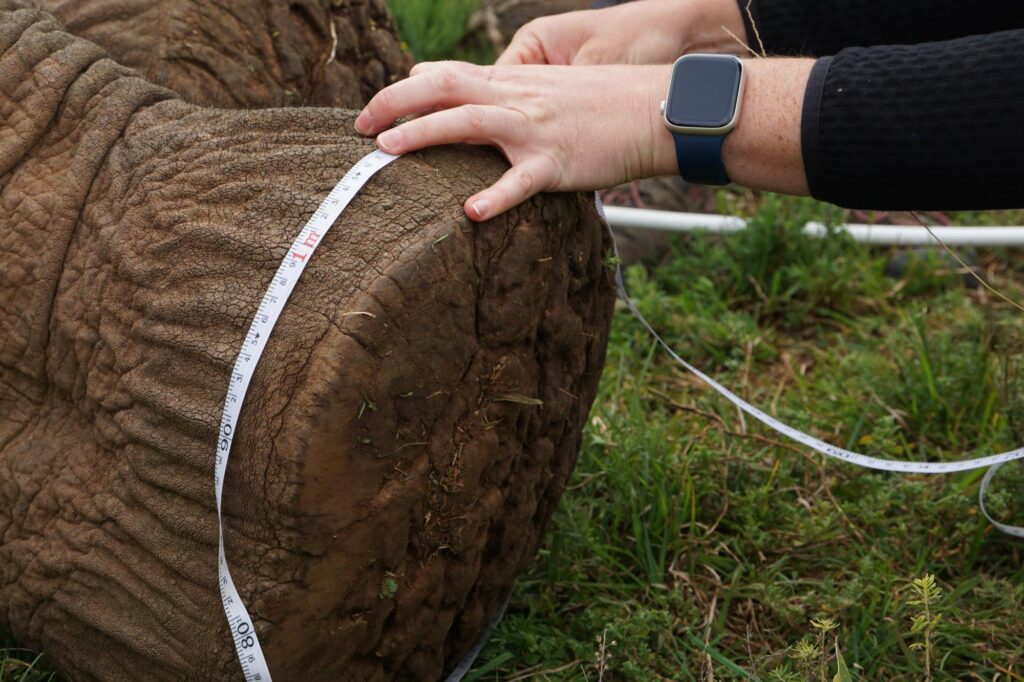
To reach these comprehensive conclusions at the Kariega Game Reserve, the study utilized a unique, multi-layered scientific approach:
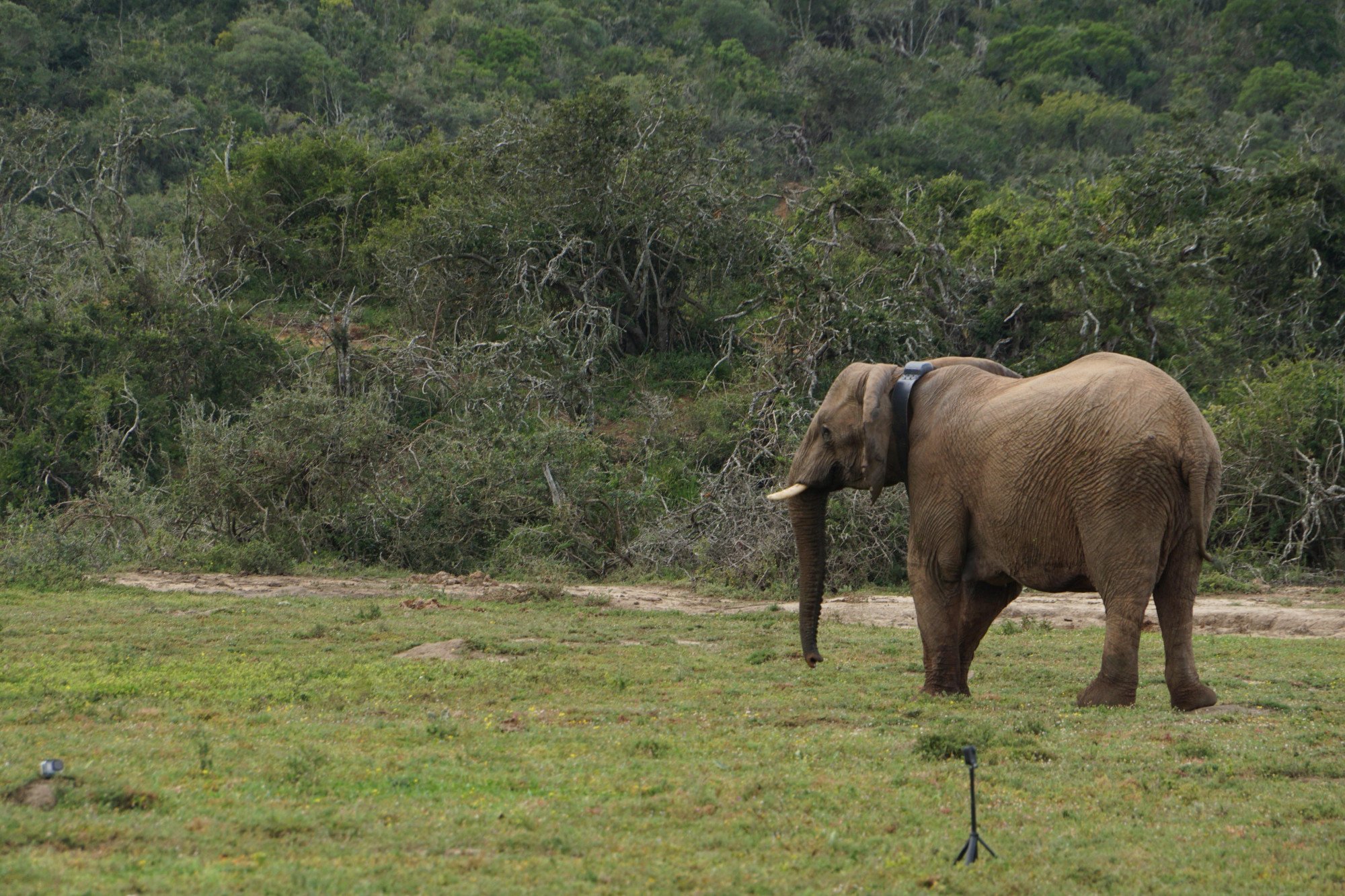
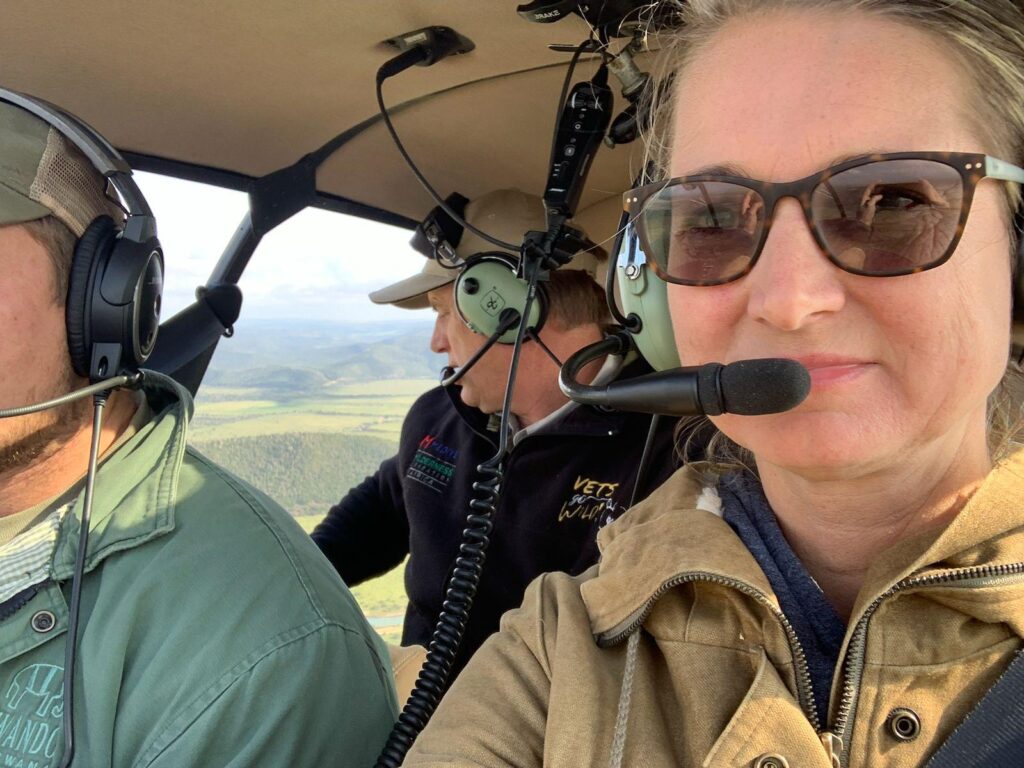
- GPS Collars: Used to track exact elephant movements and map out their home ranges.
- Behavioural Observations: Used to monitor daily activity budgets and complex social behaviors.
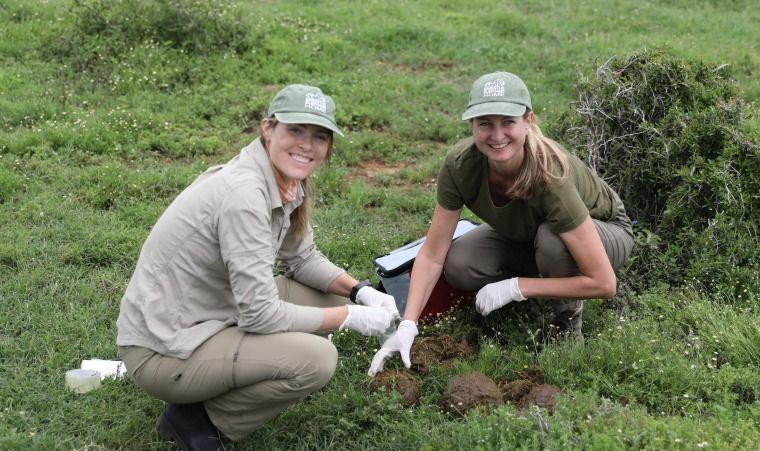
- Faecal GCM Analyses: Lab testing of dung samples to measure physiological stress levels.
- NDVI-Based Assessments: Satellite imagery used to analyze vegetation dynamics and browsing pressure.
Why Landscape Connectivity is the Future
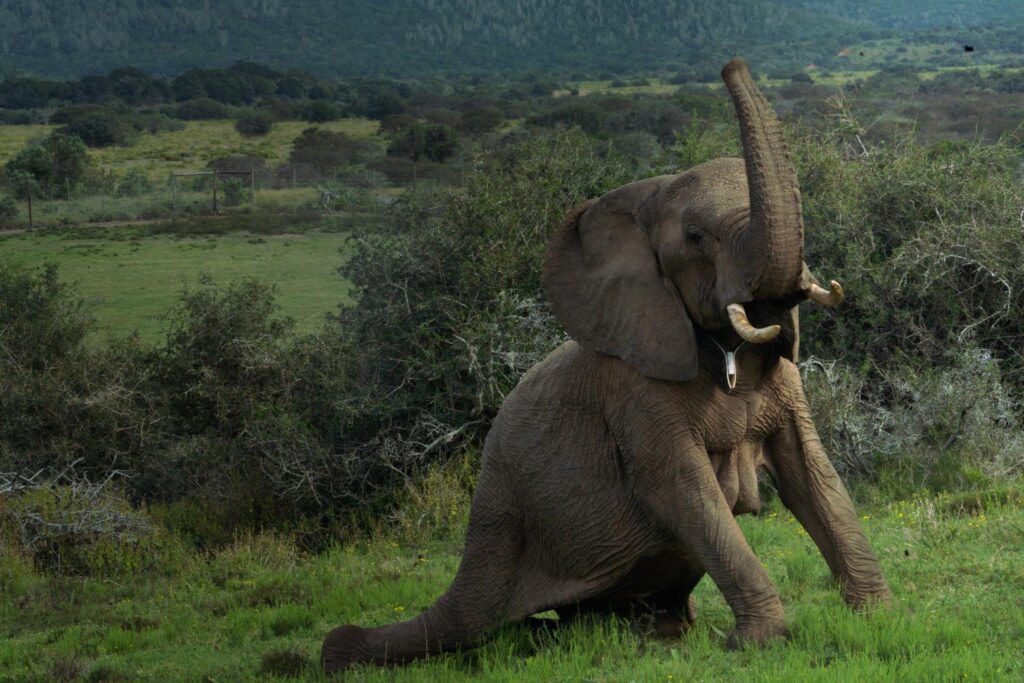
This paper heavily highlights the true value of landscape connectivity for elephant well-being. Providing these majestic animals with space and freedom is not just an ecological preference; it is an absolute necessity that directly impacts their mental and physical health, leading to better, more informed wildlife management.
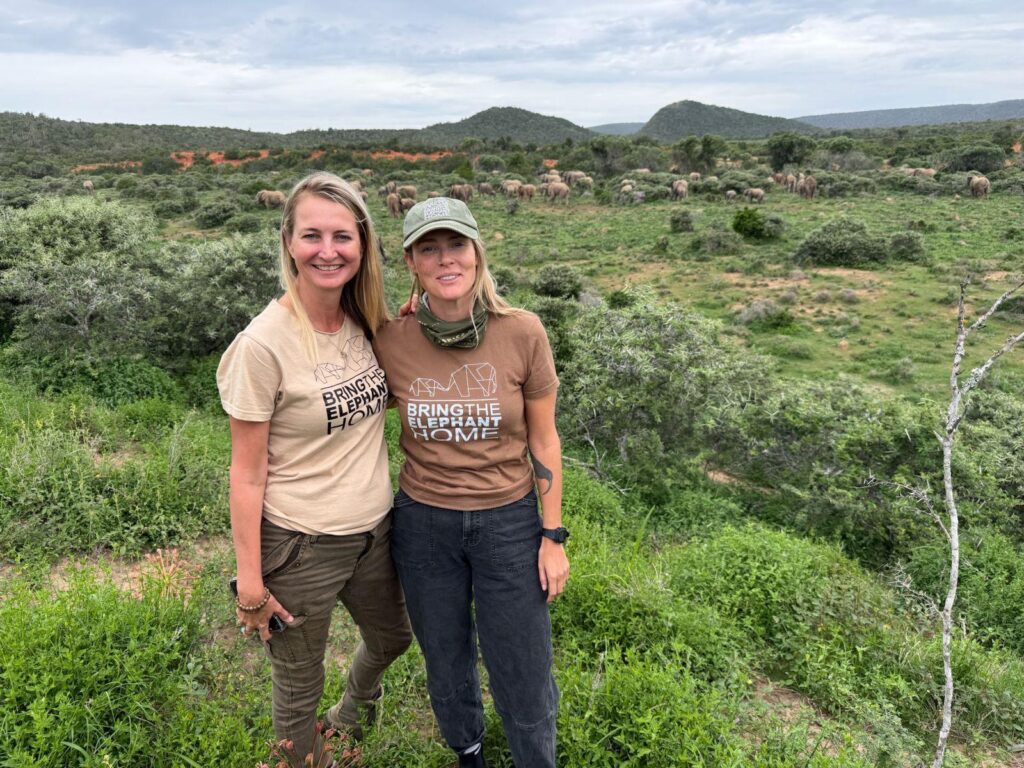
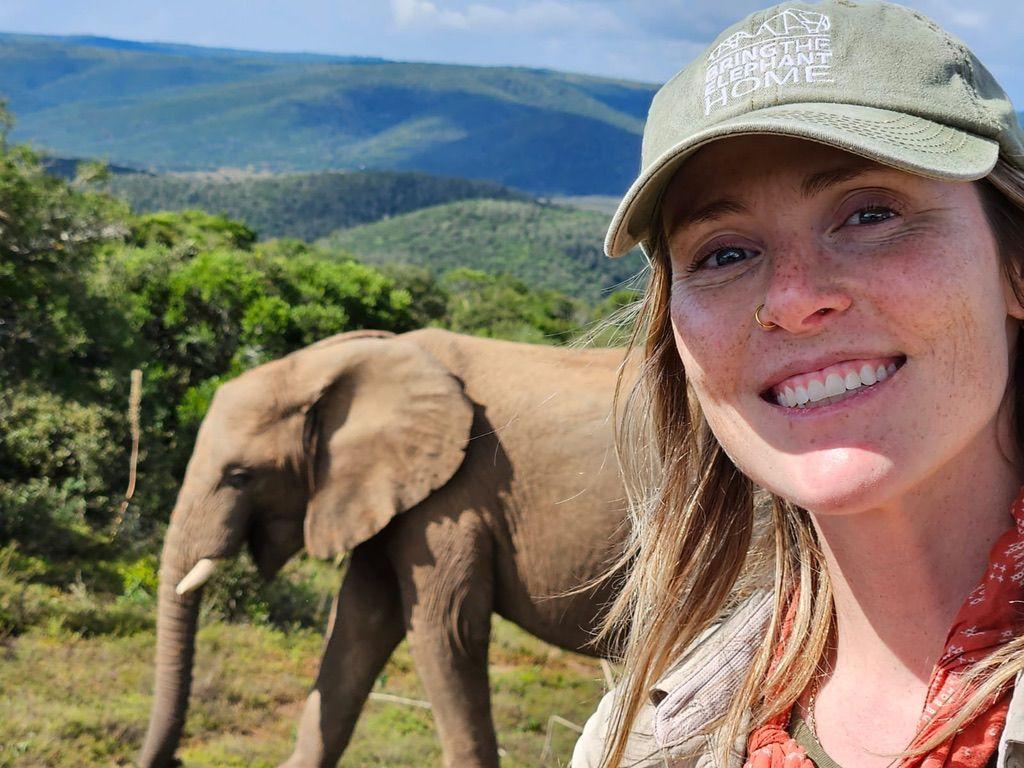
On behalf of the entire Bring The Elephant Home team, congratulations to Brooke Friswold on this incredible milestone and your vital contribution to a better future for elephants!
Read the Full Scientific Paper
Want to dive into the data, maps, and detailed findings of this study? You can read the full peer-reviewed paper for free online by clicking this link.