Finding Purpose in South Africa: A Blog By Karen Couchon
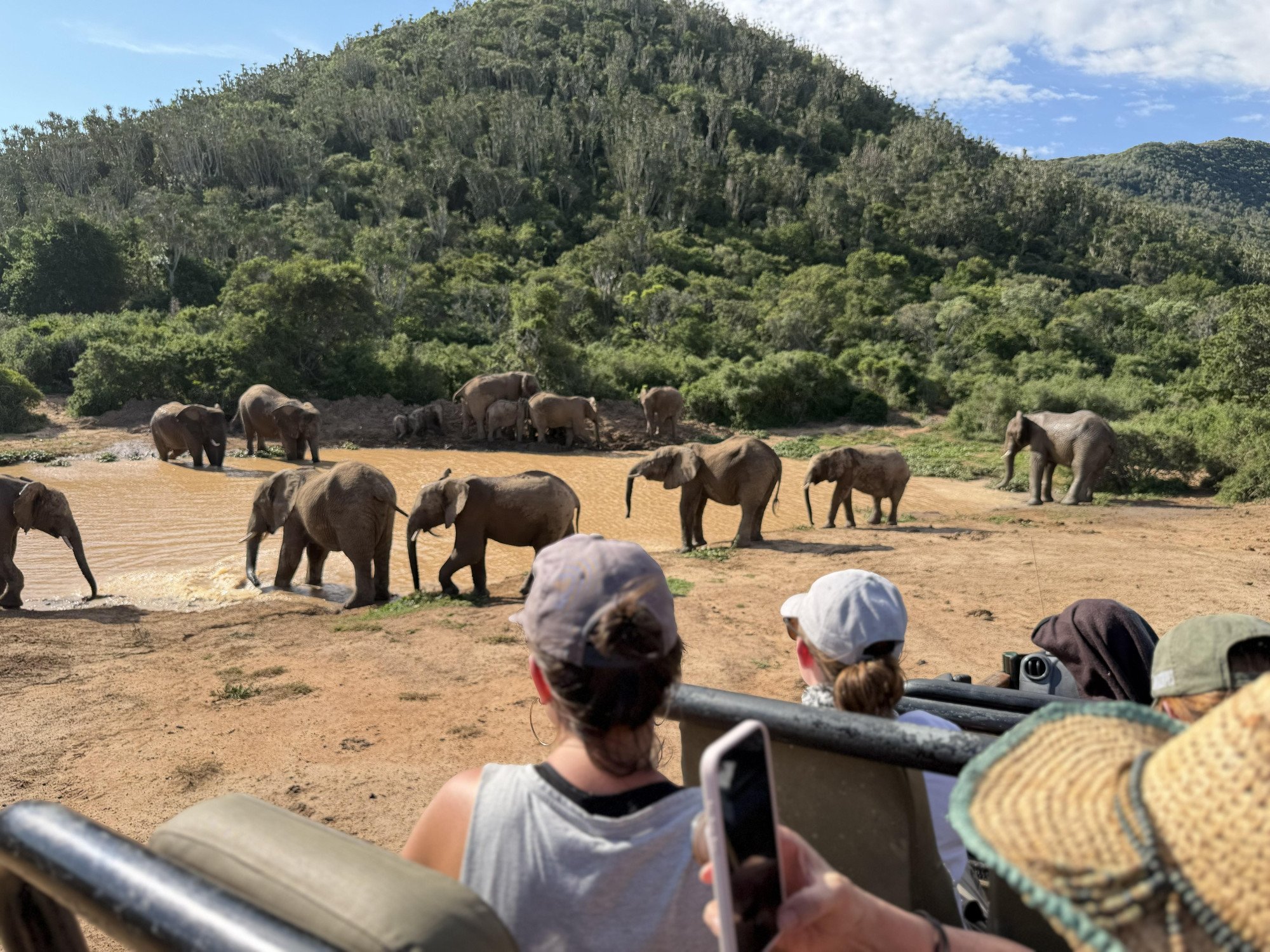
After a successful 10 days in the South-African Kariega Game Reserve, volunteers share their experiences. They had the unique opportunity to see what it is like to observe wild African elephants as research-assistents. In collaboration with the Kariega Foundation and Bring The Elephant Home (BTEH), they were able to contribute to nature conservation and could experience these impressive animals up close. Below is a blog written by volunteer Karen Couchon in which she shares her adventures.
The Call to Conservation
They say your heart knows before your mind does. I was first introduced to the BTEH volunteer program during a workplace seminar focused on conservation awareness and fundraising. As the mission was shared, I felt a profound internal shift. Moved to tears, I knew in that instant that I wanted to join the next volunteer program to be of service and contribute to the project.
The elephant has always been my favorite animal, and the chance to contribute to their survival was a dream I didn’t know was possible until that moment. After months of anticipation because the journey truly begins the moment you decide to go, I found myself traveling to Africa for the first time, fueled by a deep desire to support elephant conservation.
The First Herd
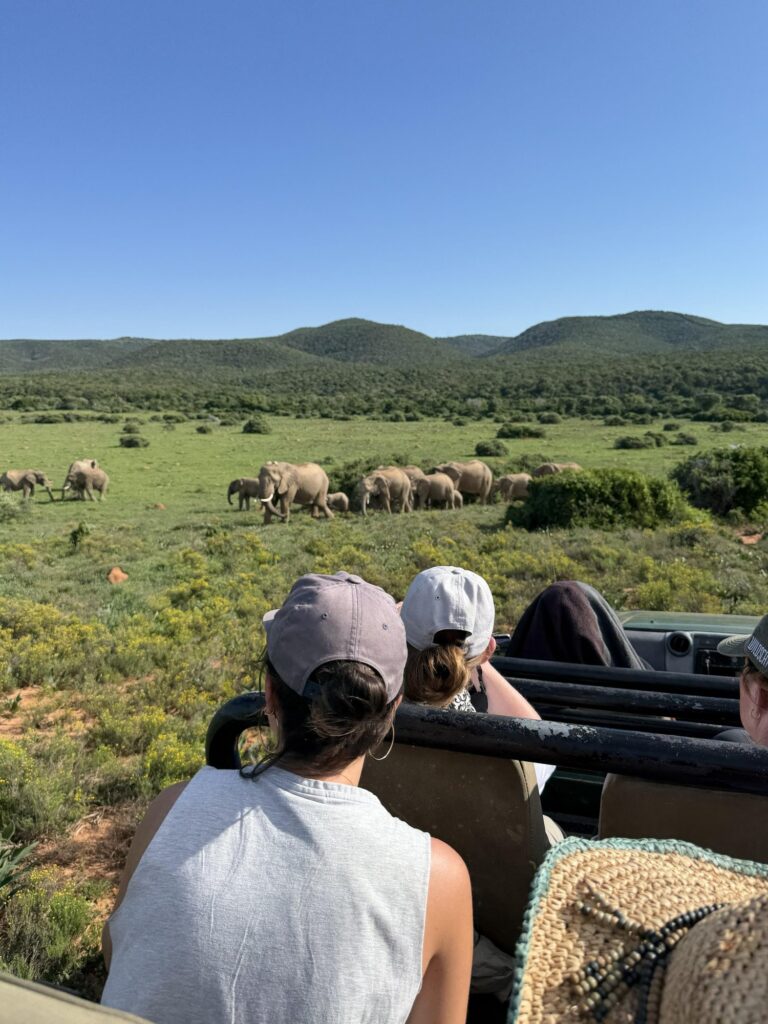
Arriving at the conservation center felt like a cosmic “welcome home.” One of the herds was grazing near the center upon our arrival, a sight that filled me with immediate optimism. Our first game drive into the bush, seeing these magnificent creatures living in their natural habitat, was a moment of pure awe and unfiltered joy.
From Heart to Head
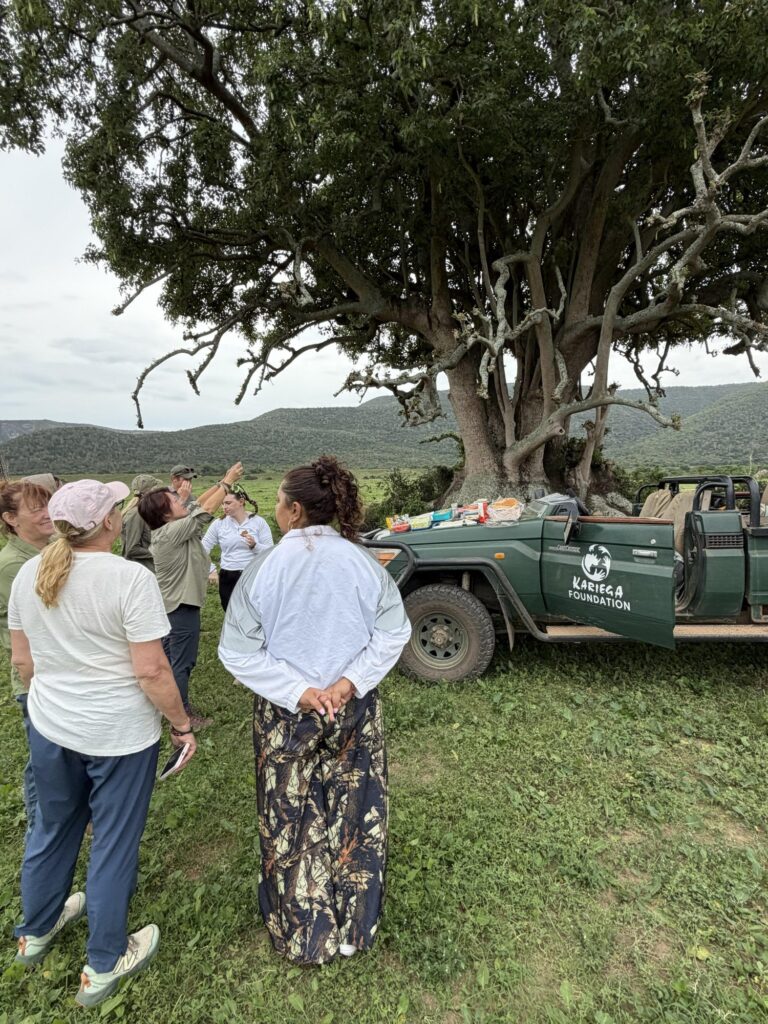
Before I could truly be of service to the BTEH organization, I had to transition from a passionate observer to a student of the species. “Elephant School” provided this bridge, blending the delight of learning with the responsibility of aligning my skills with the mission of conservation. While there was a simple, childlike joy in saying I was attending “Elephant School,” the curriculum served a serious purpose: training me in individual identification, demographic classification, and the ethology required for field data collection.
Trunks and Transitions
As the week progressed, each drive through the reserve surpassed the last. It was a privilege to witness multiple herds roaming together in peace, allowing me to observe their fascinating hierarchical behaviours first hand. One of the most unforgettable moments was watching the elephants swim and play at the watering hole for hours. I watched, smiling from ear to ear, as one group exited the water only to be seamlessly replaced by another; a beautiful scene of community that I will never forget. As an added bonus, we were treated to sightings of several other wildlife species throughout our journey.
Finding Fulfillment in Fieldwork
Collaborating alongside Antoinette and Brooke, two very dedicated research scientists as well as fellow volunteers, profoundly enriched my experience. Sharing this journey with such knowledgeable and passionate individuals allowed me to see the mission through their eyes and deepened my own commitment to the cause. I also found a unique sense of fulfilment in integrating my passion for photography, using my camera to take photos of elephants that assisted in their identification.
Spending consecutive days in the reserve changed my perception of time. In the presence of elephants, the fast-paced “human world” fades away. Watching them, I realized that for elephants, community is a shared way of being that values interdependence over individual achievement. They operate at a slow, steady, and intentional rhythm. They truly “enjoy the journey” rather than just focusing on the destination.
Final Thoughts: Staying Present
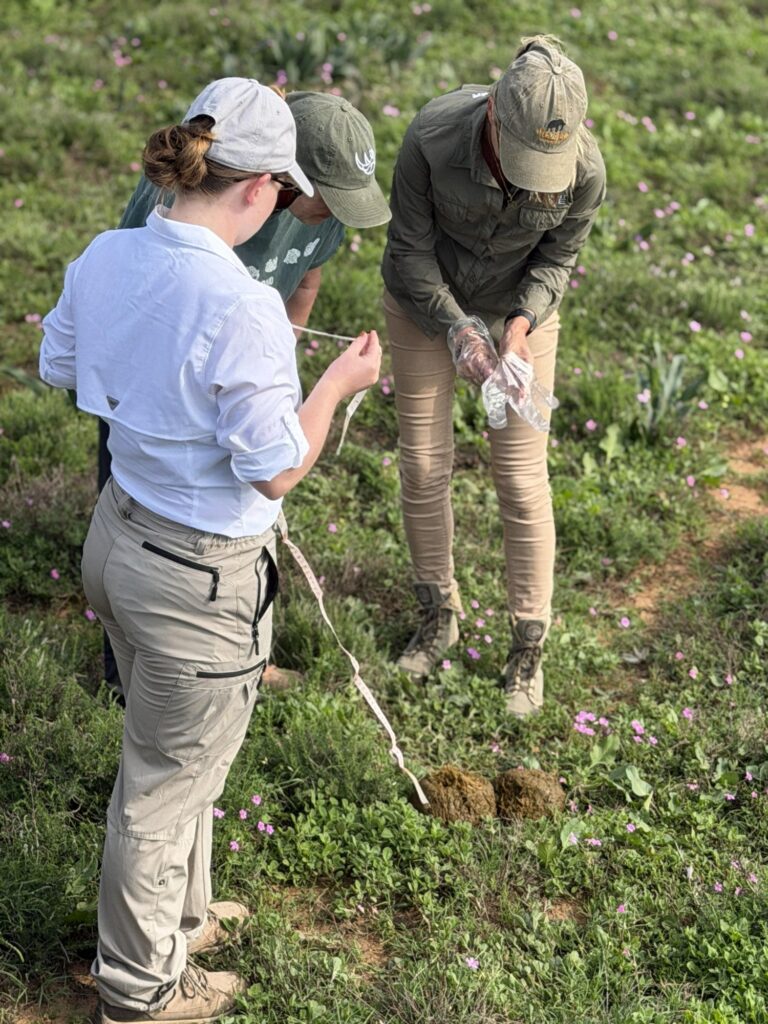
This experience taught me the true meaning of Enjoy the Journey. By practicing being present in the bush, I learned to notice my own emotions and stay anchored in the current moment. Whether we were observing a herd or collecting a dung sample, the “work” felt like a gift. Part of this journey is recognizing the honor of sharing our planet with such intentional, sentient beings. As a keystone species, elephants are the architects of their environment; therefore, a steadfast commitment to their conservation is not just an ideal, it is the essential foundation for a future where humans and elephants thrive in harmony.
I returned from Africa not just with photos, but with a renewed sense of how to move through the world: slow, steady, and present.
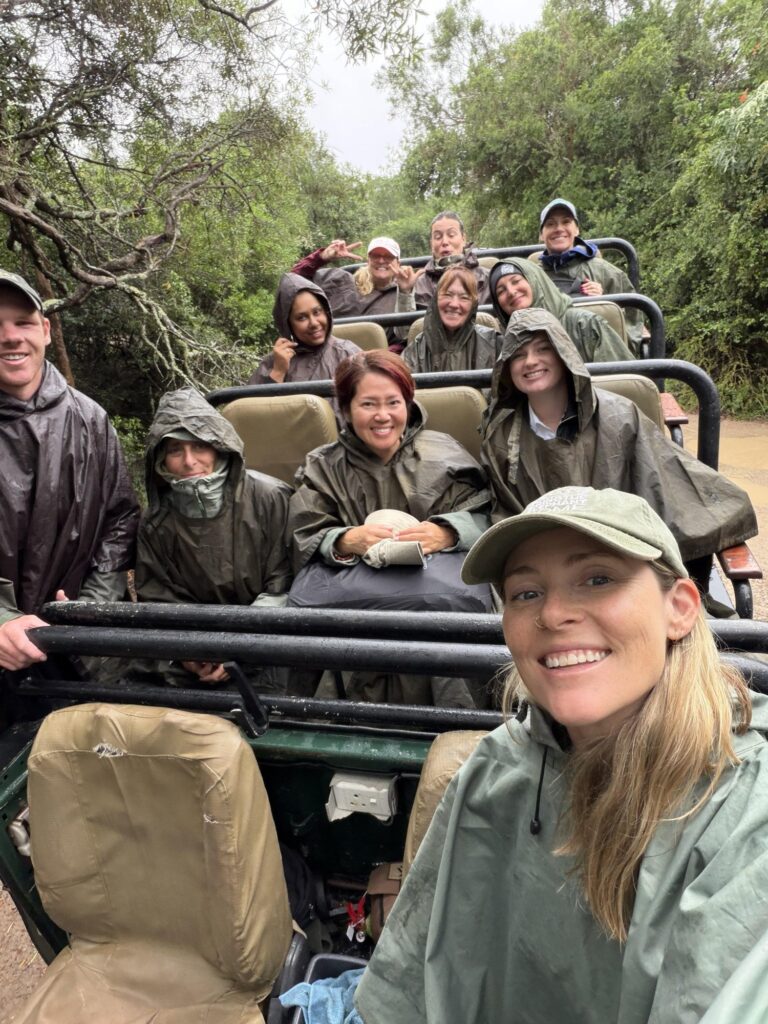
Thank you, Karen!
A big thank you to Karen Couchon for writing and sharing her wonderful experiences at the Kariega Game Reserve. Thanks to her personal report, we can get a unique insight into the collaboration between the Kariega Foundation and Bring The Elephant Home.
‹ Back to previous page